

When you realize there’s a misunderstanding, take a deep breath and pause. Say something like, “I hear you saying…”, and reflect their perspective. Use “I” statements to express your feelings without blame, like, “I feel overwhelmed.” Ask open-ended questions to understand better, such as, “Can you explain what you meant by that?” Summarize key points to guarantee you’re on the same page. These strategies can transform conflict into understanding, and there’s more to explore to enhance your communication skills.
Key Takeaways
- Begin with active listening: “I hear you saying…” to confirm understanding and show engagement in the conversation.
- Use “I” statements to express your feelings without blaming, such as, “I felt confused when you said that.”
- Ask open-ended questions like, “Can you explain what you meant by that?” to clarify intentions and thoughts.
- Acknowledge emotions: “I’m feeling a bit overwhelmed right now,” to foster empathy and reduce defensiveness.
- Summarize key points: “So, if I understand correctly, you feel…” to ensure both parties are aligned and can move forward.

Misunderstandings can escalate quickly, especially when emotions run high. You might find yourself in a heated discussion, feeling frustrated or misunderstood. In moments like these, it’s essential to employ effective communication strategies that can help defuse tension and clarify intentions. One of the most powerful tools at your disposal is active listening. By genuinely focusing on what the other person is saying, you not only show respect but also create an environment where both parties feel heard.
When you sense a misunderstanding brewing, take a deep breath and pause. Instead of immediately reacting, try to reflect on the other person’s perspective. Use phrases like, “I hear you saying…” or “It sounds like you feel…” to demonstrate that you’re actively processing their words. This approach not only reassures them that you’re paying attention but also gives you a clearer understanding of their emotions and thoughts. Recognizing emotional awareness can help you respond more thoughtfully and reduce defensiveness. Additionally, understanding the importance of effective communication can significantly improve your interactions and prevent conflicts from escalating. Developing a sense of mindfulness can also help you stay present and calm during tense exchanges, making it easier to navigate misunderstandings.
When misunderstandings arise, pause and reflect on the other person’s perspective to foster clarity and connection.
If you notice your emotions starting to bubble up, it’s okay to acknowledge that too. You might say, “I’m feeling a bit overwhelmed right now, but I want to understand your point.” This honesty can help to lower the stakes and remind both of you that the goal is to resolve the misunderstanding, not to win an argument. Remember, it’s about connection, not competition. Developing self-awareness is key to managing your reactions with kindness and clarity.
Once you’ve established a foundation of active listening, it’s your turn to express your feelings. Use “I” statements, like “I feel confused when…” to communicate your perspective without placing blame. This way, you keep the focus on your feelings rather than accusing the other person, which can lead to defensiveness. By doing this, you encourage them to engage with you rather than shut down.
Another effective communication strategy involves asking open-ended questions. These questions invite the other person to elaborate on their thoughts and feelings, providing you with more context. For instance, ask, “Can you explain what you meant by that?” This not only clarifies misunderstandings but also fosters a collaborative atmosphere where both of you can work together toward a resolution.
Finally, don’t forget to summarize what you’ve heard. Once both of you have shared your viewpoints, recap the key points. This reinforces that you’re on the same page and helps to prevent future misunderstandings. Remember, effective communication isn’t just about talking; it’s also about listening and responding with empathy. Active listening is a crucial element that can transform conflicts into opportunities for growth and understanding. By employing these strategies, you can turn misunderstandings into chances to strengthen your connection and rebuild trust.

Active Listening Techniques: 30 Practical Tools to Hone Your Communication Skills
As an affiliate, we earn on qualifying purchases.
As an affiliate, we earn on qualifying purchases.
Frequently Asked Questions
How Do Cultural Differences Affect Misunderstandings?
Cultural differences can lead to misunderstandings because they shape your communication styles and social expectations. When you encounter different cultural norms, you might misinterpret contextual cues or body language. For example, a straightforward approach in one culture could be seen as rude in another. By recognizing these variations, you can better navigate conversations, avoid assumptions, and foster clearer communication, ensuring you understand the intentions behind the words spoken.
What Are Common Triggers for Misunderstandings in Conversations?
Common triggers for misunderstandings in conversations include ambiguous language, where words can have multiple meanings. Emotional triggers can cloud your judgment, making it hard to see differing perspectives. You might rely too much on context clues that aren’t clear. Assumption making can lead you down the wrong path, and tone variations can change how your message is received. Stay aware of these factors to improve clarity and connection in your conversations.
Can Misunderstandings Be Avoided Altogether?
You can’t completely avoid misunderstandings, but you can reduce them. By identifying miscommunication patterns, you’ll recognize when things start to go awry. Using clarification techniques, like asking open-ended questions or summarizing what you’ve heard, helps guarantee you’re on the same page. Practicing active listening and being aware of your tone can also make a big difference. So, stay engaged, stay curious, and you’ll navigate conversations more smoothly.
How Can Body Language Impact Communication?
Body language greatly impacts communication by conveying nonverbal cues that can enhance or confuse your message. When you maintain eye contact, it shows engagement, while facial expressions reveal your true feelings. Posture shifts can indicate your confidence or discomfort. If your body language contradicts your words, it can lead to misunderstandings. To communicate effectively, make certain your nonverbal signals align with what you’re saying, fostering clearer connections with others.
What Role Does Active Listening Play in Resolving Conflict?
Active listening is essential in resolving conflict because it enhances your emotional intelligence. By truly hearing the other person’s perspective, you show empathy and understanding. Reflective feedback helps clarify their feelings and thoughts, allowing you to respond thoughtfully. When you engage in this way, you create a safe space for open dialogue, reducing tension and fostering collaboration. Ultimately, active listening transforms misunderstandings into opportunities for connection and resolution.

metaFox Emotions Compass – Nonviolent Communication & Emotional Intelligence Tool | Feelings and Emotions Wheel for Adults and Kids | Use as Feelings Chart for Coaching, Therapy, and Social Work
✔ Boost Emotional Understanding: Our easy-to-read feelings and emotions chart helps you or your clients clearly identify and…
As an affiliate, we earn on qualifying purchases.
As an affiliate, we earn on qualifying purchases.
Conclusion
In the heat of the moment, misunderstandings can feel like a storm brewing. But remember, clear communication is your lifeline. When you sense tension, take a breath and reach out with kindness. Ask questions, listen actively, and share your perspective. It’s all about finding common ground and bridging that gap. By doing so, you’ll not only resolve conflicts but also strengthen your connection. So, keep the lines of communication open, and don’t let misunderstandings rain on your parade.
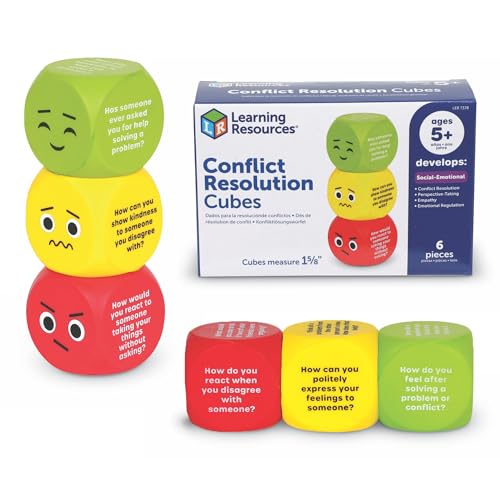
Learning Resources Conflict Resolution Cubes – Conversation Starter Cubes, Therapy Games for Kids, Social Skills Cards, Social Emotional Learning Games, Table Questions for Family Dinner
LEARNING CONVERSATION CUBES: Kids roll colorful cubes and explore 30 prompts while building communication skills; perfect for conversation…
As an affiliate, we earn on qualifying purchases.
As an affiliate, we earn on qualifying purchases.
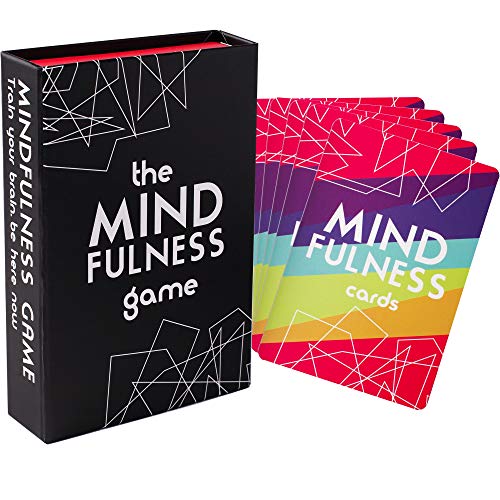
Mindfulness Cards – Conversation Cards for Kids and Therapy Games for Teens, Kids and Adults. Mindfulness Game for Better Communication and Social Skills – Great Teacher Gifts or Homeschool Essentials
GREAT TEACHER GIFTS & HOMESCHOOL ESSENTIALS – A meaningful classroom resource that doubles as a fun mindfulness activity….
As an affiliate, we earn on qualifying purchases.
As an affiliate, we earn on qualifying purchases.