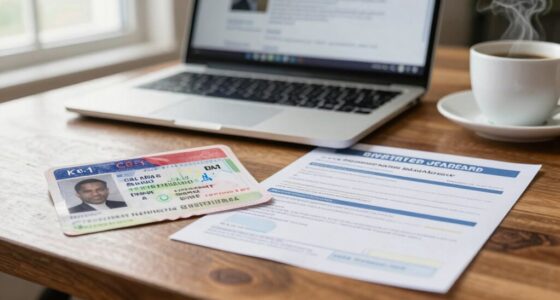
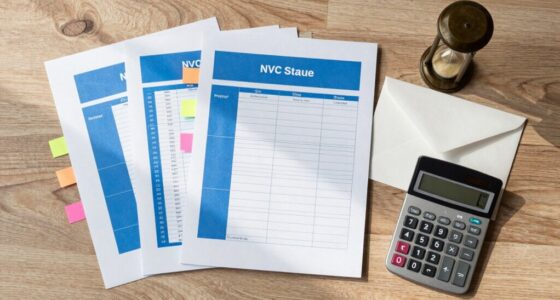
When marrying a Filipina, you need a marriage license from the local civil registrar in the Philippines, requiring documents like your passport, birth certificate, and CENOMAR, along with a Certificate of Legal Capacity for foreigners. In contrast, in the U.S., you’ll obtain a marriage license from the county clerk, with proof of identity but usually no special foreign requirements. The legal processes are quite different, and understanding these differences assists in making sure your marriage goes smoothly—more details can help you better prepare.

Get gifts for the two of you delivered free with Prime
- Fast, free delivery on millions of items
- Prime Video, Amazon Music and more included
- Member-only deals all year
Key Takeaways
- The Philippines requires a marriage license, documents like CENOMAR, and a Certificate of Legal Capacity for foreigners, unlike the U.S. which mainly needs proof of identity.
- Filipino marriages often involve religious and cultural rituals, while U.S. marriages are more flexible with civil or religious ceremonies.
- The Philippines emphasizes community and family-centered ceremonies, including rituals like the cord and veil, whereas the U.S. focuses on personal preferences.
- Legal processes in the Philippines are more bureaucratic, requiring local approval and specific documents; U.S. processes are generally simpler and more streamlined.
- Understanding and respecting Filipino traditions and legal requirements ensures smoother marriage proceedings in the Philippines versus the more straightforward U.S. system.
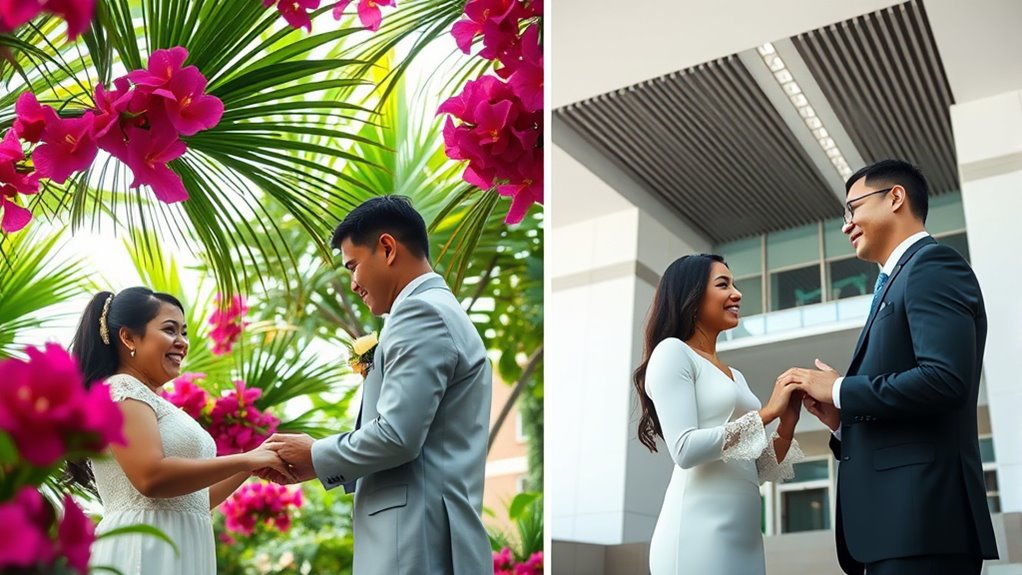
Getting married to a Filipina involves maneuvering different legal systems, whether you’re tying the knot in the Philippines or in the United States. But beyond the legal paperwork, you’ll notice cultural differences that shape the marriage ceremony itself. In the Philippines, the marriage ceremony often reflects deep-rooted traditions, blending Catholic rituals with local customs. Expect a more formal, religious-based ceremony that emphasizes community and family involvement. Many Filipino weddings feature a church service, complete with prayers, vows, and symbolic rituals like the cord and veil, symbolizing unity and protection. These traditions highlight the importance placed on faith and family ties, which are central to Filipino culture. If you’re planning to marry in the Philippines, you’ll need to understand and respect these customs, as they can be quite different from typical American ceremonies, which often lean towards a more secular or personalized approach.
Filipino weddings blend Catholic rituals with local customs, emphasizing faith, family, and community involvement.
When marrying in the U.S., the ceremony can be more flexible, often tailored to your preferences. You might choose a simple civil ceremony at a courthouse or a more elaborate wedding in a church or outdoor setting. American weddings tend to focus on individual expression, and while religious ceremonies are common, they’re not a legal requirement. The cultural differences influence how you prepare for the ceremony. In the Philippines, attending pre-wedding events like the “pamamanhikan” (family meeting) can be essential, helping to build bonds between families. In contrast, American weddings might involve bachelor/bachelorette parties, bridal showers, and rehearsal dinners, which focus more on the couple’s friends and personal celebrations.
Legal requirements for marriage also vary based on where you’re getting married. In the Philippines, you’ll need a marriage license issued by the local civil registrar, along with a Certificate of Legal Capacity to Contract Marriage if you’re a foreigner. The process involves submitting various documents, including your passport, birth certificate, and, often, a CENOMAR (Certificate of No Marriage) for the Filipino partner. In the U.S., you’ll generally need a marriage license from the county clerk’s office, which requires proof of identity and, in some states, a waiting period.
While the legal steps differ, understanding the cultural context enhances your experience. Respect for Filipino traditions during the ceremony and being aware of the legal paperwork needed can smooth your journey to matrimony. Whether celebrating in a church in the Philippines or a courthouse in the U.S., recognizing these differences ensures your marriage respects both legal standards and cultural values.
Popular right now

Dyson Ball Animal Total Clean Upright Vacuum

Roborock RockNeo Q110H Wire-Free Robot Lawn Mower

Roborock Robot Vacuum and Mop with LiDAR Navigation and 10,000 Pa Suction
As an affiliate, we earn on qualifying purchases.
Frequently Asked Questions
Can a Foreigner Marry a Filipina Without Visiting the Philippines?
Yes, you can marry a Filipina without visiting the Philippines, but you’ll need to follow specific procedures. You must coordinate with the Philippine embassy or consulate for marriage registration and complete requirements like affidavits and documents. Some couples opt for a civil wedding ceremony in the Philippines, even if they’re overseas. Keep in mind, legal paperwork and proper registration are essential for your marriage to be recognized both locally and internationally.
Are Prenuptial Agreements Recognized in Both Countries?
Prenuptial agreements are recognized in both countries, but legal recognition varies. In the U.S., prenups are generally enforceable if they meet state laws’ requirements, like full disclosure and voluntary agreement. In the Philippines, prenups are also valid if properly drafted and notarized. You should verify your prenup complies with each country’s specific legal standards, possibly consulting local attorneys to confirm enforceability and avoid future disputes.
How Long Does the Marriage License Process Typically Take?
Back in the day, marriage license processing can vary. In the Philippines, it typically takes 10 to 15 days for the marriage license to be issued, provided all documents are complete. In the U.S., it generally takes 1 to 3 weeks, depending on the state. Once approved, the marriage certificate is issued shortly after the ceremony. You should check local requirements to guarantee a smooth process.
What Are the Residency Requirements for Marriage in Each Country?
You need to meet residency requirements to marry in both countries. In the U.S., most states require at least one person to be a resident or provide proof of legal presence, and the marriage license process typically takes a few days to weeks. In the Philippines, you must be physically present for a certain period, usually at least 10 days if you’re a foreigner, and the marriage license process involves specific documentation and waiting periods.
Is a Divorce Possible for Foreigners Married to Filipinas in the Philippines?
Yes, you can get a divorce if you’re a foreigner married to a Filipina, but it’s complicated. The Philippines doesn’t recognize divorce for Filipino citizens, but international divorce laws may apply if your country permits it. Your best bet is to check your country’s divorce laws and guarantee your divorce is recognized internationally. It’s a legal maze, but with expert help, you can navigate it successfully.
Conclusion
Think of marriage as a bridge connecting two worlds. Whether you’re crossing in the Philippines or the U.S., understanding the legal requirements guarantees your journey is smooth and secure. By knowing the rules, you prevent surprises and build a strong foundation for your future together. So, approach this adventure with prepared steps, and soon, you’ll be standing on a sturdy bridge of love, ready to embrace your new chapter with confidence and joy.