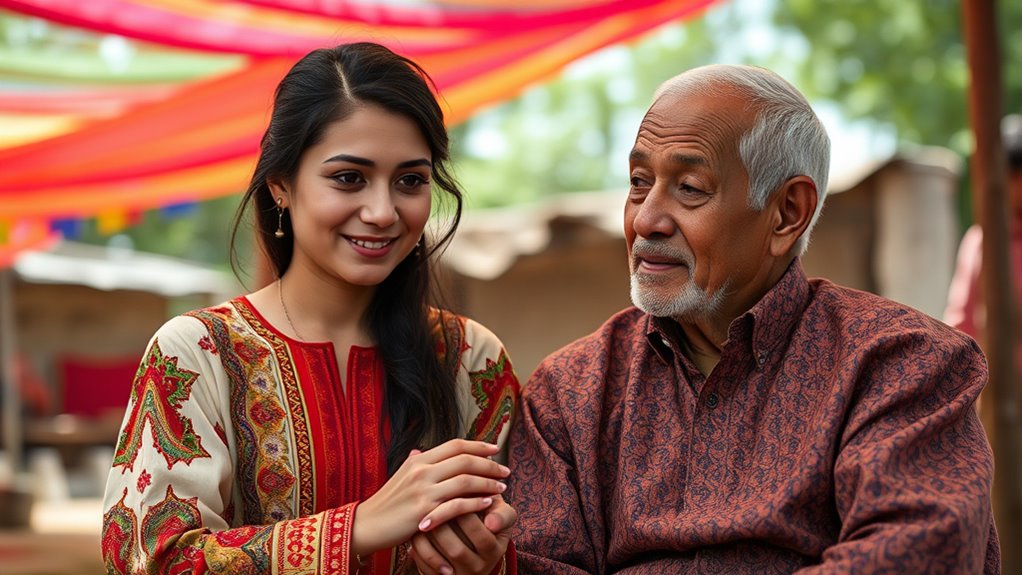

When you consider the terms “fiancée” and “wife,” it’s important to remember their cultural significance and legal differences. A fiancée is someone engaged but not yet married, symbolizing a transitional phase, while a wife indicates a completed, socially recognized union with legal rights. Respecting these distinctions shows cultural sensitivity and helps avoid misunderstandings. To properly navigate cross-cultural relationships and honor traditions, you’ll find that understanding these terms’ deeper meanings and implications will guide you through more respectful engagement as you continue exploring.
Key Takeaways
- Using correct terminology shows respect for cultural differences and individual identity in cross-cultural relationships.
- “Fiancée” signifies engagement, often with less legal or social recognition than “wife,” which indicates a completed union.
- Legal rights and social status vary; understanding local laws prevents misunderstandings in international marriages.
- Cultural practices may influence how the transition from fiancée to wife is recognized and celebrated.
- Awareness of terminology fosters clarity, respect, and trust in cross-cultural engagement and communication.

Have you ever wondered what truly distinguishes a fiancée from a wife? When you’re steering cross-cultural engagements, understanding the subtle yet significant differences in terminology and respect becomes essential. In many cultures, the words used to describe a woman’s marital status carry deep meaning, shaped by tradition, legal systems, and societal expectations. Recognizing these differences isn’t just about language; it’s about honoring the cultural context and respecting the individuals involved.
Understanding cultural terms for women’s marital status fosters respect and clarity in cross-cultural relationships.
In some societies, the term “fiancée” is used precisely to denote someone who is engaged but not yet married, emphasizing a transitional phase filled with anticipation and promise. However, in other cultures, the same term might carry more weight, signifying a formal commitment recognized both socially and legally. Conversely, the term “wife” often implies a completed union, with social recognition, legal rights, and responsibilities firmly in place. These distinctions are essential, especially when you consider legal implications, which can vary dramatically across borders. For instance, in certain countries, marriage confers specific rights—property ownership, inheritance, or parental authority—that are not automatically granted to a fiancée. Failing to grasp these nuances can lead to misunderstandings or even legal complications if you’re involved in international relationships or business.
Cultural differences influence not only how these terms are perceived but also how the roles of a fiancée and wife are viewed within communities. In some cultures, the transition from fiancée to wife is marked by elaborate ceremonies and social acknowledgment, emphasizing the importance of societal validation. In others, the focus might be on legal documentation or personal commitment rather than public rituals. As someone involved in cross-cultural engagements, you need to approach these distinctions with sensitivity. Recognizing that a woman’s status is often intertwined with cultural identity helps you show respect and avoid unintentional offenses. Additionally, understanding the legal implications associated with these statuses ensures informed and respectful interactions.
Legal implications are equally important. In many jurisdictions, the legal rights and responsibilities associated with being a wife are clearly defined, impacting everything from healthcare decisions to property rights. Meanwhile, a fiancée might not enjoy those same legal protections. If you’re planning a future together, understanding these differences ensures you’re aware of your rights and obligations. It’s essential to familiarize yourself with local laws and customs, especially when marriage is involved across borders. Respecting the terminology used in different cultures demonstrates your awareness and consideration for your partner’s background, fostering mutual respect. Ultimately, knowing the distinction between fiancée and wife—and the context behind these terms—helps you steer cross-cultural relationships with sensitivity, clarity, and respect.
international engagement and wedding planning books
As an affiliate, we earn on qualifying purchases.
As an affiliate, we earn on qualifying purchases.
Frequently Asked Questions
How Do Different Cultures Define the Transition From Fiancée to Wife?
In many cultures, the progression from fiancée to wife is marked by specific cultural rituals and societal expectations. You might participate in ceremonies that symbolize unity and commitment, like traditional wedding rituals or family blessings. Societal expectations often define this shift as a formal acknowledgment of partnership, influencing how communities perceive your status. Embracing these customs shows respect for cultural norms and honors the significance of this important life milestone.
Are There Legal Differences Between Being a Fiancée and a Wife Globally?
You might think being a fiancée vs. a wife is just about titles, but legally, they’re worlds apart. As a wife, you gain legal recognition and marriage rights—think property, inheritance, and decision-making authority. A fiancée typically has no legal protections or obligations. This difference can vary globally, so understanding local laws is vital to protect yourself and guarantee your rights are secure in any country.
How Should I Address My Partner in Multicultural Families?
You should use respectful relationship titles that align with your partner’s cultural naming conventions. Show genuine respect by asking how they prefer to be addressed, whether by a local term, a formal title, or their name. This exemplifies your cultural sensitivity and appreciation. Adjust your language as needed, and always prioritize your partner’s comfort, making sure your address reflects respect and understanding of their background.
What Are the Common Misunderstandings About Engagement and Marriage Terms?
You might think “fiancée” and “wife” are just fancy words, but cultural misinterpretations and language barriers often turn them into international misunderstandings. Some cultures see engagement as a lifelong commitment, while others view marriage as a simple legal step. Assuming everyone shares your definition can lead to confusion, hurt feelings, and awkward family dinners. Clarify terms early, respect different traditions, and avoid turning love into a linguistic minefield.
How Can Couples Navigate Cultural Sensitivities Regarding Relationship Terminology?
You can navigate cultural language sensitivities by openly discussing each other’s expectations and understanding their cultural significance. Practice respectful communication by asking questions and listening carefully. Be mindful of terms like fiancée or wife, recognizing their importance in different cultures. Show genuine interest in your partner’s background, and agree on terminology that feels respectful and comfortable for both of you. This approach fosters mutual respect and strengthens your relationship.
cultural sensitivity relationship guide
As an affiliate, we earn on qualifying purchases.
As an affiliate, we earn on qualifying purchases.
Conclusion
Guiding the words “fiancée” and “wife” is like choosing the right brushstrokes to paint a shared future. With respect and understanding, you build a vibrant tapestry of love that honors each culture’s colors. Remember, language is the bridge that connects hearts across borders. When you approach these terms with care, you craft a masterpiece of commitment—where every word sings the melody of mutual respect and genuine connection.
marriage legal rights international
As an affiliate, we earn on qualifying purchases.
As an affiliate, we earn on qualifying purchases.
fiancée and wife terminology guide
As an affiliate, we earn on qualifying purchases.
As an affiliate, we earn on qualifying purchases.