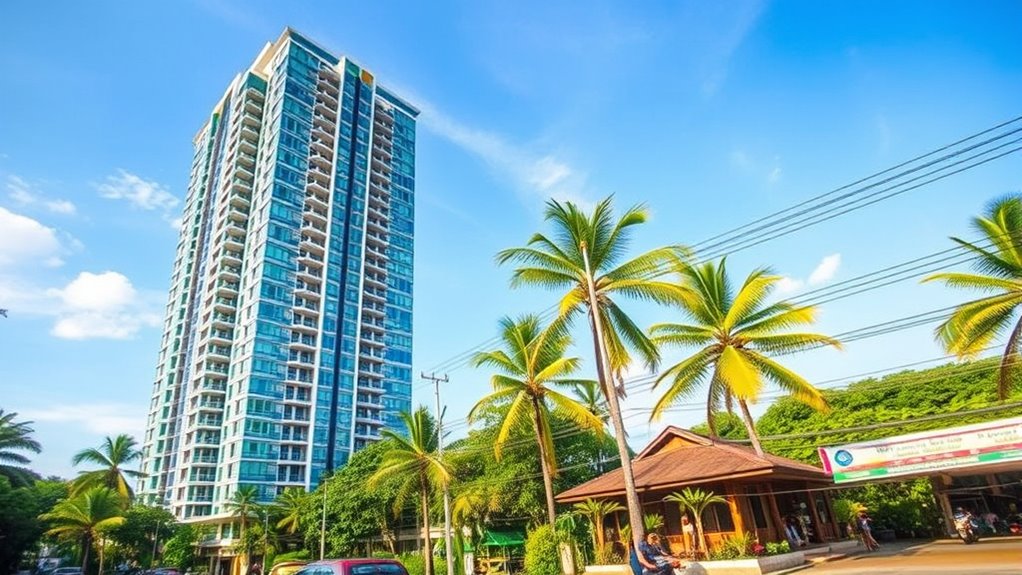

Choosing between renting and buying in the Philippines depends on your finances, future plans, and legal considerations. Renting offers lower upfront costs and flexibility but doesn’t build equity. Buying involves higher initial expenses, ongoing property taxes, and legal procedures, especially for foreigners who face restrictions. Carefully weigh the long-term benefits against short-term costs. To make an informed decision, explore more about legal requirements, taxes, and restrictions that could impact your choice.

Get gifts for the two of you delivered free with Prime
- Fast, free delivery on millions of items
- Prime Video, Amazon Music and more included
- Member-only deals all year
Key Takeaways
- Renting offers lower upfront costs and greater flexibility, ideal for short-term stays or uncertain long-term plans.
- Buying involves significant initial expenses, including taxes and legal fees, but builds long-term asset value.
- Property taxes and ongoing maintenance are responsibilities of owners, whereas renters avoid these costs.
- Legal restrictions for foreigners may limit purchasing options; renting can bypass these limitations.
- Consider your financial stability, long-term goals, and legal factors when choosing between renting and buying.

Deciding whether to rent or buy property in the Philippines depends on your financial situation, lifestyle, and long-term goals. If you’re contemplating a purchase, you need to understand the associated property taxes and legal procedures. Property taxes in the Philippines are an ongoing cost that can influence your decision. As a property owner, you’ll pay a real property tax based on the assessed value of your property, which can vary depending on the location and type of property. These taxes typically range from 1% to 2% of the assessed value annually, and they’re usually payable to the local government. Don’t forget that if you’re buying a property, you must also consider other costs like documentary stamp taxes, transfer taxes, registration fees, and notarial fees. These upfront expenses can add up, so it’s crucial to factor them into your budget. Additionally, understanding mammography guidelines can be helpful if health considerations influence your decision to settle in a particular area where access to medical services is important.
Legal procedures play a significant role in property ownership in the Philippines. The process involves several steps, starting with verifying the title and ensuring the property has clear ownership and no encumbrances. You’ll need to secure a Certificate of Title from the Registry of Deeds, which confirms your ownership rights. Completing the transfer of ownership also requires compliance with various legal requirements, including paying the necessary taxes and fees, and registering the property in your name. Foreigners face restrictions when purchasing land—usually, they can only acquire condominiums or lease land for up to 50 years, renewable once. This makes understanding the legal landscape critical to avoid potential pitfalls. Engaging a reliable lawyer or legal adviser can help streamline the process and ensure you follow all legal procedures correctly.
On the other hand, renting offers flexibility and lower upfront costs. You won’t be responsible for property taxes or legal procedures related to ownership, which reduces your immediate financial burden. Renting also spares you from the hassle of maintaining the property or dealing with legal disputes over titles. However, it means you’re subject to lease terms, rent increases, and the possibility of losing your residence if the landlord decides to sell or repurpose the property.
Popular right now

Apple AirPods Pro 3 Wireless Earbuds with Active Noise Cancellation

Ninja Flip Toaster Oven and Air Fryer, 8-in-1, Stainless Steel, SP151

Ninja Luxe Café Mini Plus Espresso and Drip Coffee Machine with AutoFroth, Stainless Steel, ES351
As an affiliate, we earn on qualifying purchases.
Frequently Asked Questions
How Do Property Taxes Differ Between Renting and Buying?
When considering tax implications, buying property usually means you face annual property taxes based on its assessed value, adding to your ownership costs. Renting, on the other hand, typically doesn’t involve property taxes directly; your landlord handles those. So, as a renter, you avoid ownership costs related to taxes, but when you buy, you should budget for these taxes, which can considerably impact your overall expenses and long-term financial planning.
What Legal Considerations Should Foreigners Be Aware Of?
When considering legal aspects, you should be aware of foreign ownership restrictions in the Philippines, which limit direct property ownership. To navigate this, you can establish a leasehold agreement for up to 50 years, renewable twice. Make sure to consult with a local lawyer to guarantee compliance with regulations. Understanding these legal considerations helps protect your investment and secures your rights as a foreigner in the Philippine property market.
How Does Property Appreciation Impact Buying Decisions?
Did you know Philippine property values have increased by an average of 5% annually? This upward trend impacts your buying decision by making property appreciation a key factor. Market trends suggest that buying now could yield future gains, especially if you see real estate as an investment strategy. You should consider how potential appreciation aligns with your financial goals, weighing the benefits of holding property long-term versus renting.
Are There Government Incentives for Property Buyers?
You should know that there are government programs offering tax incentives for property buyers in the Philippines. These incentives can lower your overall costs and make purchasing more attractive. The government sometimes provides special loans or discounts to encourage homeownership, especially for first-time buyers. By taking advantage of these programs, you can benefit from reduced taxes and easier financing options, making buying property a smarter financial decision.
How Does Location Influence Rental Versus Purchase Costs?
Location’s landscape largely influences your costs—prime properties in popular, prosperous neighborhoods often come with considerable costs. You’ll find that location affordability varies, depending on proximity to city centers or scenic spots. Neighborhood amenities like schools, shops, and transportation can add value and costs, whether you’re renting or buying. So, consider your lifestyle needs and budget to determine whether location’s allure or affordability takes priority in your property decision.
Conclusion
Whether you choose to rent or buy in the Philippines, picture yourself standing on a vibrant street, gazing at a cozy home or a bustling condo. Renting offers the flexibility of a fleeting breeze, easy to move with. Buying feels like planting roots under a sturdy tree, promising stability. Your decision shapes your future landscape—choose the view that feels right, and build the life you envision beneath the sunlit Philippine skies.