To impress your Filipina partner, start with authentic dishes like adobo, which combines vinegar, soy sauce, and tender meat, and sinigang, a sour tamarind soup full of flavor. Try kare-kare with peanut sauce or crispy pancit for noodles. Exploring these dishes introduces you to the sweet, sour, salty, and savory balance fundamental to Filipino cuisine. Keep exploring, and you’ll uncover even more ways to enjoy and appreciate these delicious flavors together.
Key Takeaways
- Start with classic dishes like adobo and sinigang to experience authentic Filipino flavors.
- Use genuine ingredients such as vinegar, soy sauce, and fish sauce for true-to-tradition taste.
- Incorporate essential techniques like marinating and simmering to develop rich, layered flavors.
- Try dishes that highlight popular protein sources like chicken, pork, and seafood.
- Explore desserts like leche flan and halo-halo for a sweet, cultural finish to your meal.
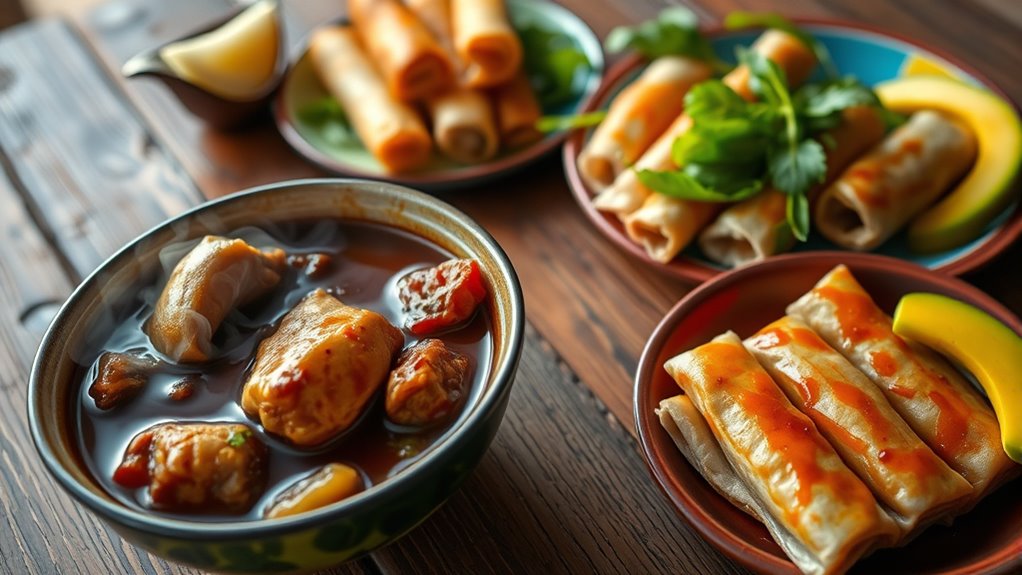
If you’re new to Filipino cuisine, you’ll find a rich tapestry of flavors that reflect the country’s diverse culture and history. Filipino dishes are a vibrant mix of sweet, sour, salty, and savory tastes, often combining ingredients in ways that surprise your palate. To truly appreciate these flavors, it’s helpful to understand the authentic flavors that define Filipino cooking and the cooking techniques behind them. These elements are what make the cuisine unique and inviting.
Discover the rich, vibrant flavors that make Filipino cuisine truly unique and inviting.
When exploring Filipino dishes, you’ll notice that many recipes rely on bold ingredients like vinegar, soy sauce, coconut milk, and fish sauce, which contribute to the cuisine’s signature taste. Learning about authentic flavors means embracing these ingredients and understanding how they balance each other to create memorable dishes. For example, dishes like adobo rely on a marinade of vinegar, soy sauce, garlic, and spices, giving it a tangy, savory profile. The key to mastering these flavors is knowing how to balance acidity, saltiness, and sweetness in each dish. This approach helps you replicate the depth of flavor found in traditional Filipino cooking.
Cooking techniques in Filipino cuisine are often simple but require attention to detail. Many dishes involve marinating, simmering, or braising, which helps tenderize ingredients and develop complex flavors. For example, when making sinigang, a sour soup, you start by boiling tamarind or other sour fruits with vegetables and meat, allowing the flavors to meld over time. Stewing or slow-cooking meats like in kare-kare, a peanut sauce stew, helps achieve tender results while infusing the dish with rich flavors. These techniques emphasize patience and layering, ensuring each bite delivers a harmonious blend of tastes.
Getting familiar with Filipino cooking techniques also means being open to experimenting with ingredients. While traditional recipes are important, you’ll find that many dishes are versatile and adaptable. For instance, you can try substituting different vegetables or proteins while maintaining the core flavors. The key is to respect the balance of flavors and use authentic ingredients as much as possible. You might also want to invest in essential tools like a wok or large pot, which are commonly used in Filipino kitchens to prepare dishes with even heat distribution and ease.
Additionally, understanding the importance of authentic ingredients and how they influence the final flavor is crucial to recreating traditional Filipino dishes accurately. In the end, embracing authentic flavors and mastering cooking techniques will help you create Filipino dishes that are both delicious and true to their roots. As you learn and experiment, you’ll discover how rich and satisfying Filipino cuisine can be, making mealtime a memorable experience for you and your Filipina partner.
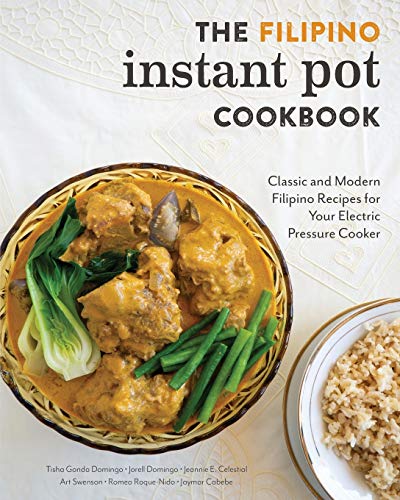
The Filipino Instant Pot Cookbook: Classic and Modern Filipino Recipes for Your Electric Pressure Cooker
As an affiliate, we earn on qualifying purchases.
As an affiliate, we earn on qualifying purchases.
Frequently Asked Questions
What Are Traditional Filipino Desserts to Impress My Partner?
To impress your partner with Filipino sweets, try traditional desserts like Halo-Halo, a colorful mix of crushed ice, sweet beans, and fruits. Leche Flan offers rich, caramelized custard perfection. Bibingka, a rice cake topped with salted eggs, and Sapin-Sapin, a layered sticky rice dessert, showcase authentic Filipino flavors. These traditional desserts highlight the sweet, vibrant essence of Filipino cuisine and will surely charm your partner.
How Do I Properly Eat Filipino Street Food?
When eating street food in the Philippines, you should follow street food etiquette by using your hands or a small skewer, and avoid touching other food. Hold the skewer or container securely, and eat quickly while it’s fresh. Be respectful of vendors, wait for your turn, and clean up after yourself. Enjoy the lively atmosphere, and don’t forget to try the local specialties for an authentic experience.
Are There Vegetarian Filipino Dishes Available?
You’ll be amazed—Filipino cuisine offers plenty of vegetarian options packed with plant-based ingredients that will blow your mind! Dishes like laing, made from taro leaves, and ginataang gulay, a rich vegetable stew, are perfect for veggie lovers. You don’t have to miss out on authentic flavors. Just ask for vegetarian versions or look for local spots that serve these delicious, meat-free dishes, and enjoy the vibrant taste of Filipino food!
What Beverages Pair Well With Filipino Meals?
For Filipino meals, you’ll want to contemplate beverage pairing and drink recommendations that complement rich flavors. Fresh calamansi juice and coconut water are excellent choices, as they refresh your palate. Light beers like San Miguel or local craft beers also work well, balancing savory dishes. For non-alcoholic options, try iced tea or sago’t gulaman. These drinks enhance your meal experience, making each bite even more enjoyable.
How Can I Learn to Cook Filipino Dishes Authentically?
You can learn to cook Filipino dishes authentically by practicing traditional cooking techniques like simmering, marinating, and frying. Focus on ingredient sourcing by visiting Asian markets or specialty stores to find authentic spices, sauces, and produce. Watching cooking tutorials, joining Filipino cooking classes, or following seasoned Filipino chefs online will also help you grasp the nuances of flavors and methods, ensuring your dishes stay true to their cultural roots.

Knorr Tamarind Soup Base (Pack of 6)
Net Wt. 1.41 oz. each package
As an affiliate, we earn on qualifying purchases.
As an affiliate, we earn on qualifying purchases.
Conclusion
As you set out on this flavorful journey, let Filipino cuisine be your guiding star, illuminating your shared moments like a warm, glowing lantern in the night. Each dish is a vibrant brushstroke on the canvas of your relationship, painting memories as sweet as halo-halo and as spicy as adobo. Embrace these flavors with open hearts and hungry appetites, turning every meal into a symphony of love and culture that will linger in your hearts long after the last bite.
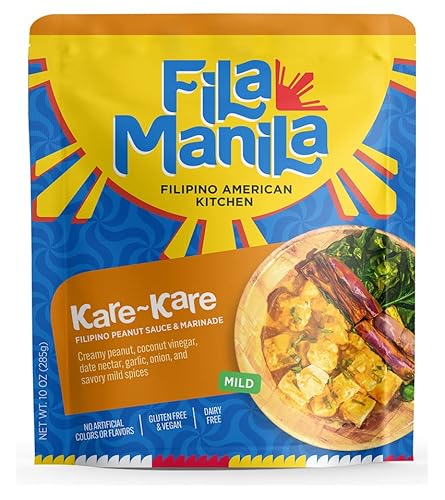
Fila Manila Kare-Kare – Filipino Peanut Simmer Sauce & Marinade – Savory Peanut, Garlic, & Onion, 8 oz pouch, NO MSG Added, Vegan, Gluten Free, Dairy Free, As Seen on TikTok (1 pack)
A DELICIOUS FILIPINO PEANUTY SIMMER SAUCE & MARINADE. Fila Manila presents Filipino Kare-Kare, the Philippines’ delicious take on…
As an affiliate, we earn on qualifying purchases.
As an affiliate, we earn on qualifying purchases.
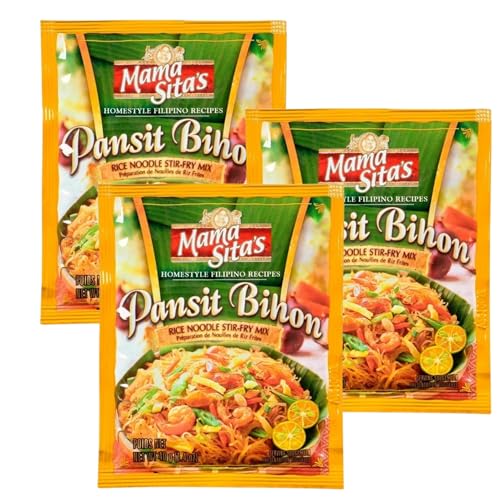
Mama Sita's Pansit Bihon Rice Noodle Stir-Fry Mix, Net Wt 1.4oz (40g) 3 Pack
As an affiliate, we earn on qualifying purchases.
As an affiliate, we earn on qualifying purchases.