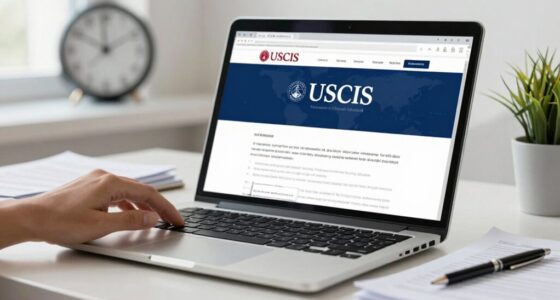

To work legally in the Philippines, you need the right visa (like a 9(g) work visa or special permit) and an official work permit obtained through your employer. Make sure your documents—passport, employment contract, and proof of qualifications—are in order. Following proper procedures guarantees you stay compliant with Philippine laws and avoid penalties. If you want to learn the step-by-step process and stay protected, you’ll find more helpful insights ahead.

Get gifts for the two of you delivered free with Prime
- Fast, free delivery on millions of items
- Prime Video, Amazon Music and more included
- Member-only deals all year
Key Takeaways
- Obtain a valid visa (e.g., 9(g) work visa) with required documents like passport and job offer.
- Secure a work permit through your employer, demonstrating legal employment compliance.
- Ensure your employment contract clearly states role, salary, and benefits to meet legal standards.
- Adhere to Philippine employment laws covering work hours, wages, and employee rights.
- Keep all documents organized and consult agencies like DOLE for updates and compliance guidance.

Are you planning to work legally in the Philippines? If so, understanding the visa requirements and employment regulations is essential to guarantee a smooth process. The Philippines has specific rules for foreigners seeking employment, and complying with these is fundamental to avoid legal issues or penalties. First, you’ll need to navigate the visa requirements carefully. Depending on your nationality and the type of work you intend to do, you might qualify for different types of visas, such as a 9(g) work visa or a special work permit. The process involves submitting necessary documents, like a valid passport, a confirmed job offer from an employer in the Philippines, and proof of your qualifications. Your employer often helps facilitate this process, but you must also stay proactive in providing all necessary paperwork. Remember, the visa requirements are not just about paperwork; they’re designed to guarantee that your employment aligns with the country’s labor policies and that you’re legally authorized to work. Being aware of employment regulations can help you navigate your rights and responsibilities more effectively. Once you’ve secured the appropriate visa, it’s essential to familiarize yourself with the employment regulations in the Philippines. These regulations govern everything from work hours and minimum wage to employee rights and benefits. The Philippines has labor laws aimed at protecting workers, including provisions for working hours, overtime pay, and holiday entitlements. As a foreign worker, you’re entitled to these rights, just like local employees, but understanding them helps you advocate for yourself and avoid exploitation. Employers are also responsible for adhering to these employment regulations, so guarantee your contract clearly states your role, salary, and benefits. If you encounter any discrepancies or issues, you can seek assistance from the Department of Labor and Employment (DOLE) or relevant agencies. Getting your work permit is a key step in working legally in the Philippines. It confirms your legal status and allows you to stay and work within the country’s legal framework. The process involves submitting an application through your employer, who must demonstrate that your employment complies with Philippine laws. It’s important not to bypass this step, as working without proper authorization can result in fines, deportation, or bans from reentry. Staying informed about visa requirements and employment regulations not only guarantees legal compliance but also helps you enjoy your work experience without unnecessary worries. If you plan ahead and follow the proper procedures, working legally in the Philippines becomes a straightforward process, allowing you to focus on your job and make the most of your time in the country.
Philippines work visa application guide
As an affiliate, we earn on qualifying purchases.
As an affiliate, we earn on qualifying purchases.
Frequently Asked Questions
How Long Does the Work Permit Application Process Usually Take?
Processing times for work permit applications can vary depending on the application procedures and your specific circumstances. Typically, it takes about 1 to 3 months, but delays are possible if additional documents are needed or during peak periods. You should verify all requirements are complete to avoid prolonging the process. Staying in touch with the issuing agency can help you stay updated on your application’s status and expected timeline.
Are There Specific Industries With Easier Work Permit Approval?
Did you know that certain industries face fewer permit approval criteria? You’ll find that sectors like IT, BPO, and tourism often have easier work permit approvals because they align with government priorities and have fewer industry restrictions. While approval criteria vary, these industries tend to process permits faster. Check specific industry restrictions first, but generally, sectors with high demand and clear government support speed up your application process.
Can Dependents Work While I Hold a Work Permit?
You might wonder if your dependents can work while you hold a work permit. Generally, dependent employment is possible but requires them to obtain their own work permits, which are tied to your work permit duration. You’ll need to make certain they meet the requirements and apply accordingly. Keep in mind, work permit duration influences how long they can work legally, so plan their employment accordingly.
What Are the Costs Involved in Obtaining a Work Permit?
The work permit fees vary depending on your job and duration of stay, typically ranging from a few thousand to over ten thousand pesos. Besides the basic work permit costs, you might face additional costs like documentary fees, medical exams, and processing fees. You should budget for these extra expenses to make certain you cover all necessary steps without surprises, making the process smoother and more manageable.
Is There a Visa Exemption for Short-Term Work Assignments?
Imagine you’re offered a three-week project in the Philippines. You might wonder if a visa exemption covers your short-term assignment. Generally, the Philippines offers a visa exemption for tourists, but this doesn’t include work. For short-term work assignments, you typically need a special work visa or permit. Always check with the Philippine embassy to confirm if a visa exemption applies, as working without proper authorization can lead to penalties.
work permit for foreigners in Philippines
As an affiliate, we earn on qualifying purchases.
As an affiliate, we earn on qualifying purchases.
Conclusion
Now that you know the ins and outs of working legally in the Philippines, you’re practically a superhero armed with the power to conquer any job! Imagine wielding your work permit like a magic wand, turning your dreams into reality faster than a jeepney on a busy street. With these tips, you’ll be unstoppable—more legendary than the legendary Filipino hospitality itself. So go ahead, take the leap—your adventure as a legit foreign worker starts now!
Philippines employment contract template
As an affiliate, we earn on qualifying purchases.
As an affiliate, we earn on qualifying purchases.
As an affiliate, we earn on qualifying purchases.
Fall Picks
fall essentials
As an affiliate, we earn on qualifying purchases.