
As a Filipina wife, obtaining dual citizenship allows you to enjoy benefits like easier travel, work, and social services in both countries while maintaining your Filipino heritage. To start, you’ll need to meet legal requirements—be a natural-born Filipino, provide proof of citizenship, and submit your application with supporting documents. The process involves completing forms, paying fees, and possibly taking an oath. If you want to understand each step clearly, keep exploring the details below.
Key Takeaways
- Filipino wives can acquire dual citizenship through a formal oath or declaration after meeting legal requirements.
- Benefits include easier travel, employment, and access to social services in both the Philippines and the other country.
- Necessary documentation includes proof of Filipino citizenship and foreign passports, properly authenticated.
- The process involves submitting forms, paying fees, and potentially undergoing a review or oath at a Philippine embassy or consulate.
- Consulting legal experts ensures compliance with requirements, preventing delays and securing dual citizenship privileges.

Are you a Filipina wife considering the possibility of holding dual citizenship? If so, you’re weighing the advantages of maintaining your Filipino identity while embracing the benefits of another nationality. Before diving into the process, it’s fundamental to understand the legal requirements and application procedures involved. The Philippine government allows natural-born Filipinos to acquire dual citizenship, provided they meet specific criteria. Generally, you’ll need to prove your Filipino citizenship through documentation like your birth certificate or Philippine passport. If you’ve lost your Philippine citizenship by acquiring another nationality, you can regain it by applying for reacquisition. This process involves submitting a formal application to the Philippine Bureau of Immigration or other designated agencies. You’ll typically need to fill out specific forms, provide supporting documents such as your foreign passport, and pay applicable fees. The application procedures are straightforward but require attention to detail, making sure all documents are accurate and complete. It’s advisable to prepare all necessary paperwork beforehand to avoid delays. Once you submit your application, authorities will review your documents, verify your Filipino citizenship status, and process your request. The timeline for approval can vary, but you should expect a few weeks to a couple of months. During this period, authorities might request additional information or clarification, so staying responsive can help speed things up. It’s also important to note that dual citizenship status is granted through a formal oath or declaration, which you may need to take at a Philippine consulate or embassy if you’re abroad. This step affirms your commitment to uphold the rights and responsibilities of Filipino citizenship while enjoying the privileges of your second nationality. Understanding the legal requirements and application procedures is vital because any misstep could delay or jeopardize your dual citizenship status. Make sure your documents are up-to-date, properly authenticated, and meet all specified criteria. If you’re unsure about any part of the process, consulting a legal expert or a specialized agency can help clarify requirements and avoid common pitfalls. Gaining dual citizenship can open doors to various opportunities, such as easier travel, employment, and access to social services in both countries. It also allows you to retain your Filipino heritage while fully integrating into your new community. Being aware of cultural and regional differences in passport and citizenship laws can further streamline your application process and ensure compliance with both nations’ regulations. By carefully following the legal requirements and application procedures, you can smoothly navigate the process and enjoy the benefits that come with dual citizenship. Remember, it’s a legal right for Filipinas, and taking the proper steps guarantees you can confidently enjoy the privileges of both nations.
dual citizenship application kit
As an affiliate, we earn on qualifying purchases.
As an affiliate, we earn on qualifying purchases.
Frequently Asked Questions
Can Filipina Wives Retain Their Filipino Citizenship After Acquiring a New One?
Yes, you can retain your Filipino citizenship after acquiring a new one. Doing so helps you preserve your cultural identity and maintain strong family ties. Dual citizenship allows you to enjoy benefits from both countries, like voting rights and property ownership, without losing your Filipino roots. Just be aware of legal requirements to keep both nationalities active, so you can continue embracing your heritage while enjoying new opportunities abroad.
Are There Any Tax Implications for Dual Citizenship for Filipina Wives?
Ironically, gaining dual citizenship can complicate your tax reporting and financial planning. You might need to declare income in both countries, risking double taxation if treaties aren’t in place. While it offers benefits, you should stay vigilant about the tax laws of each nation. Consulting with a tax professional helps you navigate these complexities, ensuring you’re compliant and making informed financial decisions.
How Does Dual Citizenship Affect Filipino Legal Rights and Responsibilities?
Dual citizenship enhances your legal rights, allowing you to vote, own property, and access social services in both countries. However, you must fulfill legal obligations like paying taxes and obeying laws in each nation. It also boosts your civic participation, making it easier to engage in community activities. Be mindful of specific regulations that may require you to choose one citizenship for certain legal matters, ensuring you stay compliant with both countries’ laws.
Can Dual Citizenship Be Revoked or Lost Over Time?
Yes, dual citizenship can be revoked or lost over time. Citizenship revocation happens if you commit serious violations of laws or false statements during the application process. Additionally, the loss of status may occur if you voluntarily choose to renounce your Filipino citizenship or acquire another nationality that automatically terminates your dual status. Stay aware of legal requirements to maintain your citizenship and avoid unintended loss of your dual status.
What Are the Residency Requirements for Maintaining Dual Citizenship Status?
Imagine holding two passports like a seasoned traveler. To maintain dual citizenship, you generally need to meet residency duration requirements, often living in the country for a specific period. Renewal policies vary, but staying compliant with these rules guarantees your status remains secure. You should regularly renew or update your documents as needed, keeping your dual citizenship intact and your international journey smooth and uninterrupted.

Crown Lion Philippines Philippinese Filipinos Flag Passport Holder Cover PU Leather Passport Wallet with Card Slots Travel Essential for Travel Women Men Family Travels Must Haves Essentials
- Premium Material: High-quality PU leather for durability
- Organized Storage: Slots for passport, cards, and passes
- Vibrant Design: Fade-resistant, eye-catching printed pattern
As an affiliate, we earn on qualifying purchases.
As an affiliate, we earn on qualifying purchases.
Conclusion
Remember, “A journey of a thousand miles begins with a single step.” By understanding the benefits and process of acquiring dual citizenship, you open doors to new opportunities for you and your family. It’s a valuable investment in your future, offering more freedom and security. Embrace this chance confidently, knowing that taking the first step today can lead to a brighter, more connected tomorrow for you and your loved ones.

The Apostille Agents' Survival Guide: A Not-So-Secret Reference Handbook to International Document Services
As an affiliate, we earn on qualifying purchases.
As an affiliate, we earn on qualifying purchases.
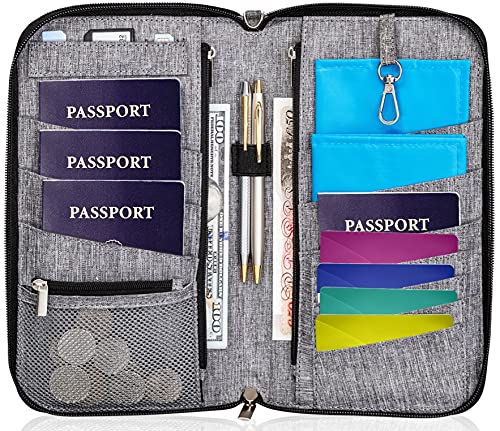
Valante Premium Family Travel Document Organizer Capacious RFID Passport Holder Wallet (Large, gray)
- Designed by Travelers: Smart, elegant, high-capacity design
- Removable Straps: Wristlet and crossbody options
- Large Travel Organizer: Fits letter-sized documents
As an affiliate, we earn on qualifying purchases.
As an affiliate, we earn on qualifying purchases.