Pakikisama is all about keeping the peace in Filipino culture. It focuses on social harmony, putting group needs above individual desires. This principle shapes relationships, whether personal or professional, encouraging collaboration and mutual respect. By practicing pakikisama, you foster unity, enhance communication, and build stronger connections. It’s not about being passive; it’s about nurturing understanding and support. Embracing this concept can enrich your interactions and offer valuable insights into Filipino values and social dynamics.
Key Takeaways
- Pakikisama embodies the Filipino value of prioritizing social harmony and group cohesion over individual desires and ambitions.
- In social settings, it fosters respectful conversations, ensuring everyone feels heard and valued to strengthen relationships.
- In the workplace, pakikisama promotes collaboration, support, and a harmonious environment, enhancing employee motivation and teamwork.
- This cultural principle emphasizes empathy and active listening, improving conflict resolution skills and emotional intelligence.
- Understanding pakikisama deepens appreciation for Filipino culture and encourages positive interactions across diverse groups.

In a world where harmony often trumps individual desires, understanding pakikisama—the Filipino concept of “keeping the peace”—can transform your interactions. This cultural significance extends beyond just a word; it embodies a way of life that emphasizes social harmony. When you grasp this concept, you’ll find that your relationships, whether personal or professional, become richer and more meaningful.
Pakikisama isn’t about being a pushover or sacrificing your beliefs. Instead, it’s a commitment to fostering unity and a sense of belonging. Imagine you’re at a gathering, and a discussion arises that could lead to conflict. By practicing pakikisama, you choose to navigate the conversation delicately, ensuring everyone feels heard while keeping the atmosphere light. This ability to prioritize group cohesion can strengthen bonds and create lasting friendships.
Pakikisama nurtures unity and belonging, guiding conversations with care to strengthen bonds and foster lasting friendships.
In a workplace, pakikisama plays an equally essential role. You might notice that a team member is struggling with a task. Instead of pointing out their mistakes harshly, you can offer assistance and encouragement. This not only helps the individual but also promotes a culture of collaboration. When you embody pakikisama, you contribute to a more harmonious environment, where everyone feels valued and motivated to perform their best.
Understanding pakikisama also helps you appreciate the nuances of Filipino culture. It’s rooted in a long history of communal living, where relationships often take precedence over individual ambitions. By acknowledging this, you become more adept at engaging with those who hold these values dear. You’ll notice that when you demonstrate respect and empathy, others are more likely to reciprocate, fostering a cycle of goodwill. Recognizing the importance of social harmony can deepen your appreciation for these cultural principles. Additionally, cultivating a growth mindset can help you approach these relationships with openness and resilience, even when faced with challenges. Developing an awareness of interpersonal dynamics can further enhance your ability to navigate complex social situations effectively.
Moreover, embracing pakikisama can lead to personal growth. As you learn to prioritize harmony, you’ll develop skills like active listening and conflict resolution. You’ll become more attuned to the feelings of others, which can deepen your emotional intelligence. This isn’t just beneficial for your interactions with Filipinos; these skills can enhance your relationships across cultures. Practicing empathy and understanding diverse perspectives are key components to nurturing these connections. Additionally, practicing these principles can be supported by wellness technology, which encourages mindfulness and emotional balance.
Ultimately, pakikisama is about creating a sense of community. When you actively work toward social harmony, you contribute to a world where kindness and understanding flourish. So next time you find yourself in a situation that could escalate, remember the power of pakikisama. By choosing to keep the peace, you’re not only enriching your own life but also the lives of those around you.

Filipino Children's Favorite Stories: Fables, Myths and Fairy Tales (Favorite Children's Stories)
As an affiliate, we earn on qualifying purchases.
As an affiliate, we earn on qualifying purchases.
Frequently Asked Questions
How Does Pakikisama Influence Filipino Workplace Dynamics?
Pakikisama influences Filipino workplace dynamics by fostering team collaboration and cultural sensitivity. You’ll notice that maintaining harmony is essential, encouraging open communication and mutual respect among colleagues. When you prioritize relationships, it creates an environment where everyone feels valued and heard. This approach not only enhances teamwork but also helps resolve conflicts effectively. By embracing pakikisama, you contribute to a positive workplace atmosphere, which ultimately drives productivity and success.
Can Pakikisama Lead to Negative Outcomes in Relationships?
Yes, pakikisama can lead to negative outcomes in relationships. By prioritizing harmony, you might find yourself avoiding conflict, which can result in unresolved issues. This conflict avoidance often leads to emotional suppression, making it hard to express genuine feelings. Over time, this can create resentment and distance between you and others. Instead of fostering true connections, you may end up feeling disconnected and unfulfilled in your relationships.
Is Pakikisama Practiced in Other Cultures?
Yes, you’ll find that practices similar to pakikisama exist in various cultures, often aimed at promoting social harmony. Many societies prioritize maintaining good relationships, using euphemisms to smooth over conflicts and avoid confrontation. For instance, you’ll see cultural similarities in the way people in Japan emphasize group cohesion, or how certain African communities value consensus-building. These approaches help foster connections, but they can sometimes mask underlying issues, leading to unaddressed tensions.
How Can One Balance Pakikisama and Personal Boundaries?
To balance pakikisama and personal boundaries, start by practicing boundary setting while being culturally sensitive. Communicate your needs clearly but respectfully, ensuring others understand your intentions. When engaging in group situations, express your thoughts honestly, but also listen to others. Remember, it’s okay to disagree while maintaining harmony. Aim for a middle ground where you can uphold your values without sacrificing your relationships, fostering both personal integrity and communal peace.
What Are Common Misconceptions About Pakikisama?
One common misconception about pakikisama is that it means sacrificing your own needs for social harmony. You might think it’s all about keeping the peace at any cost, but it actually holds cultural significance in fostering relationships. Many believe it requires you to agree with everyone, but true pakikisama encourages open communication and respect for boundaries while maintaining connections. Embracing this balance allows you to honor both your individuality and the community.

Active Listening Techniques: 30 Practical Tools to Hone Your Communication Skills
As an affiliate, we earn on qualifying purchases.
As an affiliate, we earn on qualifying purchases.
Conclusion
Understanding pakikisama is essential for fostering harmony in social interactions, especially in Filipino culture. For instance, imagine a workplace where team members regularly compromise personal preferences for the sake of group cohesion. When a colleague suggests a team lunch that you’re not fond of, opting to join anyway helps maintain a positive atmosphere. By embracing pakikisama, you not only strengthen relationships but also contribute to a supportive environment, proving that sometimes, keeping the peace is the best choice.
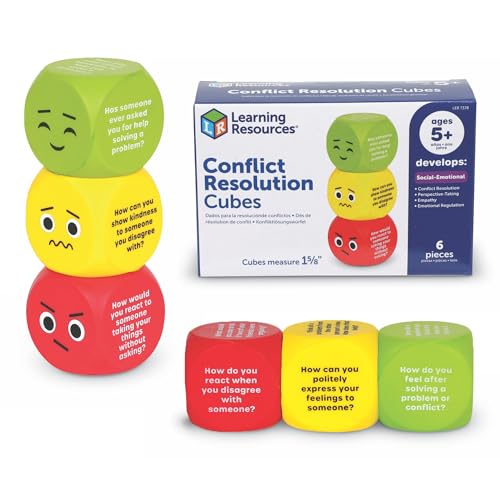
Learning Resources Conflict Resolution Cubes
- Interactive Conversation Cubes: 30 prompts for communication skills
- Enhances Conflict Resolution: Practice conflict and teamwork skills
- Color-Coded Guidance: Red, yellow, green for clarity
As an affiliate, we earn on qualifying purchases.
As an affiliate, we earn on qualifying purchases.

Teambuilding
- Quantity: Sold as 1 Each
- Purpose: Builds Caring, Cooperative Teams
- Activities: Exciting Ready-to-Do Team Activities
As an affiliate, we earn on qualifying purchases.
As an affiliate, we earn on qualifying purchases.