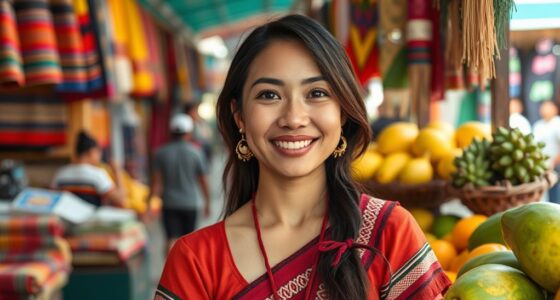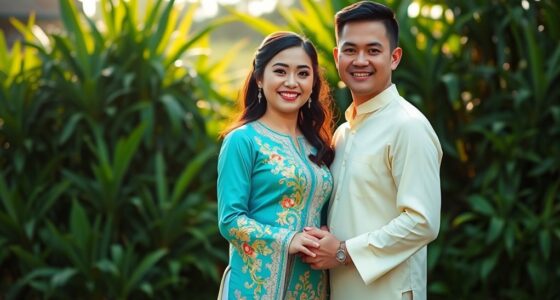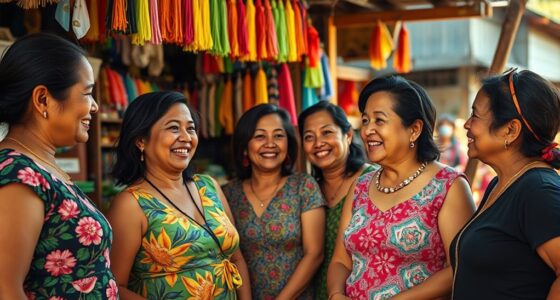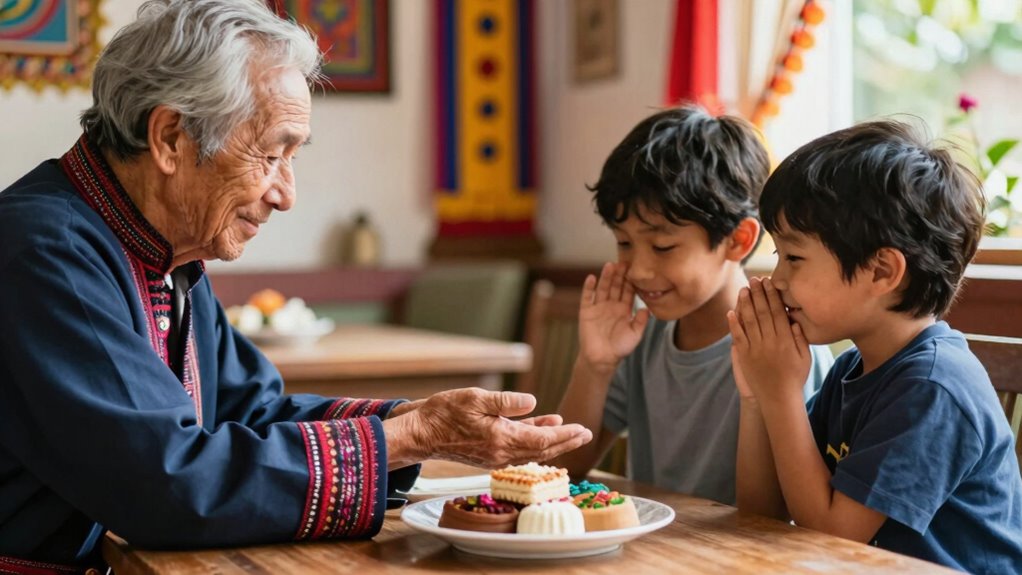

Respecting traditions like “Mano,” “Po,” and “Opo” is essential for building stronger relationships and fostering community ties. When you perform “Mano,” you show respect and acknowledge your elders’ sacrifices. Using “Po” and “Opo” in conversation conveys humility and reverence, enhancing communication. Embracing these customs not only preserves cultural heritage but also helps you connect more deeply with those around you. Want to discover even more about the impact of these practices?

Get gifts for the two of you delivered free — and shop member deals
- Fast, free delivery on millions of items
- Access to Prime Big Deal Days deals on October 6–7
- Prime Video, Amazon Music and more included
Key Takeaways
- “Mano” signifies respect for elders, reinforcing family ties and cultural identity through a physical gesture of reverence.
- Using “Po” and “Opo” in conversation demonstrates humility and shows respect for elders, promoting social harmony.
- Engaging with these customs deepens connections and fosters positive relationships within the community.
- Practicing traditions like “Mano,” “Po,” and “Opo” instills respect and cultural values in younger generations.
- Respectful gestures enhance understanding and encourage support, enriching interactions in diverse social situations.
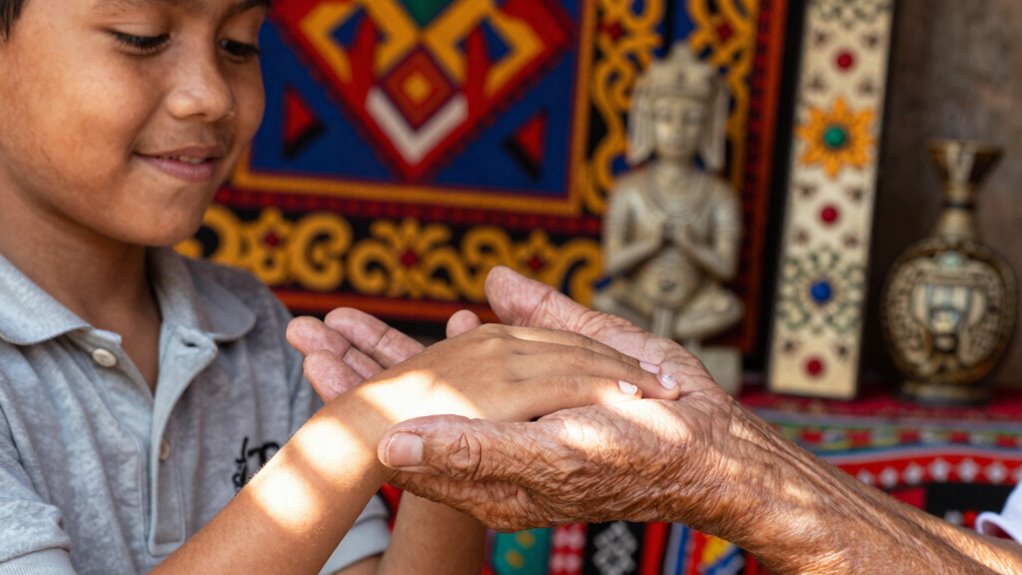
While you might not always understand the significance of certain customs, respecting traditions can deepen your connection to your culture and community. When it comes to practices like “Mano,” “Po,” and “Opo,” you’re engaging with forms of social etiquette that reflect rich cultural values. These gestures aren’t just about politeness; they embody generational wisdom passed down through years, preserving the essence of family values that shape your identity.
“Mano,” for instance, involves taking an elder’s hand and touching it to your forehead. This act isn’t merely a sign of respect; it connects you to your roots and the wisdom your elders carry. By practicing it, you’re acknowledging the sacrifices and experiences that shaped your family. It serves as a reminder of where you come from and reinforces a bond that’s often overlooked in fast-paced modern life.
Similarly, using “Po” and “Opo” when speaking to elders is a linguistic way of showing respect. These words aren’t just polite fillers; they convey a deeper sense of reverence. When you say “Po” or “Opo,” you’re not just adhering to social etiquette; you’re participating in a tradition that honors the wisdom of those who’ve come before you. This practice reinforces the importance of humility and respect, values that are essential in maintaining harmony within your community.
Engaging in these customs can also help you navigate social situations with greater ease. When you demonstrate respect through these gestures, you’re more likely to foster positive relationships within your family and broader community. You might find that your willingness to embrace these traditions opens doors and creates connections that enrich your life. People appreciate when you honor their customs, and it often leads to a deeper understanding of one another.
As you practice these traditions, you’re not just honoring the past; you’re also setting an example for future generations. By embedding these customs into your daily life, you’re teaching younger family members the importance of respect, love, and community. You’re helping to guarantee that these values continue to thrive. Recognizing the significance of these traditions can deepen your appreciation for their role in shaping social harmony and personal identity.
In a world that’s constantly changing, holding onto these customs provides not only a sense of belonging but also a way to navigate life’s complexities with grace and respect. So, the next time you’re in the presence of elders, remember: each gesture you make carries weight and significance, bridging the gap between generations.
As an affiliate, we earn on qualifying purchases.
Frequently Asked Questions
What Are the Origins of the Mano Gesture?
The mano gesture originates from Filipino culture, symbolizing respect for elders. Historically, it’s been a way to connect generations, showcasing the importance of familial bonds. When you perform the gesture, you’re acknowledging the wisdom and guidance of your elders. This practice carries significant cultural significance, reflecting values of humility and reverence. By embracing the mano gesture, you continue a tradition that strengthens community ties and honors the past.
How Can I Practice Polite Speech Effectively?
To practice polite speech effectively, think of it as weaving a tapestry rich with cultural nuances. Start by learning common phrases and expressions that reflect speech etiquette in your community. Engage with others, listen intently, and mirror their respectful language. Embrace the art of pausing, allowing your words to flow gracefully. Don’t shy away from feedback—it’s the thread that strengthens your tapestry. With time, you’ll find your voice resonates with kindness and respect.
Are There Regional Variations in Using Po and Opo?
Yes, there are regional variations in using “po” and “opo.” In some areas, people use these terms more frequently, while in others, they might be less common. This variation reflects the cultural significance of politeness in different communities. You’ll notice that in urban settings, younger generations may adopt more casual speech, but in rural areas, traditional forms are often maintained. Embracing these differences can deepen your understanding of Filipino culture.
What Age Should Children Start Using These Expressions?
You might wonder when’s the right time for kids to embrace these expressions. Generally, children start using “po” and “opo” around ages 3 to 5, marking a vital stage in their cultural development. This age appropriateness not only shapes their manners but also deepens their connection to cultural significance. As they learn these polite forms, they’re not just adopting words; they’re weaving respect into the fabric of their interactions, enriching their relationships.
How Do These Traditions Influence Filipino Identity Today?
These traditions deeply shape your Filipino identity today by reinforcing cultural identity and generational values. When you practice these customs, you connect to your roots and show respect for elders, instilling a sense of belonging. They remind you of the importance of family and community. Embracing these practices helps you navigate modern life while staying grounded in your heritage, ensuring that the values of respect and connection continue to thrive in future generations.
Respectful greeting traditional Filipino
As an affiliate, we earn on qualifying purchases.
As an affiliate, we earn on qualifying purchases.
Conclusion
In the garden of life, respect is the sunlight that nurtures our roots. When you say “mano,” “po,” or “opo,” you’re watering the bonds that connect generations. Each polite word is a petal, blooming in the warmth of tradition. Just as a tree stands tall, embracing its past, you, too, can honor those who came before you. By cherishing these customs, you cultivate a legacy that will flourish in the hearts of those who follow.
Po and Opo respectful speech accessories
As an affiliate, we earn on qualifying purchases.
As an affiliate, we earn on qualifying purchases.
Elder respect gesture hand touch
As an affiliate, we earn on qualifying purchases.
As an affiliate, we earn on qualifying purchases.
Fall Picks
fall essentials
As an affiliate, we earn on qualifying purchases.