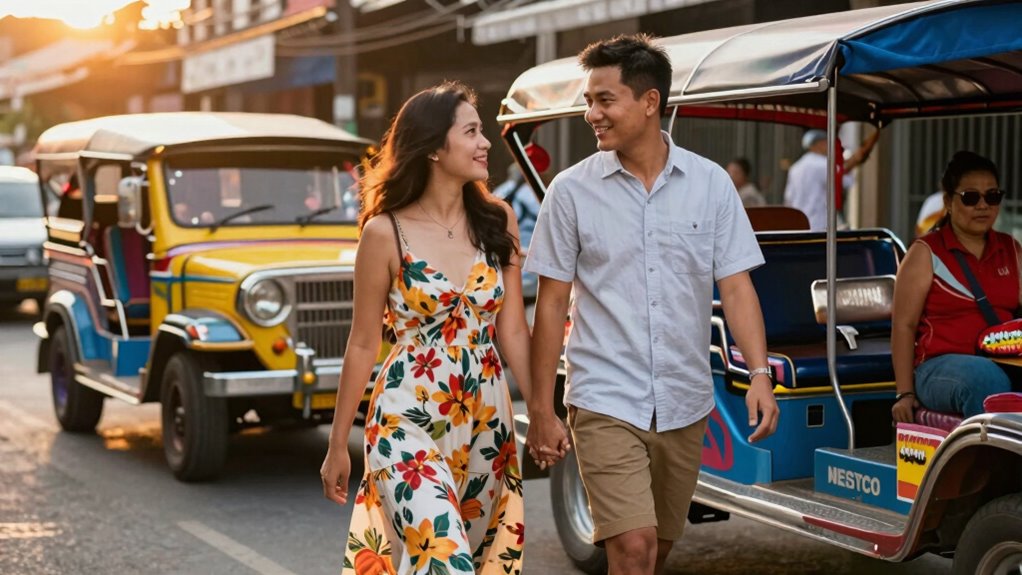

To act like a respectful partner in the Philippines, embrace the vibrant local culture. Maintain eye contact, use polite speech, and avoid sensitive topics. Holding hands is fine, but keep PDA modest in conservative areas. Patience is key, especially during delays, showing respect for local customs. Engage in light-hearted conversations about food or experiences to create connections. By understanding these social norms, you’ll enrich your interactions and strengthen your relationships. Discover more insights to enhance your experience.

Get gifts for the two of you delivered free with Prime
- Fast, free delivery on millions of items
- Prime Video, Amazon Music and more included
- Member-only deals all year
Key Takeaways
- Use polite language, incorporating “po” and “opo” when speaking to elders to show respect.
- Maintain eye contact while communicating, ensuring it remains friendly and non-threatening.
- Keep public displays of affection modest, especially in conservative or rural areas.
- Avoid sensitive topics like politics; engage in light-hearted conversations instead.
- Exhibit patience and a calm demeanor during delays or crowded situations to reflect cultural sensitivity.
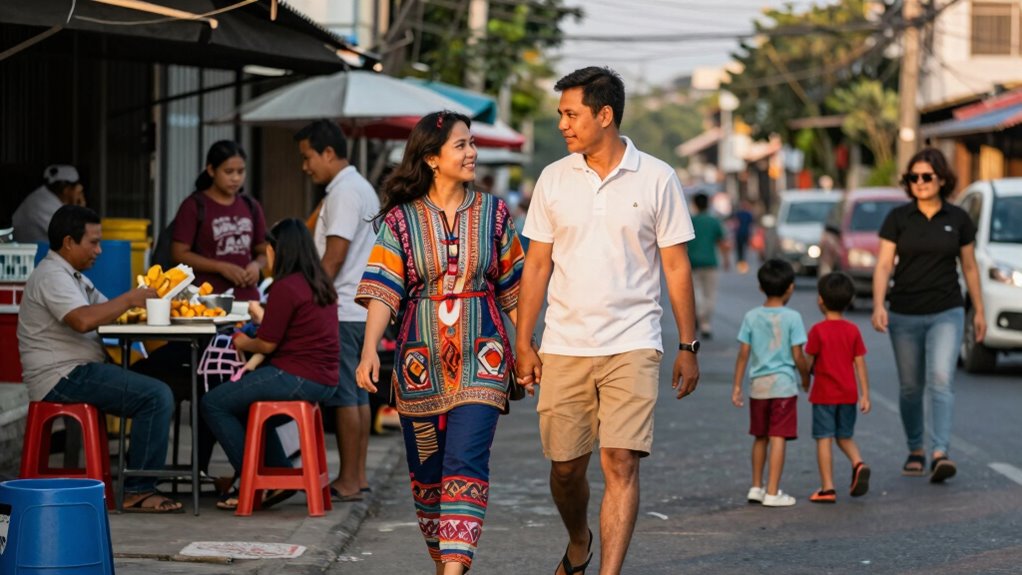
When you stroll through the bustling streets of the Philippines, you’ll quickly notice how vibrant and warm the local culture is. This lively atmosphere is paired with rich cultural norms that influence how people interact in public. If you aim to act like a respectful partner, understanding these social etiquette rules is vital. You’ll find that a little awareness goes a long way in making your interactions more meaningful and appreciated.
In the Philippines, respectful communication is at the heart of every interaction. Filipinos often express warmth through gestures like a smile or a gentle nod. When you’re engaging in conversation, maintain eye contact, but be mindful not to stare, as it can come off as aggressive. It’s common to greet people with “po” and “opo,” which are polite particles that show respect, especially when addressing elders. By incorporating these phrases, you’ll not only connect better but also show your appreciation for their culture.
Public interactions can vary widely, so it’s important to be aware of your surroundings. For instance, while it’s perfectly fine to hold hands with a partner, public displays of affection (PDA) beyond that might raise eyebrows, especially in more conservative areas. If you’re in a rural setting, it’s best to tone it down a bit. Respecting these boundaries demonstrates your understanding of local customs and helps you blend in seamlessly.
When you’re in social situations, you’ll notice that the concept of “saving face” is significant. Avoid putting someone in a position where they might feel embarrassed or uncomfortable. This means steering clear of sensitive topics like politics or personal issues unless you know the person well enough to navigate those discussions. Instead, focus on light-hearted topics, ask about local food, or share stories about your experiences. This approach fosters a more relaxed environment.
Finally, remember that patience is key in public settings. Whether you’re waiting in line or dealing with transportation delays, keeping a calm demeanor reflects well on you. Being respectful and understanding in these moments highlights your commitment to the cultural norms of the Philippines. By practicing these principles, you’ll not only enhance your social interactions but also build lasting relationships grounded in mutual respect and understanding. Embrace the friendly spirit of the Philippines, and you’ll find that your experiences will be enriching and rewarding.
Philippines travel etiquette guide
As an affiliate, we earn on qualifying purchases.
As an affiliate, we earn on qualifying purchases.
Frequently Asked Questions
What Are Common Misconceptions About Filipino Public Behavior?
Many folks assume Filipino public behavior is overly formal or rigid, but that’s not always true. While Filipino hospitality shines through in social interactions, you’ll find warmth and friendliness in casual settings. Misunderstandings arise regarding social hierarchy; respect is essential, but it doesn’t mean you can’t engage openly. Family dynamics play a big role too—people often prioritize family in public, showcasing strong bonds rather than strict decorum.
How Do Cultural Norms Influence Public Interactions in the Philippines?
Cultural norms in the Philippines shape public interactions considerably. You’ll notice that cultural etiquette emphasizes respect, especially towards elders and those in higher social hierarchies. When you greet someone, a simple nod or a polite “po” can go a long way. Being aware of these customs helps you navigate social settings smoothly. Remember, showing genuine respect fosters positive connections and reflects your understanding of the local culture, enhancing your interactions.
Are There Specific Gestures to Avoid in Public Settings?
In the Philippines, about 68% of people find certain gestures disrespectful. To avoid offending anyone, steer clear of pointing with your finger, as it’s considered rude. Instead, use your whole hand to gesture. Also, never touch someone’s head, especially children’s, due to cultural nuances surrounding respect. By being mindful of these disrespectful gestures, you’ll show appreciation for local customs and create a positive public interaction.
What Should I Know About Personal Space in the Philippines?
In the Philippines, personal space is often closer than what you might be used to. You’ll notice that people stand a bit nearer during conversations, so pay attention to social cues. While close proximity is normal, be mindful of personal boundaries—especially in more conservative areas. It’s important to read the room and adjust your distance accordingly, ensuring you respect others’ comfort while fostering a friendly and welcoming atmosphere.
How Do Filipinos Typically Handle Disagreements in Public?
When disagreements arise in public, Filipinos often handle them with a calm demeanor. Instead of raising their voices, they focus on conflict resolution through gentle discussions. You might notice subtle emotional expressions; a furrowed brow or a quiet sigh can speak volumes. They value harmony, so you’ll see them prioritize understanding over confrontation. As tensions simmer, patience and respect guide their interactions, making it clear that preserving relationships is paramount.
polite Filipino language phrasebook
As an affiliate, we earn on qualifying purchases.
As an affiliate, we earn on qualifying purchases.
Conclusion
Steering public behavior in the Philippines is like dancing to a vibrant rhythm; it requires grace, respect, and awareness. As you stroll hand in hand, remember to honor local customs and embrace the warmth of the culture around you. Your actions can paint a beautiful picture of kindness and understanding, making every moment together a cherished memory. By embodying respect, you’ll not only strengthen your bond but also weave a tapestry of goodwill in this colorful community.
public display of affection modest clothing
As an affiliate, we earn on qualifying purchases.
As an affiliate, we earn on qualifying purchases.
As an affiliate, we earn on qualifying purchases.
Halloween Picks
halloween
As an affiliate, we earn on qualifying purchases.