
To set relationship boundaries with online friends and their DMs, start by clarifying what topics are off-limits for discussion. Communicate your privacy preferences and don’t hesitate to express when someone crosses a line. It’s okay to unfollow or mute content that makes you uncomfortable, prioritizing your emotional safety. Acknowledge the positive interactions and reaffirm what you value in the friendship. Stick around to discover more strategies that help foster respectful online connections.
Key Takeaways
- Assess your feelings during online interactions to identify when boundaries are needed for emotional safety.
- Clearly communicate your privacy preferences and limits to online friends to maintain trust.
- Monitor interactions and unfollow or mute accounts that negatively impact your well-being.
- Address boundary violations directly and encourage open dialogue to foster mutual respect.
- Affirm positive interactions with friends to reinforce healthier communication dynamics.

In today’s digital age, where communication is constant and boundaries can blur, it’s important to establish clear relationship boundaries online. When you engage with friends through direct messages (DMs) or social media, understanding digital etiquette becomes significant. You might find yourself maneuvering through various communication styles, and recognizing your own preferences can help you set those boundaries effectively.
Start by evaluating your emotional safety. Ask yourself how certain interactions make you feel. If a friend’s messages leave you feeling anxious or overwhelmed, it’s a sign you may need to set firmer limits. Don’t hesitate to communicate your needs directly. By practicing self-advocacy, you empower yourself to define what’s acceptable in your online interactions, contributing to healthier friendship dynamics.
Evaluate your emotional safety in online interactions; if a friend’s messages cause anxiety, communicate your needs to foster healthier friendships.
Privacy concerns are another major factor when establishing boundaries. Social media often encourages oversharing, but it’s crucial to remain mindful of what you’re comfortable sharing. Decide which aspects of your life you want to keep private and communicate those preferences to your online friends. Setting these limits helps maintain online trust and guarantees that your relationships are built on mutual respect.
Consider how social media impacts your friendships. Platforms can amplify both positive and negative interactions, so it’s important to monitor how these dynamics affect your well-being. If someone’s posts or comments make you uncomfortable, it’s okay to unfollow or mute them. This doesn’t mean you’re rejecting the friendship; it’s about prioritizing your emotional safety.
In conversations, be clear about your boundaries regarding topics you’re willing to discuss. If a friend frequently crosses these lines, it’s important to address it. Open dialogue can clarify your communication styles and help both parties understand each other better. You might find that your friend didn’t realize they were overstepping.
Finally, remember that boundaries aren’t just about saying “no.” They can also involve affirming what you do want in your online relationships. Expressing appreciation for positive interactions can strengthen your friendships and encourage healthier exchanges. By setting clear boundaries, you foster an environment where trust thrives and everyone feels valued.
Ultimately, by being intentional about your online interactions, you create a space where friendships can flourish without compromising your emotional safety or privacy. Taking the time to establish and communicate your boundaries will lead to more fulfilling and respectful online relationships.
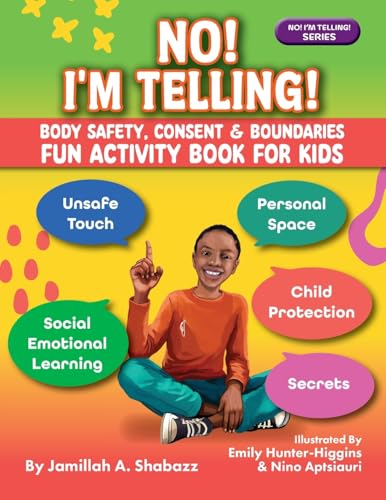
NO! I'M TELLING! – Body Safety, Consent & Boundaries Fun Activities for Kids: Personal Space, Secrets, Unsafe Touch, Social-Emotional Learning & Child Protection (NO! I'M TELLING! Series®)
As an affiliate, we earn on qualifying purchases.
As an affiliate, we earn on qualifying purchases.
Frequently Asked Questions
How Do I Identify Unhealthy Online Friendships?
To identify unhealthy online friendships, look for toxic behaviors like constant criticism or guilt-tripping. If someone frequently engages in emotional manipulation, such as making you feel responsible for their feelings, it’s a red flag. Trust your instincts; if interactions leave you feeling drained or anxious, it’s time to reevaluate. Healthy friendships should uplift you, not weigh you down. Pay attention to how you feel after conversations, and prioritize your well-being.
What Should I Do if Someone Ignores My Boundaries?
If someone ignores your boundaries, it’s essential to take action. Studies show that 70% of people feel uncomfortable when their limits aren’t respected. Start using boundary reinforcement strategies, like clearly communicating your needs again. If they still don’t listen, consider emotional detachment techniques; this helps you protect your well-being. Remember, you deserve relationships that honor your boundaries. Don’t hesitate to step back if someone continually disrespects what you’ve established.
Can Boundaries Change Over Time in Online Relationships?
Yes, boundaries can definitely change over time in online relationships. As you navigate the evolving online dynamics, your needs and feelings might shift, prompting you to reassess your boundaries. It’s important to communicate these changes clearly to the other person. Embracing boundary evolution helps maintain a healthy connection and guarantees both parties feel respected and understood. Remember, it’s okay to adjust your boundaries as your relationship grows and changes.
How Do I Communicate Boundaries Without Offending Others?
You can communicate boundaries without offending others by using assertive communication. Instead of avoiding the issue, you express your needs clearly. For example, saying, “I appreciate our chats, but I need to limit my time online,” respects both your feelings and theirs. It’s a respectful rejection of excessive interaction while maintaining the relationship. Balance honesty with kindness, and you’ll find that most people appreciate your straightforward approach.
Is It Okay to Unfriend Someone Who Violates My Boundaries?
Yes, it’s absolutely okay to unfriend someone who violates your boundaries. Your emotional safety comes first, and keeping toxic connections can harm your well-being. When you decide to unfriend, consider employing good unfriending etiquette—be respectful and, if possible, communicate why you’re stepping back. You deserve relationships that uplift you, so prioritize those that respect your limits and support your emotional health. It’s your online space; make it a safe one.

Review & Social Media Follow Card – NFC & QR Contactless – Smart Tap Digital Card for Google, Tripadvisor & Social Media (Instagram, TikTok, Facebook) (Facebook Follow Card, 1)
- Instant Customer Engagement: NFC and QR direct to review or follow pages
- Universal Compatibility: Works with all phones to boost reviews and followers
- High-Quality Material: Bank-standard PVC with vibrant offset printing
As an affiliate, we earn on qualifying purchases.
As an affiliate, we earn on qualifying purchases.
Conclusion
In today’s digital age, about 70% of people have made friends online, but not everyone knows how to set boundaries. Establishing clear limits protects your emotional well-being and guarantees your online interactions remain healthy. Remember, it’s okay to say no or to limit conversations if they make you uncomfortable. By being proactive about your boundaries, you cultivate more meaningful connections while safeguarding yourself. Don’t underestimate the power of saying what you need—online friendships can be just as significant as those offline.

30-Minute Social Media Marketing: Step-by-step Techniques to Spread the Word About Your Business: Social Media Marketing in 30 Minutes a Day
As an affiliate, we earn on qualifying purchases.
As an affiliate, we earn on qualifying purchases.
Set Boundaries and Restore Yourself: A Woman's Practical Guide for How To SAY NO to Excessive Demands by Family, Friends, and Work. Finally Get the Time You Need
As an affiliate, we earn on qualifying purchases.
As an affiliate, we earn on qualifying purchases.