
When you marry a Filipina, you can expect a strong focus on family, respect, and community. She values tradition and often involves her loved ones in important occasions like weddings and everyday life. You’ll notice her warm, nurturing nature and the importance she places on harmony and mutual support. Cultural customs, both old and new, will blend into your life, enriching your relationship. Stay with us to explore what else makes such a marriage special and meaningful.
Key Takeaways
- Expect a strong emphasis on family, respect, and community involvement in daily life and decision-making.
- Cultural traditions like wedding customs and religious ceremonies will play a significant role in your marriage.
- Respect for elders and maintaining harmony are central to relationship dynamics and household interactions.
- Marrying a Filipina often means blending traditional values with modern lifestyle adaptations.
- Active participation in cultural, religious, and family events is expected to strengthen bonds and show commitment.
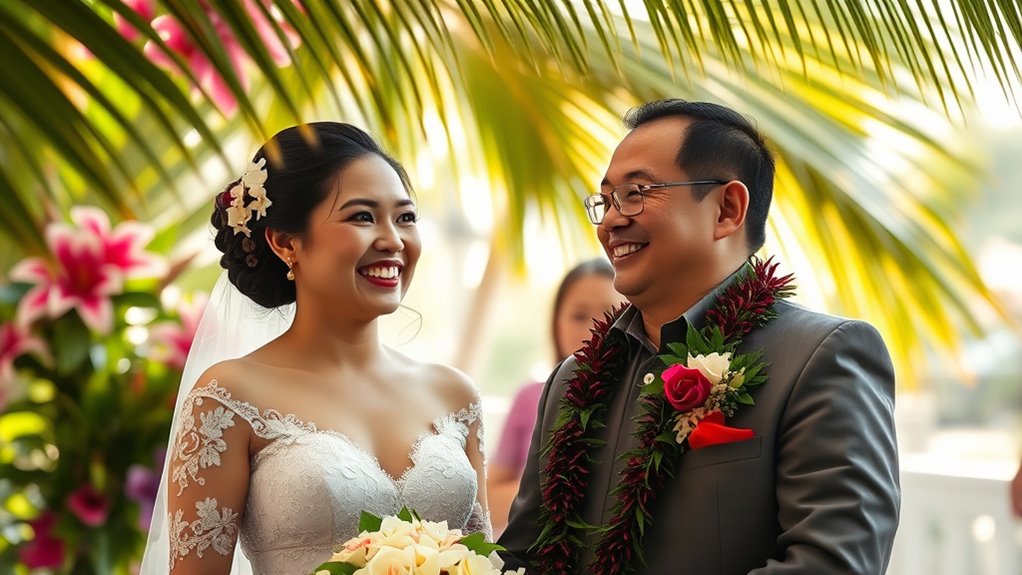
Marrying a Filipina can be a life-changing decision filled with both joys and challenges. One of the first things you’ll notice is how deeply rooted Filipina culture influences every aspect of her life. Filipina culture is a vibrant blend of indigenous traditions, Spanish influences, and modern values, creating a rich tapestry that shapes her worldview. When you marry a Filipina, you’re also embracing her cultural background, which means understanding the importance she places on family, respect, and community. Family is at the heart of Filipino life, and she’ll likely prioritize her loved ones above all else. This can be a beautiful thing, but it also requires you to be open to integrating into a close-knit family structure.
Marrying a Filipina means embracing a culture that values family, respect, and community.
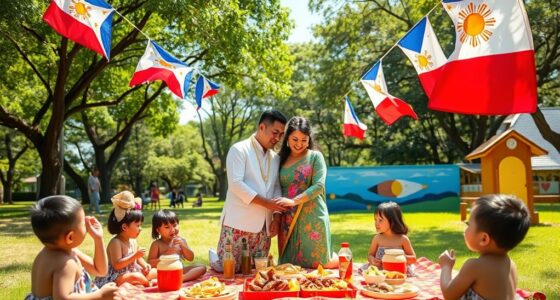
Marriage customs in the Philippines are quite distinctive and often involve elaborate ceremonies centered around family and community. Traditional Filipino wedding customs may include the “arrhae,” a symbolic offering of coins representing prosperity and trust, and the “arras,” where the couple exchanges 13 coins as a sign of their commitment to share their wealth and responsibilities. The “metaga” or “pamanhikan” is another key tradition, where the groom and his family visit the bride’s family to ask for her hand in marriage and discuss wedding plans. During the wedding itself, you’ll often see a mix of Catholic rituals, like the vows and the exchange of rings, alongside cultural practices that emphasize unity and family bonds.
Expect a marriage that values respect and harmony. Filipinas tend to be warm, nurturing, and family-oriented, which means your relationship will often revolve around mutual support and understanding. You might find yourself participating in family gatherings, celebrations, and religious events more frequently than you’re used to. This involvement isn’t just about tradition; it’s an essential part of her identity. She’ll want you to honor her customs and be respectful of her cultural practices, especially during significant occasions like the wedding or local festivals.
Living with a Filipina means you’ll experience a love that’s deeply rooted in tradition but also adaptable to modern life. She may bring her cultural values into your marriage, emphasizing respect for elders, faith, and community. Embracing these customs can deepen your bond and give you a unique, enriching experience. Ultimately, your marriage will be a beautiful fusion of her cultural heritage and your shared life, filled with moments that celebrate both tradition and new beginnings.
Frequently Asked Questions
How Do I Navigate Cultural Differences in Marriage?
To navigate cultural differences in marriage, you should actively embrace your partner’s traditional customs and participate in cultural celebrations together. Show genuine interest in understanding their values and traditions, and communicate openly about any differences. Respect their perspective, be patient, and find common ground. By celebrating special occasions and respecting their cultural heritage, you’ll foster mutual understanding and strengthen your relationship despite the differences.
What Are the Legal Requirements for Marrying a Filipina?
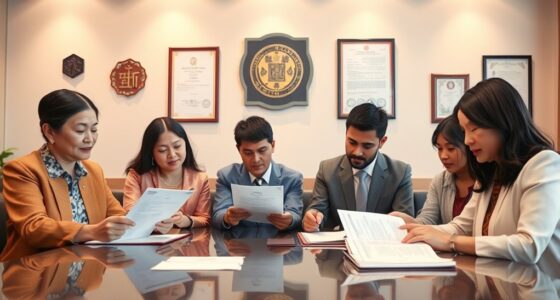
You might wonder about the legal steps to marry a Filipina. First, you’ll need to meet the requirements for marriage registration, which includes submitting valid IDs, birth certificates, and possibly a certificate of legal capacity to marry. Filipina traditions play a crucial role, but the legal process guarantees your union is recognized. Be prepared for some paperwork and patience as you navigate these steps to make your marriage official.
How Can I Communicate Effectively Despite Language Barriers?
You can communicate effectively despite language barriers by embracing language translation tools and practicing patience. Use simple words and clear sentences to avoid misunderstandings. Show cultural sensitivity by learning about your partner’s background, customs, and expressions. Encourage open dialogue, listen actively, and be willing to clarify. This approach helps build trust and ensures your messages are understood, fostering a stronger connection despite any language differences.
What Is the Role of Family in a Filipina’s Marriage?
In a Filipina’s marriage, family plays a central role influenced by Filipina traditions. You’ll find that family influence remains strong, often guiding decisions and daily life. You should respect her family’s opinions and maintain close ties, as they’re integral to her values. Embracing these traditions helps you build trust and harmony, showing your commitment to her and her loved ones. This understanding strengthens your relationship and respects her cultural background.
How Do I Handle Long-Distance Relationships With a Filipina?
To handle a long-distance relationship with a Filipina, focus on trust-building strategies like honest communication and regular video calls. Show your thoughtfulness through gift-giving customs, such as sending small meaningful presents that reflect her culture. Be patient and consistent, demonstrating your commitment. Make plans for visits and future together, so she feels secure and valued. Staying connected and respectful helps nurture your bond across the distance.
Conclusion
Marrying a Filipina means embracing a love filled with warmth, resilience, and deep family bonds. You might worry about cultural differences or distance, but these become opportunities to grow stronger together. Her unwavering loyalty and caring nature will prove worth every challenge. Remember, love transcends borders—what truly matters is the bond you build. So, trust in your connection and look forward to a life full of shared joy, understanding, and unwavering support.