

Relationship-building activities for couples generally fall into three formats: structured workbooks that work through specific issues, conversation card decks that spark dialogue on demand, and activity books that lean into play. My top overall pick is the Skin Deep Couples Edition, because its 199 cards balance depth and approachability better than anything else in this lineup. For couples who want a guided multi-week program instead of a deck, the Relationship Workbook for Couples offers the most structured path, while Let’s Get Deep stands out as the best low-cost, low-pressure entry point. The main tradeoff you’ll face is depth versus ease: workbooks demand real commitment, while card games fit into a date night but rarely resolve deeper conflict. Read on for the full breakdown.
Get ready for Prime Big Deal Days — try Prime free
Exclusive member deals on October 6–7, plus fast free delivery. Cancel anytime.
Start your free trialAs an affiliate, we earn on qualifying purchases.
Key Takeaways
- The Skin Deep Couples Edition ranked first because it hits the rare middle ground between casual card games and heavy therapeutic workbooks — deep prompts in a format couples actually finish.
- Workbooks (Relationship Workbook for Couples, Love More Fight Less, Complete Couples Therapy Workbook) deliver the most transformation but only if both partners commit; if one partner is hesitant, a card deck will get played far more often than a chapter will get read.
- Among card decks, the biggest differentiator is prompt quality, not card count — decks like Esther Perel’s Where Should We Begin? cost more per card but avoid the repetitive, surface-level questions that plague cheaper 160-200 card sets.
- Couples healing from betrayal or emotional distance need repair-focused picks (Rebuilding Trust, Complete Couples Therapy Workbook); general conversation cards can accidentally open wounds neither partner is equipped to process.
- Budget rarely predicts results here: the under-$25 Let’s Get Deep outperformed several decks twice its price, while premium workbooks only pay off with consistent weekly effort.
| Relationship Workbook for Couples: 8-Week Program and Proven Strategies to Rebuild Trust, Resolve Conflict, Improve Communication, and Rekindle Intimacy |  | Best Structured Program | Format: Workbook | Program Length: 8 weeks | Focus Areas: Trust, conflict resolution, communication, intimacy | VIEW LATEST PRICE | See Our Full Breakdown |
| 365 Questions for Couples: A Year of Fun, Deep, and Meaningful Conversations to Strengthen Your Relationship | 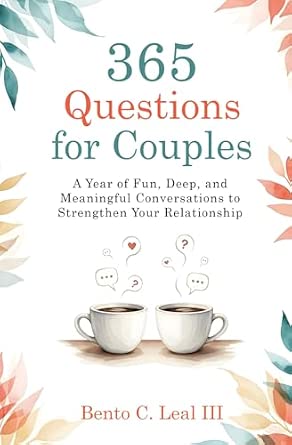 | Best Low-Effort Daily Habit | Format: Book of daily prompts | Content Volume: 365 questions | Duration: One full year of prompts | VIEW LATEST PRICE | See Our Full Breakdown |
| Rebuilding Trust: Guided Therapy Techniques and Activities to Restore Love, Trust, and Intimacy in Your Relationship |  | Best for Serious Healing | Format: Book with guided activities | Approach: Therapy-informed techniques | Focus Areas: Trust restoration, love, intimacy | VIEW LATEST PRICE | See Our Full Breakdown |
| Let’s Get Deep: A Question Card Game for Couples |  | Best Party-Style Date Night Pick | Format: Question card game | Ages: 17+ | Content: Conversation and activity cards with mature themes | VIEW LATEST PRICE | See Our Full Breakdown |
| The Skin Deep Couples Edition – 199 Meaningful Conversation Cards for Couples |  | Best Premium Card Deck | Format: Conversation card deck | Number of Cards: 199 | Audience: Couples | VIEW LATEST PRICE | See Our Full Breakdown |
| The Couple’s Activity Book: 70 Interactive Games to Strengthen Your Relationship |  | Best for Couples Who Want More Than Conversation | Format: Printed activity book | Number of Activities: 70 interactive games | Focus: Bonding, communication, fun | VIEW LATEST PRICE | See Our Full Breakdown |
| Couples Connection Cards – 50 Conversation Starters for Couples |  | Best Value Pick | Number of Cards: 50 | Intended Use: Couples communication and connection | Suitable For: All relationship stages | VIEW LATEST PRICE | See Our Full Breakdown |
| Couples Games, 160 Relationship Conversation Cards for Date Night |  | Best Categorized Deck | Number of Cards: 160 | Categories: Deep Talk & Values, Fun & Random, Past & Memories, Future & Dreams, Intimacy & Desire, Us & Everyday Life | Material: Double-sided matte coating | VIEW LATEST PRICE | See Our Full Breakdown |
| Talking Hearts Conversation Cards – Couple Card Game for Date Nights & Travel Adventures |  | Best for Travel and Long-Term Use | Number of Questions: 200 | Included Components: 101 cards, including 2 wild cards | Material Type: Paper | VIEW LATEST PRICE | See Our Full Breakdown |
| Life Sutra Couple Reconnect Card Game |  | Best Therapy-Inspired Pick | Number of Cards: 150 | Purpose: Build trust, deepen bond, improve communication | Approach: Therapy-inspired conversation prompts | VIEW LATEST PRICE | See Our Full Breakdown |
| Esther Perel Where Should We Begin? Card Game for Dating and Game Night |  | Best Premium Conversation Pick | Designed by: Esther Perel, relationship expert | Edition: 2nd Edition | Intended use: Dating, couples’ game night | VIEW LATEST PRICE | See Our Full Breakdown |
| FLUYTCO Love Lingual: The Original Couples Card Game |  | Best Value Structure | Number of cards: 150 | Categories: Couple, Intimacy, Past & Future, Individual, Family | Recommended use: Date night, long drive, weekend trip, post-dinner | VIEW LATEST PRICE | See Our Full Breakdown |
| Love More, Fight Less: Communication Skills Every Couple Needs | 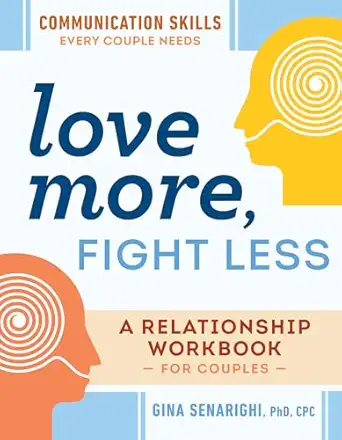 | Best for Conflict Resolution | Format: Paperback workbook | Focus: Communication and conflict resolution | Content type: Practical exercises and strategies | VIEW LATEST PRICE | See Our Full Breakdown |
| The Ultimate Fun Book for Couples: 60 Exciting and Lighthearted Quizzes, Games, and Challenges to Bring You Closer Than Ever |  | Best for Playful Bonding | Format: Paperback activity book | Number of activities: 60 | Activity types: Quizzes, games, challenges | VIEW LATEST PRICE | See Our Full Breakdown |
| The Complete Couples Therapy Workbook: Step-by-Step exercises to Improve Intimacy, Build Trust, Resolve Relationship Conflicts, and Recover from Emotional Distance | 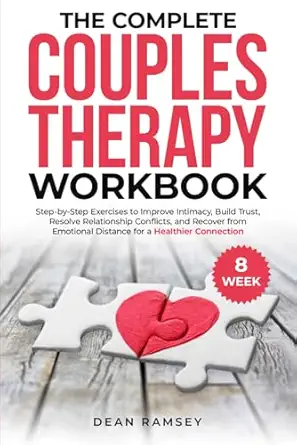 | Best for Deep Repair Work | Format: Workbook | Focus areas: Intimacy, trust, conflict resolution, emotional distance | Structure: Step-by-step exercises | VIEW LATEST PRICE | See Our Full Breakdown |
| relationship-building activities for couple | Format |
|---|---|
| Relationship Workbook for Coup | Workbook |
| 365 Questions for Couples: A Y | Book of daily prompts |
| Rebuilding Trust: Guided Thera | Book with guided activities |
| Let’s Get Deep: A Question Car | Question card game |
| The Skin Deep Couples Edition | Conversation card deck |
| The Couple’s Activity Book: 70 | Printed activity book |
| Couples Connection Cards | Conversation starter cards |
| Couples Games | Categorized conversation cards |
| Talking Hearts Conversation Ca | — |
| Life Sutra Couple Reconnect Ca | Card game with simple rules |
| Esther Perel Where Should We B | Card deck |
| FLUYTCO Love Lingual: The Orig | Card deck |
| Love More | Paperback workbook |
| The Ultimate Fun Book for Coup | Paperback activity book |
| The Complete Couples Therapy W | Workbook |
More Details on Our Top Picks
Relationship Workbook for Couples: 8-Week Program and Proven Strategies to Rebuild Trust, Resolve Conflict, Improve Communication, and Rekindle Intimacy
Most relationship-building products on this list are conversation starters — low commitment, fun, but easy to abandon after a week. This workbook takes the opposite approach: an 8-week structured program that moves couples through trust repair, conflict resolution, and communication skills in a deliberate sequence. Compared with 365 Questions for Couples, which spreads light prompts across a year, this option demands real weekly effort in exchange for measurable progress. That structure is exactly why it earns the top spot for couples in serious trouble rather than couples who simply want to chat more. The tradeoff is obvious: partners who won’t commit to homework-style exercises will stall out by week two, and the workbook assumes both people are willing participants. Best suited to motivated pairs rebuilding after conflict, not casual date-night browsers.
Pros:- Structured 8-week program creates real momentum instead of random exercises
- Covers trust, conflict, communication, and intimacy in one sequence
- Practical exercises translate directly into changed behavior
- Deeper and more systematic than prompt-based card decks
Cons:- Requires sustained 8-week commitment from both partners
- Workbook format feels like homework, not leisure
- Sparse user feedback makes quality hard to verify before buying
Best for: Committed couples actively working to repair trust or communication breakdowns who will follow through on weekly exercises
Not ideal for: Couples wanting lighthearted date-night entertainment — this is closer to self-guided therapy than a game
- Format:Workbook
- Program Length:8 weeks
- Focus Areas:Trust, conflict resolution, communication, intimacy
- Approach:Guided exercises and proven strategies
- Commitment Level:High — weekly participation
- Best Use:Relationship repair and structured improvement
Our verdict“Buy this if your relationship needs a deliberate repair plan, not if you just want better dinner conversation.”
365 Questions for Couples: A Year of Fun, Deep, and Meaningful Conversations to Strengthen Your Relationship
Where the Relationship Workbook asks for eight weeks of dedicated effort, this book asks for roughly two minutes a day — and that friction difference is its entire value proposition. One question per day for a year builds a sustainable connection habit without the pressure of assignments or exercises. Compared with card decks like The Skin Deep Couples Edition, which gets pulled out on special occasions, the calendar format makes conversation a routine rather than an event. The limitation is real, though: it’s purely conversational, with no activities, exercises, or therapeutic framework underneath. Couples dealing with actual conflict will outgrow it fast, and partners who dislike structured daily rituals may find it feels like a chore. As a gentle maintenance tool for a healthy relationship, it’s hard to beat the simplicity.
Pros:- Tiny daily time commitment makes it easy to sustain for a full year
- Mixes fun, deep, and meaningful questions to avoid fatigue
- Cheaper and simpler than therapy-style workbooks
- Calendar format builds a lasting habit, unlike occasional card games
Cons:- Conversation starters only — no exercises, activities, or therapeutic depth
- Daily format can feel repetitive or obligatory for some partners
Best for: Busy couples in stable relationships who want a small daily ritual to keep conversations fresh
Not ideal for: Couples in crisis — daily prompts can’t substitute for the structured work in a workbook or therapy-based book
- Format:Book of daily prompts
- Content Volume:365 questions
- Duration:One full year of prompts
- Daily Time Required:Low — single question per day
- Focus Areas:Fun, deep, and meaningful conversation
- Best Use:Daily connection habit for stable couples
Our verdict“The right pick for keeping a good relationship conversational, not for fixing a struggling one.”
Rebuilding Trust: Guided Therapy Techniques and Activities to Restore Love, Trust, and Intimacy in Your Relationship
This book occupies the clinical end of the lineup. While Let’s Get Deep and other card games gamify intimacy, this one borrows actual therapy techniques aimed at couples recovering from betrayal, breaches of trust, or emotional distance. Compared with the Relationship Workbook for Couples, it’s narrower and more targeted — less a general eight-week curriculum, more a focused resource for a specific wound. That focus is its strength: couples who have experienced infidelity or a serious rupture get guidance that lighthearted products simply don’t attempt. The costs are equally clear. Healing work is emotionally demanding, progress requires genuine effort from both partners, and the single-topic scope means couples seeking general relationship enrichment should look elsewhere. There’s also little community feedback available, so buyers are trusting the publisher’s reputation sight unseen.
Pros:- Grounded in real therapy techniques rather than casual prompts
- Specifically addresses trust repair, a gap in most relationship products
- Combines guided activities with restorative guidance
- Deeper clinical framing than the 8-week workbook for betrayal-focused situations
Cons:- Emotionally heavy work that requires full buy-in from both partners
- Narrow trust-repair focus limits usefulness for general relationship growth
- Few customer reviews to validate effectiveness
Best for: Couples recovering from betrayal, infidelity, or broken trust who want therapy-informed techniques without seeing a counselor
Not ideal for: Couples wanting fun or variety — the emotional intensity here can overwhelm relationships that aren’t in repair mode
- Format:Book with guided activities
- Approach:Therapy-informed techniques
- Focus Areas:Trust restoration, love, intimacy
- Commitment Level:High — sustained emotional effort
- Target Situation:Couples healing relationship wounds
- Best Use:Post-betrayal or trust-repair work
Our verdict“Choose this when trust itself is the problem; skip it if you’re shopping for enrichment rather than repair.”
Let’s Get Deep: A Question Card Game for Couples
Card games lower the barrier to intimacy work, and Let’s Get Deep is the most game-like option in this batch. Unlike The Skin Deep Couples Edition, which leans earnest and reflective, this deck blends question categories with playful energy — making it the safer choice for couples who find earnest question decks awkward or too intense. It’s flexible across occasions: date nights, anniversaries, or a gift, with mature content that suits adult couples rather than family game nights. The tradeoffs are worth weighing. The playful packaging can flatten genuinely deep conversations, and the mature rating means it’s a poor fit for more conservative couples or anyone hoping to play with mixed company. Compared with the yearlong 365 Questions book, it’s episodic rather than habitual — great for occasional nights in, less useful as an ongoing practice.
Pros:- Game format makes deep conversation feel natural and low-pressure
- Works across many occasions — date nights, anniversaries, gifts
- Multiple question categories add variety and replayability
- Updated content keeps prompts relevant
Cons:- Mature content limits the audience and settings
- Playful tone can undercut the depth some couples are seeking
- Card count and session duration aren’t specified
Best for: Couples who want a fun, low-pressure game format for date nights and prefer playful over earnest conversation
Not ideal for: Conservative couples or those uncomfortable with mature content, and anyone wanting a daily or structured relationship practice
- Format:Question card game
- Ages:17+
- Content:Conversation and activity cards with mature themes
- Question Format:Multiple categories
- Occasions:Date nights, anniversaries, gifting
- Players:2 (couples)
Our verdict“The best pick when you want intimacy-building that still feels like a game night, not a therapy session.”
The Skin Deep Couples Edition – 199 Meaningful Conversation Cards for Couples
Among the card decks in this roundup — and there are many, from Love Lingual to the Esther Perel game — The Skin Deep Couples Edition stands out for its earnest, emotionally serious question design. Its 199 cards aim at authentic vulnerability rather than entertainment, and its portability makes it a genuine travel companion, not just a coffee-table novelty. Compared with Let’s Get Deep, it trades playful party energy for real emotional depth — better suited to a quiet night in than a lighthearted game session. The honest limitation: it’s conversation-only. Couples who want activities, challenges, or physical date ideas will find the format one-dimensional, and partners uncomfortable with introspection may resist the deck’s intensity. It also carries a premium price typical of design-forward decks, so budget shoppers may prefer cheaper 50- or 160-card alternatives like the Couples Connection Cards.
Pros:- 199 cards provide exceptional depth and longevity for a single deck
- Question quality skews genuinely meaningful rather than surface-level
- Compact and travel-friendly for trips and getaways
- Excellent gift option for newlyweds and established couples
Cons:- Conversation-only format excludes activities and physical date ideas
- Introspective intensity may overwhelm partners who prefer lighthearted interaction
- Premium price compared with budget conversation decks
Best for: Couples who enjoy reflective, emotionally honest conversation and want a portable deck for date nights, trips, and anniversaries
Not ideal for: Couples seeking active games, challenges, or budget-friendly options — this is introspective and conversation-only
- Format:Conversation card deck
- Number of Cards:199
- Audience:Couples
- Tone:Reflective and emotionally deep
- Use Cases:Date nights, travel, special occasions, gifting
- Portability:Compact deck, travel-friendly
Our verdict“The deck for couples who treat conversation itself as the date — skip it if you need variety beyond questions.”
The Couple’s Activity Book: 70 Interactive Games to Strengthen Your Relationship
Most options in this category are card decks, so this book earns its place by doing something different: it offers 70 interactive games rather than a straight run of question prompts. Where Couples Connection Cards asks you to talk, this title asks you to do — quizzes, challenges, and paired activities that add variety to a date night instead of one conversation after another. That variety matters for couples who find card-based Q&A repetitive. The tradeoff is structural: a book is less portable than any deck here, and the tone leans playful rather than therapeutic, so partners working through real conflict will get more from a workbook-style option like Rebuilding Trust. This pick makes the most sense for couples whose connection grows through shared play rather than deep disclosure.
Pros:- 70 distinct activities offer far more variety than a single-topic card deck
- Interactive games create shared experiences, not just conversation
- Works for couples who struggle with open-ended discussion formats
- Fun, low-pressure entry point for building connection
Cons:- A bound book is bulkier and less travel-friendly than card decks
- Lighter tone won’t help couples addressing real conflict or trust issues
Best for: Playful couples who find question decks repetitive and want varied, game-style activities instead
Not ideal for: Couples seeking structured relationship repair or serious therapeutic guidance — the tone stays light
- Format:Printed activity book
- Number of Activities:70 interactive games
- Focus:Bonding, communication, fun
- Intended Users:Couples
- Style:Playful and interactive
- Portability:Less portable than card decks
Our verdict“Choose this if you and your partner connect better through games and shared challenges than through conversation prompts.”
Couples Connection Cards – 50 Conversation Starters for Couples
At 50 cards, this is the smallest deck in the lineup, and that’s exactly its strength. Couples Connection Cards keeps things simple and affordable, where bigger sets like Talking Hearts (200 questions) or the 160-card Couples Games deck can feel like a commitment. For a couple dipping a toe into conversation cards for the first time, 50 well-chosen prompts is plenty before you know whether this format even works for you. The prompts are built to spark deep but accessible discussions, making it a solid icebreaker for date nights or a thoughtful anniversary gift. The compromises are real, though: with unspecified materials and durability, it won’t survive heavy travel the way the matte-coated 160-card set will, and it’s conversation-only — no categories, no game structure.
Pros:- Low-cost entry point for trying conversation cards
- Compact and easy to bring anywhere
- Prompts work for all relationship stages
- Makes an easy, low-risk gift for weddings or anniversaries
Cons:- Only 50 prompts, the fewest of any deck in this roundup
- No stated material or durability details compared with coated competitors
Best for: Budget-minded couples or first-time buyers testing whether conversation cards suit their relationship
Not ideal for: Couples wanting long-term value — 50 prompts run out faster than the larger decks in this guide
- Number of Cards:50
- Intended Use:Couples communication and connection
- Suitable For:All relationship stages
- Material:Not specified
- Format:Conversation starter cards
- Use Cases:Date nights, long-distance, gifting
Our verdict“A sensible, budget-friendly first deck — buy it to test the format before investing in a 150+ question set.”
Couples Games, 160 Relationship Conversation Cards for Date Night
This deck stands out for structure. Its 160 cards are sorted into six categories — from Fun & Random to Intimacy & Desire to Past & Memories — so a couple can steer the evening toward light banter or heavier emotional territory depending on their mood. That’s a genuine advantage over unsorted decks like Talking Hearts, where you can’t control the tone of the next card you draw. The double-sided matte coating also translates into real-world durability: these survive handbags, suitcases, and spilled wine better than plain paper decks. Compared with the 50-card Couples Connection Cards, you get three times the content plus an instruction guide. The downside? Some couples report the categories begin to feel repetitive over months of use, and it’s still prompts only — no activities, unlike The Couple’s Activity Book.
Pros:- Six categories let you match the deck to your mood each night
- Matte-coated cards feel premium and hold up to travel
- 160 prompts plus an instruction guide offer strong long-term value
- Covers everything from playful to deeply intimate topics
Cons:- Categories can feel repetitive with extended use
- Requires genuine engagement from both partners to work
Best for: Couples who want control over conversation depth — lighthearted one night, intimate the next
Not ideal for: Couples who want activities or games rather than question-and-answer formats
- Number of Cards:160
- Categories:Deep Talk & Values, Fun & Random, Past & Memories, Future & Dreams, Intimacy & Desire, Us & Everyday Life
- Material:Double-sided matte coating
- Includes:Instruction guide
- Format:Categorized conversation cards
- Occasions:Date nights, anniversaries, gifting
- Portability:Portable travel-friendly size
Our verdict“The most versatile deck here for couples who want to choose between silly and serious on any given night.”
Talking Hearts Conversation Cards – Couple Card Game for Date Nights & Travel Adventures
With 200 questions, Talking Hearts is the largest prompt count in this batch, narrowly edging out the 160-card Couples Games deck and well beyond the 50-card Connection set. That volume makes it the best pick for couples who want a deck that lasts — a weekly date night won’t exhaust it for nearly two years. Its travel-adventure framing also sets it apart: this deck is explicitly pitched for road trips and getaways, not just the dinner table, and it’s explicitly inclusive of all ages, genders, and orientations. The tradeoff versus the 160-card set is organization — there are no themed categories here, so you can’t dial the intensity up or down on demand. Two wild cards add a small element of surprise, but the plain paper stock will show wear with frequent handling, and there’s no app or digital companion.
Pros:- 200 questions, the most prompts of any deck in this batch
- Explicitly inclusive regardless of age, gender, or orientation
- Compact and purpose-built for travel and adventures
- Wild cards add spontaneity to the standard Q&A format
Cons:- Uncategorized prompts give no control over conversation intensity
- Plain paper cards wear down with frequent use
Best for: Travel-loving couples who want maximum content and an explicitly inclusive, any-couple design
Not ideal for: Couples who want to control conversation depth — no categories means the next card could go anywhere
- Number of Questions:200
- Included Components:101 cards, including 2 wild cards
- Material Type:Paper
- Recommended Age:16 years and up
- Model:Couples Edition
- Use Cases:Date nights, travel, special occasions
- Design:Inclusive for all couples
Our verdict“The best long-haul deck for couples who connect on the road and want quantity over structured categories.”
Life Sutra Couple Reconnect Card Game
Life Sutra occupies the middle ground between game decks and full workbooks. Its 150 prompts are explicitly therapy-inspired, aimed at building trust and deepening emotional bonds — closer in spirit to Rebuilding Trust or the Complete Couples Therapy Workbook, but in a far less demanding card format. Compared with the 160-card Couples Games deck, it trades breadth for intention: fewer silly prompts, more questions designed to surface honest sharing. The manufacturer frames it for married and mature couples, and that framing is honest — new couples may find the prompts heavier than they need. Rules are simple enough for a weeknight, and it works well as a gift for an anniversary or milestone. Be aware it demands real emotional availability from both partners; if one of you isn’t ready to open up, a lighter option like the Fun & Random category in the 160-card set will land better.
Pros:- Therapy-inspired prompts target trust and emotional intimacy, not just chat
- Card format is far less intimidating than a full workbook program
- Simple rules make it easy to start on a weeknight
- Well suited as a meaningful milestone or anniversary gift
Cons:- Heavier tone than playful decks; assumes both partners are ready to be vulnerable
- Conversation-only format with no activities or exercises
Best for: Married or long-term couples wanting therapy-style depth without committing to a full workbook
Not ideal for: New couples or partners reluctant to share openly — the prompts assume emotional readiness
- Number of Cards:150
- Purpose:Build trust, deepen bond, improve communication
- Approach:Therapy-inspired conversation prompts
- Ideal For:Married and mature couples
- Format:Card game with simple rules
- Gift Suitability:Anniversaries and special occasions
Our verdict“The right pick for mature couples who want workbook-level depth delivered one approachable card at a time.”
Esther Perel Where Should We Begin? Card Game for Dating and Game Night
Most conversation decks in this space are built by anonymous content teams, but this one carries the name of therapist Esther Perel, and the prompt design reflects it. Questions feel layered rather than checklist-like, which sets it apart from lighter decks like Let’s Get Deep — expect to be genuinely surprised by your partner’s answers, not just reminded of things you already knew. The 2nd Edition redesign and portable tin-sized format make it work for date nights, trips, and even group game nights, something more intimate-only decks can’t pull off. The tradeoff is real: prompts push toward vulnerability, so this works best when both partners are willing to go deeper than trivia-night comfort levels. Compared with Love Lingual, it’s less structured and more emotionally ambitious.
Pros:- Therapist-designed prompts with genuine depth beyond standard icebreakers
- Compact second-edition format travels well
- Flexible enough for solo date nights or group game nights
- Works across relationship stages, from dating to long-term
Cons:- Demands emotional vulnerability that not every couple is ready for
- Narrower appeal than lighter decks like The Ultimate Fun Book for Couples
- Not family-friendly — strictly an adult activity
Best for: Couples who already have decent communication and want a therapist-designed deck that goes deeper than typical icebreakers
Not ideal for: Couples early in dating or anyone uncomfortable with emotional openness — several prompts will stall without willingness to be vulnerable
- Designed by:Esther Perel, relationship expert
- Edition:2nd Edition
- Intended use:Dating, couples’ game night
- Features:New prompts, redesigned cards, portable size
- Format:Card deck
- Suitable for groups:Yes — date nights and gatherings
Our verdict“This deck makes the most sense for couples who want professionally-informed depth in their conversations rather than easy laughs.”
FLUYTCO Love Lingual: The Original Couples Card Game
Where the Where Should We Begin? deck goes deep in freeform fashion, Love Lingual wins on structure: 150 cards sorted into five named categories — Couple, Intimacy, Past & Future, Individual, and Family — so you can steer the evening’s tone deliberately. That organizational logic is what makes it a better entry point than bulkier question decks, and the 10-20 minute playtime with zero setup means it fits naturally into a post-dinner window or a long drive. Compared with The Skin Deep Couples Edition, the cards lean more practical and less poetic, which some couples will find easier to actually use weekly. The honest tradeoff: heavier cards in the Family and Past & Future categories can turn a casual night heavier than planned, and there’s no game mechanics for couples who want play, not just talk.
Pros:- 150 cards across five clear categories let you control the tone
- No setup, no rules, 10-20 minute sessions fit any schedule
- Works at any relationship stage from new to decades-long
- Strong gift pick for anniversaries, weddings, and Valentine’s Day
Cons:- Some prompts get heavy for couples expecting light fun
- No game elements — purely conversational
- Less distinctive voice than expert-designed decks like Perel’s
Best for: Couples who want an affordable, no-rules deck they can dip into on road trips, date nights, or weeknights without any commitment
Not ideal for: Couples chasing playful or competitive game-night energy — this is pure conversation with no scoring or physical play
- Number of cards:150
- Categories:Couple, Intimacy, Past & Future, Individual, Family
- Recommended use:Date night, long drive, weekend trip, post-dinner
- Time to play:10-20 minutes
- Setup:None
- Format:Card deck
- Gift occasions:Anniversary, Valentine’s Day, wedding shower
Our verdict“The most flexible everyday deck here for couples who want structured conversations without pressure or price.”
Love More, Fight Less: Communication Skills Every Couple Needs
Card decks like Love Lingual spark conversations, but they don’t teach you how to argue well — and that’s exactly the gap this workbook fills. Its exercise-based approach walks couples through practical communication strategies for de-escalating conflict, making it a closer cousin to The Complete Couples Therapy Workbook but with a tighter, communication-only focus rather than a full relationship overhaul. Compared with conversational products, the payoff is longer-lasting: skills you practice on paper transfer to real disagreements in ways a prompt card can’t. The tradeoff is that this is work, not entertainment — there’s no date-night fun factor, and couples in genuine crisis may find a self-guided book isn’t a substitute for an actual therapist. It’s best treated as a skills course for couples who fight more than they’d like.
Pros:- Teaches transferable communication skills rather than one-off conversations
- Practical exercises rather than abstract theory
- Focused scope keeps the material digestible
- Useful alongside therapy or as a pre-therapy starting point
Cons:- No entertainment value — pure guided work
- Requires genuine buy-in from both partners to be effective
- Thin on guidance for severe or chronic conflict situations
Best for: Couples whose day-to-day relationship is solid but whose arguments keep recycling the same patterns
Not ideal for: Couples wanting fun or bonding activities — this is structured self-work with homework, not recreation
- Format:Paperback workbook
- Focus:Communication and conflict resolution
- Content type:Practical exercises and strategies
- Intended users:Couples
- Approach:Self-guided, exercise-based
Our verdict“The right pick for couples who argue in loops and want a practical toolkit, not another date-night activity.”
The Ultimate Fun Book for Couples: 60 Exciting and Lighthearted Quizzes, Games, and Challenges to Bring You Closer Than Ever
Almost everything else in this roundup asks you to talk seriously; this book asks you to laugh together first. Its 60 quizzes, games, and challenges make it the natural counterweight to heavier options like Love More, Fight Less — connection here happens as a side effect of play rather than through structured discussion. Compared with card decks such as Love Lingual, the variety is the selling point: you’re not answering question #87 of a themed stack, you’re alternating between quizzes, dares, and challenges that keep the energy moving. That same variety is also the weakness. The activities are shallower by design, so couples hoping for meaningful revelations will burn through the content without the intimacy payoff deeper prompts deliver. Treat it as a fun-first supplement, not your primary relationship tool.
Pros:- 60 varied activities prevent the repetition fatigue of single-format card decks
- Genuinely fun rather than earnest, lowering the barrier to participation
- Great icebreaker for newer couples still building comfort
- Works for spontaneous or planned date nights
Cons:- Shallow by design — little room for real vulnerability
- One-time-use feel once activities are completed
- No structured progression or skills component
Best for: Couples whose connection thrives on silliness — new couples breaking the ice or long-term pairs who’ve forgotten how to be goofy together
Not ideal for: Couples specifically seeking emotional depth — the lighthearted format trades vulnerability for laughs
- Format:Paperback activity book
- Number of activities:60
- Activity types:Quizzes, games, challenges
- Tone:Lighthearted and entertaining
- Intended use:Date nights and quality time
Our verdict“The best choice here for couples who bond through laughter and want variety over depth.”
The Complete Couples Therapy Workbook: Step-by-Step exercises to Improve Intimacy, Build Trust, Resolve Relationship Conflicts, and Recover from Emotional Distance
This is the heavyweight of the roundup — where Love More, Fight Less hones communication specifically, this workbook casts a much wider net: intimacy, trust, conflict, and recovering from emotional distance, all in a step-by-step format. For couples who feel genuinely disconnected rather than merely argument-prone, that broader scope is the differentiator, and the structured progression suits partners who need a roadmap rather than open-ended reflection. Set against conversation decks like the Esther Perel game, it’s clear these serve opposite buyers: one is a date-night ritual, the other is closer to a self-directed repair program. The real tradeoffs are effort and emotional cost — this demands sustained commitment from both partners, and couples using it to avoid professional help may find some wounds exceed what a book can address. It’s also harder, and slower, than anything card-based here.
Pros:- Covers the full repair spectrum: intimacy, trust, conflict, and emotional distance
- Step-by-step structure suits couples who need clear direction
- Addresses serious issues other products in this list avoid
- Cheaper and more private than starting with couples therapy
Cons:- Emotionally demanding — requires commitment from both partners
- Not a substitute for professional therapy in serious situations
- No fun or leisure component whatsoever
Best for: Long-term couples experiencing real drift, distance, or broken trust who are willing to commit to structured repair work together
Not ideal for: Couples wanting a light date-night enhancement — this is intensive work that assumes existing strain
- Format:Workbook
- Focus areas:Intimacy, trust, conflict resolution, emotional distance
- Structure:Step-by-step exercises
- Approach:Therapy-inspired, self-guided
- Intended users:Couples in strained or distant relationships
Our verdict“The pick for couples actively working to rebuild a strained relationship rather than maintain a good one.”

How We Picked
I evaluated every product in this roundup against five criteria. Prompt and exercise quality came first — whether questions invite genuine vulnerability or settle for icebreaker-level small talk. Format fit mattered next, because a brilliant workbook that sits unread helps no one, while a card deck used weekly compounds over time. I also weighed specificity of purpose (general bonding versus trust repair versus conflict skills), usability (session length, clarity of instructions, whether it works for one sitting or requires weeks), and value measured by price against how much usable content you actually get.
Ranking favored products that couples will realistically finish. That’s why accessible card decks with genuinely deep prompts — like the Skin Deep edition and Esther Perel’s deck — placed above more ambitious workbooks, and why repair-focused titles only ranked high when their structure matched the serious commitment those situations demand. Products with large card counts but repetitive questions were ranked lower despite their apparent value.
Factors to Consider When Choosing Relationship-building Activities For Couples
Before picking a specific product, it helps to understand what actually makes relationship-building activities work — and where couples commonly go wrong when choosing one.Match the Format to Your Habit, Not Your Ambition
The single most common mistake couples make is buying for the relationship they wish they had instead of the schedule they actually keep. A 300-page therapy workbook assumes you’ll set aside an hour weekly for two months — if date nights already feel rare, that book becomes a guilt object on the shelf. Card decks succeed precisely because they require zero prep and fit into ten minutes over coffee or a road trip. Be honest about your shared rhythm before choosing depth. A mediocre activity done consistently beats an excellent one done twice. The best approach for busy couples is often a deck now and a workbook later, once the habit of talking regularly is reestablished.
Healing Versus Bonding: Know Which You Need
There’s a real difference between activities designed to deepen an already-stable connection and those built for repair work after betrayal, chronic conflict, or emotional distance. General conversation cards can actually backfire in a fragile relationship — a prompt about past partners or unmet needs can escalate into an argument neither of you has tools to de-escalate. Repair-focused workbooks like Rebuilding Trust include therapeutic structure precisely because raw conversation alone doesn’t heal wounds. If your relationship is in crisis, prioritize titles with evidence-based techniques and sequenced progressions. If things are good and you want them better, save the therapy-adjacent material and choose play instead.
Question Depth and How Decks Avoid Repetition
Card count is the most misleading spec in this category. A 200-question deck that cycles through five variations of ‘what’s your favorite memory together’ delivers less than a 50-card deck where every card lands. Read sample prompts when available and ask whether a question could be answered in one sentence or would actually start a conversation. Deck quality also shows in progression — the best sets move from lighter questions to deeper ones within a session, which mimics how real intimacy builds. Cheaper decks often shuffle deep and shallow prompts randomly, which creates jarring tonal shifts. One or two memorable conversations per sitting is the realistic benchmark; any product that reliably produces them is doing its job.
When Both Partners Aren’t Equally On Board
Most relationship products get bought by one motivated partner, and that imbalance shapes what will actually work. Workbooks require bilateral buy-in — one reluctant partner turns exercises into a chore, and resentment follows. Card games framed as games lower the stakes enough that a hesitant partner can participate without feeling ambushed by a therapy session. This is why party-style formats like Let’s Get Deep or The Ultimate Fun Book often succeed where workbooks fail in mixed-enthusiasm couples. If you’re the motivated buyer, consider starting with something that feels like entertainment and letting deeper products earn their place later. Pushing a resistant partner into structured therapeutic work tends to backfire more than it helps.
Price, Longevity, and Total Cost of Connection
Prices in this category range from about $12 to $45, but the relationship between cost and value is weak. Decks in the $15–25 range often outperform premium ones, and the real cost of a workbook is the time you invest, not the cover price. Consider longevity too: a card deck with 150+ questions lasts months of weekly use before repeating, while a completed workbook is finished — though many couples do value revisiting exercises later. Digital versus physical format matters for travel-minded couples; compact tuck-box decks beat bulky books for trips. Spend based on usage frequency, not page count or card count.
Frequently Asked Questions
Are conversation card games actually effective, or just a gimmick?
Card games work well for a specific job: lowering the barrier to conversations couples want to have but never initiate on their own. The structure of taking turns answering a prompt removes the interrogation dynamic that direct questions can create, and research on self-disclosure supports the idea that gradual, reciprocal vulnerability builds closeness. What they can’t do is replace actual conflict-resolution skills or repair deep ruptures — a deck won’t teach you how to argue fairly. The couples who get the most from decks treat them as a recurring ritual, like a weekly coffee-date prompt, rather than a one-time novelty. If you play once and shelve it, the effect fades within days.
Should we start with a workbook or a card deck?
Start with whichever format matches your current momentum as a couple. If you’re already talking regularly and want to work on a specific issue — communication patterns, trust, intimacy — a workbook gives you a sequence and therapeutic structure that random conversations can’t. If interaction has gone stale or one partner is skeptical of ‘relationship work,’ a card deck is the safer entry because it asks for ten minutes, not a lifestyle change. Many couples use a deck for a month to rebuild the talking habit, then move into a workbook once that feels natural. The worst outcome is buying a demanding program neither of you opens, so when in doubt, choose the lower-commitment option first.
Can these activities help after infidelity or a serious breach of trust?
Some can meaningfully support repair, but only the ones designed for it. Rebuilding Trust and The Complete Couples Therapy Workbook include sequenced, therapy-derived exercises that acknowledge the emotional weight of betrayal, whereas general conversation cards can accidentally trigger pain points without offering tools to process them. Even the best book has limits: infidelity recovery typically benefits from a professional therapist, and these products work best as a supplement between sessions rather than a substitute. If professional help isn’t accessible, the guided workbooks are far safer than open-ended question decks. Avoid anything framed as a party game during active repair — mismatched tone can feel dismissive to the hurt partner.
Do we need to be in a troubled relationship to benefit from these?
No — and arguably, strong relationships get more immediate value from these products because there’s no defensiveness to work through first. Happy couples often plateau into logistical conversation about schedules and chores, and structured prompts break that pattern by reintroducing curiosity. Long-term couples frequently discover gaps in knowledge about each other, since people change and assumptions go unexamined for years. The lighthearted formats, like quiz and challenge books, work especially well here because the goal is play and rediscovery rather than fixing anything. Think of these as maintenance rather than repair; the cheapest time to strengthen a relationship is before something breaks.
How often should couples do these activities to see real benefits?
Consistency beats intensity here. Ten to fifteen minutes two or three times a week produces better results than a single two-hour session monthly, because the benefit comes from making meaningful conversation a habit rather than an event. Workbooks with 8-week programs are designed around roughly one session per week, and that pace works if you protect the time. For card decks, tying them to an existing routine — Sunday morning coffee, the drive to dinner — dramatically improves adherence compared to ‘whenever we remember.’ Expect the payoff to be cumulative: most couples notice easier everyday conversation after three to four weeks of regular use, not after the first session.
Conclusion
Best overall goes to the Skin Deep Couples Edition, which offers the best balance of depth, quality, and repeatability for the widest range of couples. For best value, Let’s Get Deep delivers genuinely meaningful questions at a price that makes it an easy impulse buy, while 365 Questions for Couples stretches value across a full year of daily prompts. The premium pick is Esther Perel’s Where Should We Begin? — the highest price per card in the lineup, justified by prompt quality you won’t find elsewhere. Beginners and skeptical partners should start with Let’s Get Deep or The Ultimate Fun Book for Couples, both of which feel like entertainment rather than therapy. For specific needs: couples rebuilding after betrayal should choose Rebuilding Trust, those wanting structured skill-building should pick Love More, Fight Less, and partners committed to a full program get the most complete path from The Complete Couples Therapy Workbook. Whichever you choose, the product you’ll actually use weekly is the right one for your relationship.
Flea & tick season Picks
flea and tick prevention
As an affiliate, we earn on qualifying purchases.