
The right relationship communication tool depends less on how much advice it packs in and more on whether you will actually use it when a fight starts. After comparing 13 of the strongest books and workbooks in this category, my pick for best overall is Healthy Communication Skills for Couples, because its five-minute daily format builds listening and empathy habits that even busy, burned-out couples can sustain. If you want a structured program instead, the 8-Week Couples Therapy Workbook mirrors the progression of real counseling sessions, while Nonviolent Communication: A Language of Life remains the deepest framework for partners who want to rebuild how they speak from the ground up. The core tradeoff in this category is quick scripts and daily exercises versus slower, theory-heavy systems that demand weeks of commitment before they pay off. Read on for the full ranking, who each pick suits, and who should skip it.
Listen free for 30 days with Audible
Thousands of audiobooks and originals — cancel anytime.
Start your free trialAs an affiliate, we earn on qualifying purchases.
Key Takeaways
- Daily-habit books beat marathon programs for most couples: the top-ranked pick asks for five minutes a day, while the 10- and 12-week workbooks only pay off if both partners commit to the full schedule.
- Three of the 13 picks are near-identical therapy workbooks differentiated mainly by length (8, 10, and 12 weeks), so choosing between them comes down to how much structure your relationship can realistically absorb.
- Nonviolent Communication: A Language of Life is the only title here teaching a complete speaking framework rather than exercises, which makes it the steepest learning curve but the most transferable skill set.
- Script-based books like Communicate Your Feelings (Without Starting a Fight) hand you exact phrases for heated moments, but they trade long-term skill building for immediate damage control.
- Generic couples advice often fails neurodivergent partners; You, Me & AuDHD is the only pick written specifically for relationships where autism or ADHD shapes how each person processes conflict.







| relationship communication tool | Format | Structure |
|---|---|---|
| Nonviolent Communication: A La | Print book | — |
| 8-Week Couples Therapy Workboo | Guided workbook | Step-by-step weekly exercises |
| Healthy Communication Skills f | Book | — |
| The Couples Communication Hand | Book | — |
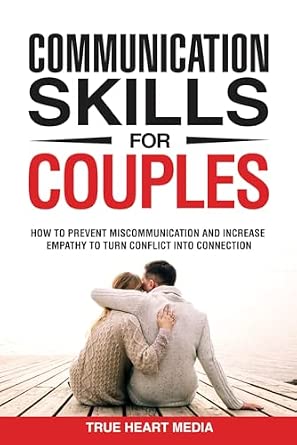
| Communication Skills for Coupl | Print book | Practical strategy guide |
| The Talk Book: with Six Prize- | Paperback book | — |
| Communicate Your Feelings | Book | Practical advice with wording examples |
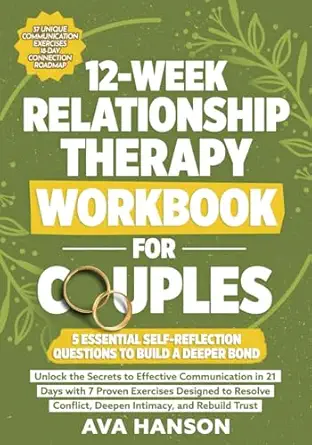
| 12-Week Relationship Therapy W | Couples workbook | Weekly guided activities |
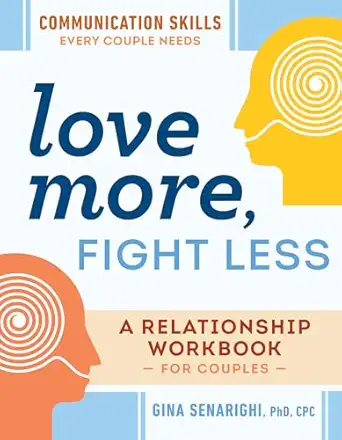
| Love More | Paperback relationship workbook | Exercises and insights for two partners |
| 10 Week Couples Therapy Workbo | Couples therapy workbook | Weekly guided exercises |
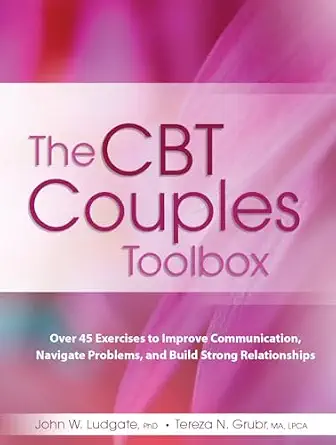
| The CBT Couples Toolbox: Over | Self-guided paperback workbook | — |
| You | Book (print/digital) | — |
| Couples Communication Workbook | Guided couples workbook | Daily guided exercises |
More Details on Our Top Picks
Nonviolent Communication: A Language of Life
If I had to point a couple toward a single book on this list, it would be Nonviolent Communication: A Language of Life. Where most titles here, like Communication Skills for Couples, teach situational tactics, this one rebuilds the underlying habit: separating observation from judgment, then naming feelings and needs before making a request. That framework is why it keeps earning its place decades after publication — the same tools work with a spouse, a teenager, or a coworker, so the learning compounds beyond the relationship. The tradeoff is density. It’s a philosophy first and a workbook never; partners who want fill-in exercises will do better with the 8-Week Couples Therapy Workbook. It also demands real practice before the four-step model stops sounding scripted mid-argument. For couples willing to sit with ideas rather than check boxes, nothing else here goes deeper.
Pros:- Four-step framework that works in any relationship, not just romantic ones
- Teaches the root skill — separating observation from judgment — rather than surface scripts
- Decades of reader trust; the reference point most other couples’ books borrow from
- Skills transfer to parenting, workplace, and family conflict
Cons:- Concept-first writing with no worksheets or guided exercises for learn-by-doing couples
- The model can sound scripted in real arguments until it’s been practiced for a while
- Heavier lift than quick-habit books like Healthy Communication Skills for Couples
Best for: Couples who want one foundational framework they’ll use for years — and who prefer absorbing ideas over filling in worksheets
Not ideal for: Partners in acute crisis who need guided, week-by-week exercises rather than a philosophy they have to internalize
- ASIN / ISBN-10:189200528X
- Format:Print book
- Core framework:Nonviolent Communication: observation, feelings, needs, requests
- Scope:Romantic, family, and professional relationships
- Primary skills:Empathy, listening, conflict resolution
- Learning style:Conceptual reading with self-directed practice
- Time structure:No fixed schedule; ongoing practice
Our verdict“The most durable pick on the list for couples willing to practice a framework rather than follow a program.”
8-Week Couples Therapy Workbook: Essential Strategies to Connect, Improve Communication, and Strengthen Your Relationship
Some couples don’t need more theory; they need a calendar. The 8-Week Couples Therapy Workbook earns its spot by turning vague intentions into a week-by-week plan with exercises both partners do together. Compared with Nonviolent Communication, which asks you to absorb a framework and improvise, this is the opposite trade: less theory, far more structure. That structure is the outcome that matters — a couple that finishes eight weeks of guided practice has actual reps under their belt, not just highlighted pages. The catch is the format itself. Workbooks fail when one partner is lukewarm, and there’s no narrative to carry a reluctant reader through. I’d also note it covers similar ground to the 10- and 12-week workbooks in this roundup in less time, which suits impatient pairs but compresses some topics. Best for couples who want a program, not a philosophy.
Pros:- Clear eight-week structure turns good intentions into scheduled practice
- Exercises are done together, so both partners build the skill at the same pace
- Shorter time commitment than the 10- and 12-week workbooks in this roundup
- Step-by-step format removes the ‘where do we start’ guesswork
Cons:- Falls flat if one partner won’t engage — no narrative to win over a reluctant reader
- Less conceptual depth than framework books like Nonviolent Communication
- Compressed timeline means some topics get lighter treatment
Best for: Two motivated partners who both agree they need help and want a time-boxed program to follow together
Not ideal for: Solo readers, or couples where one partner is already checked out — a workbook can’t carry one-sided effort
- ASIN / ISBN-10:163807948X
- Format:Guided workbook
- Program length:8 weeks
- Structure:Step-by-step weekly exercises
- Focus areas:Communication, emotional connection, relationship strength
- Participation:Both partners working together
- Effort required:Consistent weekly commitment
Our verdict“The right choice for two committed partners who want a plan on the calendar, not more theory on the shelf.”
Healthy Communication Skills for Couples: How to Prevent Miscommunication, Increase Empathy & Effective Listening to Turn Conflict into Connection & Deepen Intimacy in 5 Minutes a Day
The pitch here is a five-minute daily habit, and that constraint is the whole point. Healthy Communication Skills for Couples is built for pairs who will never sit down with a framework text like Nonviolent Communication or commit to the 8-Week Couples Therapy Workbook’s schedule. Short daily exercises around empathy and listening lower the bar enough that practice actually happens — and consistency, not intensity, is what shifts how two people talk to each other. The tradeoff is depth per session: five minutes can open a conversation, but it can’t finish a hard one, so couples in active crisis need more firepower. There’s also limited visibility into the book’s structure before buying, which I’d flag for cautious buyers. For partners whose main problem is that life keeps crowding out the relationship, this is the most realistic entry point on the list.
Pros:- Five-minute daily format fits around work, kids, and low-energy evenings
- Builds empathy and listening through repetition, which is how habits actually stick
- Low barrier to starting — no schedule, no big partner buy-in moment required
- Frames conflict as a connection opportunity rather than a problem to win
Cons:- Five minutes can open a hard conversation but rarely resolve one
- Little advance detail on chapters or structure before purchase
- Daily practice sounds easy but still lapses without both partners committed
Best for: Time-poor couples — new parents, dual-career pairs — who need the smallest daily habit that still counts
Not ideal for: Couples in active crisis who need deep, guided repair work that five-minute sessions can’t deliver
- ASIN:B0FBH7VNNF
- Format:Book
- Daily time requirement:5 minutes a day
- Core skills:Empathy, effective listening, preventing miscommunication
- Stated goal:Turn conflict into connection and deepen intimacy
- Practice style:Short daily exercises
- Commitment level:Daily consistency from both partners
Our verdict“The most realistic starting point for busy couples who would never finish a longer program.”
The Couples Communication Handbook: The Skills You Never Learned for the Marriage You Always Wanted
Where Communication Skills for Couples speaks to any two people in a relationship, The Couples Communication Handbook is written for the specific texture of marriage — shared mortgages, in-laws, years of accumulated shorthand and resentment. Its premise, that the skills for a good marriage are taught nowhere, frames the book as foundational skill-building rather than therapy-lite. Against the 8-Week Couples Therapy Workbook, it reads more like a reference you return to than a program you complete, which suits couples who want to dip into specific problems as they surface. The drawbacks are real: there’s no structured timeline to keep both partners accountable, and with no reader ratings available yet, buyers are going on the premise rather than proven reception. Newlyweds and long-married pairs who want marriage-specific language, not generic couples advice, are the right audience.
Pros:- Written specifically for marriage — advice fits shared lives and long history
- Reference-style format lets couples jump to the skill they need in the moment
- Frames communication as learnable skills, which lowers the shame factor
Cons:- No structured timeline, so accountability depends entirely on the couple
- No reader ratings or reviews available yet to gauge reception
- Overlaps with broader guides like Communication Skills for Couples if marriage isn’t the focus
Best for: Married couples — newlywed or decades in — who want advice calibrated to married life specifically
Not ideal for: Unmarried or dating couples, who will get more from the broader framing of Communication Skills for Couples
- ASIN:B0DMPL6B61
- Format:Book
- Target relationship:Marriage specifically
- Core skills:Understanding, connection, conflict resolution
- Framing:Skill-building for the marriage you always wanted
- Reader ratings:None available yet
- Use style:Reference-style; dip into topics as needed
Our verdict“A marriage-first handbook worth picking over general guides if — and only if — marriage is the context.”
Communication Skills for Couples: Guide to Improve Communication, Resolve Conflict, Deepen Intimacy, Strengthen Marriage, and Create a Healthy Relationship
Every roundup needs a plain-spoken starting point, and that’s the role Communication Skills for Couples fills. It covers the expected ground — resolving conflict, deepening intimacy, strengthening a marriage — in a direct guide format that doesn’t ask for the daily commitment of Healthy Communication Skills for Couples or the eight-week buy-in of the 8-Week Couples Therapy Workbook. For someone who has never read a relationship book, that breadth is the appeal: you get a map of the territory before choosing where to dig. Breadth is also the limitation. Couples who have already done reading in this space will find little that feels new, and with no customer ratings yet, there’s no crowd wisdom to lean on. I’d treat it as a first book, not a final answer — the title you hand a friend who just asked where to start.
Pros:- Covers the full arc — conflict, intimacy, marriage strength — in one plain guide
- No daily or weekly schedule, so readers move at their own pace
- Accessible entry point before committing to structured programs like the 8-Week Couples Therapy Workbook
Cons:- Breadth comes at the cost of depth; experienced readers will find familiar ground
- No customer ratings available, so there’s no track record to check
- Generic framing means less tailored advice than niche picks like The Couples Communication Handbook
Best for: First-time readers of relationship books who want a broad orientation before choosing a deeper method
Not ideal for: Couples who’ve already read in this genre — they’ll outgrow it fast and should start with Nonviolent Communication
- ASIN / ISBN-10:1069108952
- Format:Print book
- Focus areas:Communication, conflict resolution, intimacy
- Relationship stage:Dating through marriage
- Structure:Practical strategy guide
- Pace:Self-directed, no fixed schedule
- Reader ratings:None available yet
Our verdict“A sensible first book for beginners, with the understanding that it’s a map, not the territory.”
The Talk Book: with Six Prize-Winning Talk Tools That Strengthen Relationships and Repair Communication Breakdowns
Where most books in this roundup teach couples how to talk better day to day, The Talk Book aims squarely at the moment things have already gone wrong. Its six talk tools are built around repairing communication breakdowns, which gives it a different job than a structured program like the 12-Week Relationship Therapy Workbook — this is a manual you reach for mid-conflict, not a course you work through. I see it as the most targeted option here: fewer moving parts than Love More, Fight Less, and easier to dip into when a specific conversation keeps failing. The tradeoff is scope. Couples wanting worksheets or a longer arc of growth will get more from a workbook, and the lean format means less depth on intimacy and trust than the therapy-style picks.
Pros:- Six clearly defined tools keep the advice concrete and easy to apply
- Built specifically for repairing conversations that have already broken down
- Short, focused format is easy to revisit in the middle of a conflict
- Covers both strengthening habits and repair work, not just prevention
Cons:- No worksheets or structured exercises for ongoing practice
- Lighter on intimacy and trust-building than the therapy workbooks
- No customer ratings available to gauge real-world results
Best for: Couples whose fights follow the same broken script and who want concrete repair tools they can pull out mid-argument
Not ideal for: Partners wanting a guided multi-week program with exercises — this is a reference manual, not a course
- Format:Paperback book
- Print ISBN-10:1439246890
- Core framework:Six talk tools
- Primary focus:Repairing communication breakdowns
- Secondary focus:Strengthening relationships
- Approach:Tool-based practical strategies
- Audience:Couples and partners in relationships
Our verdict“If your conversations keep breaking down in the same places, this is the most focused repair kit in the roundup.”
Communicate Your Feelings (Without Starting a Fight): What to Say and What Not to Say to Your Partner
Communicate Your Feelings (Without Starting a Fight) is the pick I’d hand someone who freezes the moment a hard conversation starts. Its whole premise — what to say and what not to say — makes it the most script-driven option in this lineup, closer to a phrasebook than a theory of communication. Compared with The Talk Book, which organizes its advice around six tools, this one stays even more concrete: specific wording for expressing feelings without triggering a fight. That narrowness is both the appeal and the limit. It won’t walk a couple through rebuilding trust the way the 10 Week Couples Therapy Workbook does, and readers who want exercises to practice together will find it thin. For a first step before deeper work, though, it lowers the barrier to simply opening your mouth.
Pros:- Gives exact wording for hard moments, not just theory
- Explicitly designed to keep talks from escalating into fights
- Narrow focus makes it a fast, low-commitment read
- Works well as a first step before deeper workbook practice
Cons:- No exercises for couples to practice together
- Doesn’t address deeper trust or intimacy repair
- Script-based approach can feel rigid for complex, layered conflicts
Best for: Anyone who knows what they feel but freezes or says the wrong thing when they try to say it out loud
Not ideal for: Couples wanting shared exercises and long-term structure — it’s a wording guide for one partner, not a joint program
- Format:Book
- Primary focus:Expressing feelings without conflict
- Approach:What-to-say and what-not-to-say guidance
- Skill areas:Emotional expression, conflict prevention
- Structure:Practical advice with wording examples
- Audience:Partners in romantic relationships
- Goal:Healthier communication and mutual understanding
Our verdict“Buy this if your main problem is finding the right words under pressure, then pair it with a workbook later if you want practice.”
12-Week Relationship Therapy Workbook for Couples
Among the workbooks in this roundup, the 12-Week Relationship Therapy Workbook for Couples asks for the most patience and gives back the most structure. Where the 10 Week Couples Therapy Workbook leans on emotionally focused therapy techniques, this one organizes itself around seven core exercises revisited across twelve weeks, which suits couples who learn by repetition rather than by reading. I’d place it above the shorter 8-week options for anyone rebuilding after a serious rough patch, since the longer timeline covers conflict, intimacy, and trust without rushing. The catch is commitment: twelve weeks is a real ask for couples who struggle to sit down together, and partners wanting quick scripts for tonight’s argument will be better served by Communicate Your Feelings (Without Starting a Fight).
Pros:- Twelve-week arc gives new habits time to actually stick
- Seven repeated exercises suit couples who learn by doing
- Covers conflict, intimacy, and trust in one program
- Structured weekly format removes guesswork about what to do next
Cons:- Requires a three-month commitment some couples won’t sustain
- Far fewer exercises than toolbox-style books like The CBT Couples Toolbox (45+)
- Little detail available about the exercise content before buying
Best for: Committed couples rebuilding after a rough stretch who learn through repetition and want a clear weekly plan
Not ideal for: Couples who need help tonight — the slow twelve-week arc won’t deliver quick scripts for an active conflict
- Format:Couples workbook
- Program length:12 weeks
- Exercises:7 core exercises
- Skill areas:Communication, conflict resolution, intimacy, trust
- Structure:Weekly guided activities
- Approach:Structured self-guided program
- Audience:Couples seeking relationship improvement
Our verdict“Choose this if you want the longest, most structured program here and will genuinely show up for all twelve weeks.”
Love More, Fight Less: Communication Skills Every Couple Needs
Love More, Fight Less earns the top spot because it balances the two things most couples need at once: usable communication skills and exercises that turn them into habit. Unlike The Talk Book, which is a repair kit for broken conversations, this workbook covers the full cycle — expressing needs, de-escalating fights, rebuilding closeness — in a format both partners work through together. Compared with the 12-Week Relationship Therapy Workbook, it reads less like a fixed curriculum and more like a practice book you move through at your own pace, which makes it easier to actually finish. The tradeoff is depth: couples in serious distress may want the therapy-grade framing of the 10 Week Couples Therapy Workbook, and the self-guided format depends on both partners showing up willingly.
Pros:- Blends skills teaching with couples exercises in one workbook
- Covers the full conflict cycle, from triggers to repair
- Self-paced format is easier to finish than fixed-week programs
- Accessible entry point for couples new to relationship work
Cons:- Lacks the clinical framework of therapy-grade workbooks
- Progress depends on both partners participating willingly
- No supplementary materials like audio or online tools
Best for: Couples new to relationship work who want one book that teaches skills and turns them into shared practice
Not ideal for: Partners in serious distress or already considering therapy — they’ll want the clinical grounding of the 10 Week Couples Therapy Workbook
- Format:Paperback relationship workbook
- Print ISBN-10:0593196651
- Primary focus:Communication skills for couples
- Skill areas:Conflict resolution, understanding, intimacy
- Structure:Exercises and insights for two partners
- Pace:Self-guided
- Audience:Couples seeking to strengthen their bond
Our verdict“The easiest all-around recommendation in this lineup: practical skills plus joint exercises in a format couples actually finish.”
10 Week Couples Therapy Workbook: Improving Communication, Trust, and Intimacy
The 10 Week Couples Therapy Workbook is the closest thing here to sitting in a counselor’s office. It’s built on emotionally focused therapy techniques — the same framework many marriage counselors use — and it’s designed to work either as self-help or alongside professional counseling. That makes it a stronger pick than Love More, Fight Less for couples whose problems run deeper than everyday bickering, and a more clinically grounded alternative to the 12-Week Relationship Therapy Workbook. The downside is weight. EFT material asks partners to sit with uncomfortable emotions rather than just swap scripts, so it can feel heavy without a therapist in the room, and couples looking for light, five-minute-a-day habits should start elsewhere in this list.
Pros:- Grounded in emotionally focused therapy, a widely used counseling method
- Ten-week structure balances depth with a defined finish line
- Designed to work with or without a professional counselor
- Targets trust and intimacy, not just surface-level arguing
Cons:- Emotionally demanding material can feel heavy without a therapist’s guidance
- More intense than habit-based books for couples with mild issues
- No customer ratings available yet to confirm usability
Best for: Couples in counseling, or considering it, who want therapy-grade EFT exercises to work through between sessions
Not ideal for: Partners looking for light daily habits — the emotionally focused material demands real vulnerability and time
- Format:Couples therapy workbook
- Program length:10 weeks
- Therapeutic basis:Emotionally focused therapy (EFT) techniques
- Skill areas:Communication, trust, intimacy
- Use cases:Marriage counseling support or self-help
- Structure:Weekly guided exercises
- Audience:Couples; suitable with therapist guidance
Our verdict“The right pick for couples who want counseling-level work at home, especially alongside a therapist.”
The CBT Couples Toolbox: Over 45 Exercises to Improve Communication, Navigate Problems and Build Strong Relationships
I put The CBT Couples Toolbox at the top of this roundup because it does more than teach scripts — it retrains the habits behind bad conversations. The 45-plus exercises are grounded in cognitive behavioral therapy, the same framework many counselors use in session, so couples learn to catch the thought patterns that turn small disagreements into blowups. Where the Couples Communication Workbook compresses everything into 12 days, this one rewards a slower, repeat-visit approach; I’d treat it as a reference you return to whenever a new issue surfaces. The tradeoff is real, though: it asks for genuine follow-through, and couples hunting for a fast script to end tonight’s argument will get little from it in the short term. Compared with Love More, Fight Less, it skews more clinical and less warm, which suits self-motivated pairs better than reluctant ones.
Pros:- 45+ exercises rooted in CBT, the framework many couples therapists actually use
- Targets the thought patterns behind conflicts, not just surface-level scripts
- Broad coverage of communication, problem-solving, and long-term relationship habits
- Works as an ongoing reference couples can revisit as new issues come up
Cons:- Demands real commitment — skip sessions and the method falls apart
- Clinical tone can feel like homework, which reluctant partners may resist
Best for: Couples who want therapist-grade structure and are willing to practice exercises together over weeks, not days
Not ideal for: Partners looking for a fast script to defuse one specific fight — the method needs consistent repetition to pay off
- Format:Self-guided paperback workbook
- Approach:Cognitive behavioral therapy (CBT)
- Exercises included:45+
- Focus areas:Communication, problem-solving, relationship building
- Participation:Designed for both partners working together
- Time commitment:Ongoing practice; no fixed program length
- ISBN-10:1683731026
Our verdict“The strongest all-around pick for couples who will put in steady practice and want exercises a therapist would recognize.”
You, Me & AuDHD: Relationship Tools for Adults with Autism & ADHD
Most books in this lineup assume both partners process emotion and conversation the same way; You, Me & AuDHD starts from the opposite premise. It’s written for adults with autism and ADHD, plus the people who love them, so the strategies account for sensory overload, missed cues, and the misunderstandings that generic advice — even a classic like Nonviolent Communication: A Language of Life — wasn’t built to handle. I’d also point partners and caregivers here, since the guidance works from both sides of the conversation. The honest tradeoff: the listing is thin on published details and reader reviews, so buyers go in with less evidence than they get from The CBT Couples Toolbox, and couples without neurodivergence in the mix will find much of it beside the point. For its intended audience, nothing else in this roundup comes close.
Pros:- Written specifically for autism + ADHD relationship dynamics, a gap most couples books ignore
- Addresses both perspectives — the neurodivergent partner and the person alongside them
- Practical strategies rather than abstract theory
- Speaks to caregivers as well as partners
Cons:- Listing lacks detailed specs and reader feedback, making it harder to vet before buying
- Scope stays narrow — little here for couples outside the AuDHD experience
Best for: Couples where one or both partners are autistic or have ADHD, and who find mainstream communication advice misses how their brains work
Not ideal for: Neurotypical couples — the strategies are tuned to AuDHD-specific dynamics and won’t land the same way
- Format:Book (print/digital)
- Primary audience:Adults with autism and ADHD (AuDHD)
- Secondary audience:Partners and caregivers
- Focus:Communication and mutual understanding in neurodivergent relationships
- Content type:Practical relationship strategies
- Scope:Relationships affected by AuDHD
- ASIN:B0DZVSDC7W
Our verdict“The clear pick for neurodivergent couples who have found every mainstream communication book slightly off-target.”
Couples Communication Workbook: 20 Minutes a Day for 12 Days to Improve Listening, Resolve Conflicts, and Strengthen Your Relationship
If the multi-week programs in this roundup — the 8-Week Couples Therapy Workbook, the 12-Week Relationship Therapy Workbook — sound like more than your calendar can hold, Couples Communication Workbook is my recommendation for starting anyway. It promises a 12-day program at 20 minutes a day, short enough that even skeptical partners usually agree to try it, and the daily structure builds a talking habit instead of dumping theory on you. The focus areas are the right ones: listening, conflict resolution, and simply finishing the course. What you give up is depth — compared with The CBT Couples Toolbox, there’s far less material to fall back on once day twelve passes, and the listing offers little detail about what’s inside. I see it as an on-ramp: finish it, then decide whether you need the heavier workbooks.
Pros:- Gentle entry point: 20 minutes a day for 12 days is an easy yes
- Daily structure builds a talking habit instead of front-loading theory
- Targets the core skills — listening and conflict resolution
Cons:- Far less depth than multi-week workbooks; light on material after day twelve
- Scant published detail about contents or approach
- Still requires both partners showing up daily — skipped days break the program
Best for: Couples new to structured communication work who want a low-pressure, two-week trial before committing to a longer program
Not ideal for: Couples in entrenched, long-running conflict — twelve short sessions won’t provide enough material to work through deep patterns
- Format:Guided couples workbook
- Program length:12 days
- Daily commitment:20 minutes
- Focus areas:Listening, conflict resolution, relationship strengthening
- Structure:Daily guided exercises
- Skill level:Beginner-friendly
- ASIN:B0FR3GTCFY
Our verdict“The best first step for couples who want proof they can stick with this before buying a heavier program.”

How We Picked
I evaluated each tool on five criteria: how actionable the exercises are, the realistic time commitment required, whether the advice holds up during active conflict rather than only in calm reflection, how well it serves different relationship types, and overall value for the price of a paperback. Tools that translate directly into repeatable daily habits ranked above those offering insight without practice.
The ranking logic: books with structured practice — prompts, scripts, weekly exercises — outranked pure theory, and shorter, sustainable formats outranked longer programs with higher drop-off risk. Specialist titles like You, Me & AuDHD sit lower on the main list not because they are weaker, but because they serve a narrower audience; for the right reader, that pick outperforms everything above it. Classic frameworks like Nonviolent Communication land mid-table: foundational value, but they demand more work before couples feel the difference in day-to-day arguments.
Factors to Consider When Choosing Relationship Communication Tools
The reviews above tell you what each tool contains; this guide covers how I would choose between formats before spending anything. The couples who get the most from these books are the ones who match the format to their actual problem, their schedule, and how both partners prefer to learn.
Match the Format to the Actual Problem
The biggest buying mistake in this category is treating all communication tools as interchangeable. A theory-heavy framework book like Nonviolent Communication teaches a new way to speak and listen, but it will not hand you a phrase to use tonight when an argument is already heating up. A script-style book does the opposite: immediate language for hard moments, less long-term skill building. Guided workbooks sit between the two, trading depth for structure with prompts, checklists, and weekly exercises. Before choosing, name the problem plainly — are you trying to stop fights, rebuild emotional closeness, or simply understand each other better? Each goal points to a different format, and buying the wrong one is the main reason these books end up abandoned on a nightstand.
Be Honest About the Time You Will Actually Commit
Programs in this lineup range from five minutes a day to twelve full weeks of scheduled sessions, and that gap matters more than any content difference. A longer workbook only outperforms a short one if both partners finish it, and follow-through drops sharply past the four-week mark for most households. If your schedule is unpredictable or motivation runs uneven, a daily-habit format with a tiny time ask will beat an ambitious program every time, because repetition is what rewires how you speak under stress. Couples who already keep shared routines — meal planning, budgeting nights, synced calendars — are the ones who can sustain a 10- or 12-week structure. Decide which description fits your household before paying for length you will never use.
Frameworks, Scripts, and Exercises Pay Off on Different Timelines
Every tool in this category falls into one of three payoff patterns. Frameworks demand the most upfront effort — you learn principles, then slowly apply them — but the skill transfers to every conversation you will ever have, including ones with kids, coworkers, and family. Scripts pay off immediately and depreciate just as fast: once the specific phrases stop fitting your situations, the book has little left to give. Exercise-based workbooks land in the middle, building habits over weeks with moderate staying power. None of these is inherently better; the mistake is expecting one payoff pattern from a product built on another. Buyers who want lifetime value should weight frameworks, while buyers in an acutely rough patch should weight scripts and treat deeper work as the follow-up purchase.
Know When Generic Advice Stops Working
Most couples communication books assume two neurotypical partners with roughly similar processing styles, and that assumption quietly breaks for a large share of readers. If autism, ADHD, or AuDHD shapes how either partner experiences conflict — shutdowns, sensory overload, rejection sensitivity, literal interpretation of language — generic advice can backfire by framing neurological differences as attitude problems. Specialist titles exist for exactly this gap, and they should be a first purchase rather than an afterthought for those households. The same logic applies to relationships dealing with betrayal, addiction, or contempt that has turned personal: a book is a maintenance and skills tool, not crisis care. Spending fifteen dollars on the wrong tier of help costs more in the long run than spending more on the right tier from the start.
The Three Mistakes That Waste the Most Money
Across this category, three buying patterns predict disappointment. The first is reading without practicing: couples finish a book, feel briefly optimistic, and change nothing because insight without repetition fades within days. The second is one partner working alone on a tool designed for two — a single reader can shift dynamics with script-style books, but paired workbooks lose most of their value when only one person does the prompts. The third is stacking purchases: buying three titles at once usually means finishing none, and the overlap between these books is high enough that one completed program beats three half-read ones. Pick a single tool matched to your problem, commit to its full timeline, and only then decide whether a second one would cover a gap it left behind.
Frequently Asked Questions
Can a relationship communication book replace couples therapy?
For most couples, no — and the best books in this category say so themselves. These tools work well for prevention, skill building, and mild-to-moderate friction: learning to listen, phrasing complaints without blame, and building habits of appreciation. They are not built for betrayal, addiction, abuse, or contempt that has turned personal, where a trained third party matters more than any exercise. The structured therapy workbooks in this roundup mirror the arc of counseling sessions and work well between appointments or while you wait for an opening, which makes them strong companions to professional help rather than substitutes. If you are unsure which situation you are in, a single consultation with a licensed therapist will tell you more than any book can.
Do both partners need to use the tool for it to work?
It depends on the format. Paired workbooks with joint exercises lose most of their value when only one person participates, so they are a poor buy if your partner is reluctant. Script-style books and frameworks are different: one person consistently changing how they phrase complaints, raise concerns, and respond under stress measurably shifts the tone of arguments, because conflict is a loop that changes when one side of it changes. If you expect resistance, start with a solo-friendly title, let the results make the case, and move to a paired program once your partner sees the difference. Buying a two-person workbook as a surprise or an ultimatum rarely ends well.
How long before these tools actually change how we argue?
Realistic timelines depend on format. Daily-habit books with five-to-twenty-minute exercises typically produce noticeable shifts within two to four weeks, because small repetitions accumulate faster than occasional long sessions. Multi-week programs follow their stated schedules, with the biggest gains clustering in the second half once trust exercises build on early communication basics. Framework books take the longest — expect months of deliberate practice before the new language feels natural under stress. Across all formats, consistency beats intensity: couples who do short exercises five days a week outpace couples who binge a chapter on Sunday and skip the rest. If nothing has changed after six consistent weeks, the issue likely sits deeper than communication style.
What is the actual difference between a communication workbook and a communication book?
A communication book is written to be read: chapters explain concepts, share examples, and offer advice you absorb and apply on your own. A workbook is written to be used: it includes writing prompts, joint exercises, checklists, and scheduled sessions, and its value lives in the doing rather than the reading. Books suit self-directed learners who take ideas and run with them; workbooks suit couples who know they will not follow through without structure and deadlines. The price difference between the two is usually small, so the decision should rest on follow-through style rather than cost. If past self-help purchases have gone unfinished, buy the workbook — the built-in schedule does the work your motivation could not.
We keep having the same fight on repeat. Which type of tool helps with that?
A recurring fight about one topic — money, chores, intimacy, in-laws — usually signals a pattern problem rather than a topic problem, which is why arguing the content never resolves it. Structured programs are the strongest fit here because they sequence skill building before tackling hot-button issues, so you reach the hard topic with better tools already in place. A CBT-based exercise book is a close second, since it targets the thought patterns and reactions that keep the loop running. Script books help in the moment but do not break the cycle on their own. If the repeated fight involves neurodivergence on either side, skip generic programs and start with a specialist title, because standard advice often misreads the mechanics of that conflict.
Conclusion
After weighing all 13 tools against each other, my recommendation comes down to who you are as a couple and how you actually follow through. For most couples, Healthy Communication Skills for Couples is the best overall pick because its five-minute daily format is the one most likely to survive a busy household. If budget drives the decision, Communication Skills for Couples covers the same core ground — conflict resolution, intimacy, listening — at a best-value price without locking you into a schedule. Beginners who have never done structured relationship work should start with the Couples Communication Workbook and its twelve-day ramp, the gentlest on-ramp in the lineup. For the deepest long-term investment, Nonviolent Communication: A Language of Life is the premium choice — slower to absorb, but the one skill set that keeps paying off across every relationship you have. Couples who want a guided program should take the 8-Week Couples Therapy Workbook, and partnerships shaped by autism or ADHD should skip the general list and go straight to You, Me & AuDHD, the only pick written for how your brains actually process conflict.
Flea & tick season Picks
flea and tick prevention
As an affiliate, we earn on qualifying purchases.