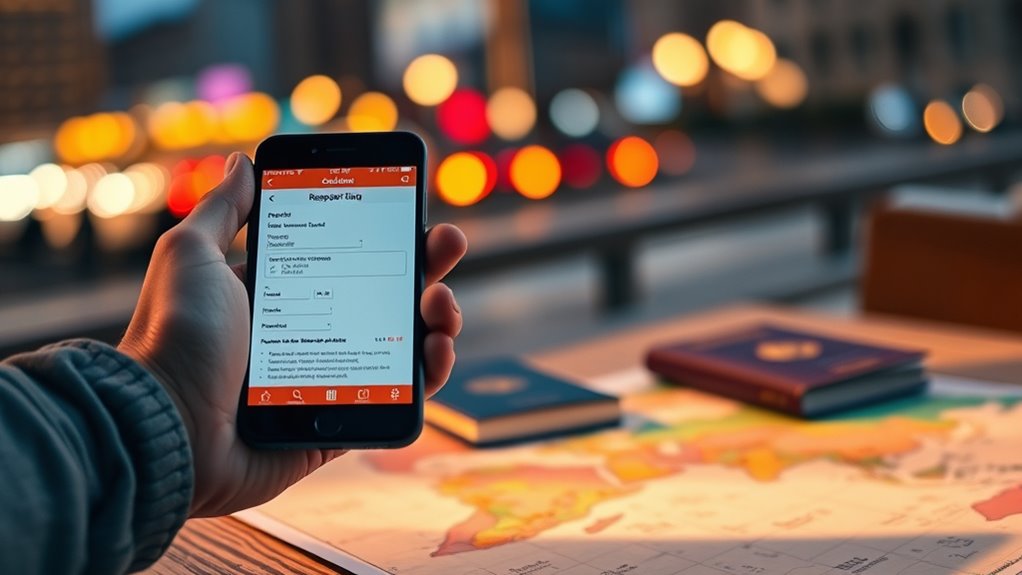

If you suspect you’ve been scammed as a foreigner, act quickly by gathering all related emails, messages, and transaction records to document the incident. Contact your bank immediately to report unauthorized activity and request account freezes. Report the scam to local law enforcement and online platforms where it occurred, providing all evidence. Consider notifying your embassy or consulate for additional support. Staying organized now helps you understand your options—continue to learn how to protect yourself effectively.

Get gifts for the two of you delivered free with Prime
- Fast, free delivery on millions of items
- Prime Video, Amazon Music and more included
- Member-only deals all year
Key Takeaways
- Collect and preserve all evidence such as emails, messages, transaction records, and suspicious links related to the scam.
- Immediately notify your bank or financial institution, request account freezes, and change online passwords for added security.
- File a detailed report with local law enforcement and provide all evidence to support the investigation.
- Report the scam on relevant online platforms or social media to help prevent others from falling victim.
- Monitor your credit reports regularly and notify consumer protection agencies or your embassy for further assistance.

If you suspect you’ve been scammed, taking quick and clear action is essential. Whether it’s a case of identity theft or online fraud, acting swiftly can help minimize damage and protect your personal information. The first step is to gather all evidence related to the scam. Save emails, messages, transaction records, and any other communication that might help authorities understand what happened. This documentation is crucial when filing reports or disputing charges later on.
Next, you should contact your bank or financial institution immediately if you notice unauthorized transactions. They can freeze your accounts or credit cards to prevent further losses. Many banks have dedicated fraud departments that handle online fraud incidents, so don’t hesitate to escalate the issue. Also, consider changing your online passwords, especially for banking and email accounts. Use strong, unique passwords to make it harder for scammers to access your accounts again.
Contact your bank immediately if you notice suspicious transactions; they can freeze accounts and advise on secure password changes.
Reporting the scam to local law enforcement is an important step, even if you’re a foreigner. Many countries have specialized units for cybercrime and fraud, and filing a report creates an official record of the incident. This can be valuable if you need to dispute charges or seek legal help later. When you visit the police station or contact them online, bring all your evidence and be prepared to describe the scam in detail. Be honest and precise about how you were targeted, what information was compromised, and what steps you’ve already taken.
In addition to local authorities, you should report online fraud to relevant online platforms or websites where the scam occurred. Many social media sites, auction platforms, or marketplaces have reporting mechanisms to address scams and fraudulent activity. Reporting these incidents can help prevent other users from falling victim to the same scammer.
For identity theft specifically, it’s indispensable to notify your country’s consumer protection agency or financial regulatory body. They can guide you through the process of freezing your credit report or placing fraud alerts. In some countries, you might also need to contact your embassy or consulate for additional support or guidance, especially if you’re a foreigner unfamiliar with local procedures.
It is also advisable to consult with a financial professional to understand how the scam might impact your overall financial situation and to develop a plan for recovery.
Finally, consider monitoring your credit reports regularly after the incident. Many countries offer free or paid credit monitoring services that alert you to suspicious activity. Being proactive helps catch any further attempts at identity theft early. Remember, the faster you act, the better your chances of minimizing damage and reclaiming control over your personal information.
As an affiliate, we earn on qualifying purchases.
Frequently Asked Questions
Can I File a Report Anonymously as a Foreigner?
Yes, you can file an anonymous report as a foreigner if you have privacy concerns. Many agencies offer anonymous reporting options to protect your identity while allowing you to share details of the scam. This way, you can seek help without revealing personal information. Just check the specific agency’s procedures for anonymous reporting, and rest assured your privacy is prioritized during the process.
How Long Do I Have to Report a Scam?
You might think you have unlimited time to report a scam, but that’s not true. Reporting deadlines and legal timeframes vary depending on your country and the type of scam. Generally, it’s best to act quickly—ideally within a few days or weeks—since delays can complicate investigations. To guarantee your report is valid, file it as soon as possible, and check local laws for specific time limits.
What Evidence Should I Collect Before Reporting?
Before reporting, you should gather documented proof like emails, receipts, or bank statements that show the scam. Collect any eyewitness accounts from people who saw the incident or interacted with the scammer. Take screenshots of messages or websites involved. This evidence strengthens your case and makes it easier for authorities to understand what happened. Being thorough with your documentation can markedly improve your chances of a successful report.
Will Reporting Affect My Visa or Immigration Status?
Think of reporting as steering through a maze—sometimes it feels intimidating, but it’s essential. Reporting a scam generally won’t affect your visa implications or immigration status if you’re honest and cooperate fully. Authorities understand your concerns as a foreigner and won’t penalize you for seeking help. However, always keep records and communicate clearly to protect your immigration status, ensuring your actions work as your compass rather than a dead end.
Can I Report Scams Involving Online Transactions?
Yes, you can report scams involving online transactions to improve online security and help prevent future scams. When you report, you assist authorities in tracking scam patterns and protecting others. Be sure to provide detailed information about the transaction, including dates, amounts, and any suspicious activity. Your proactive step not only helps prevent scam prevention but also supports efforts to reduce online fraud, safeguarding your digital environment.
portable document organizer for travelers
As an affiliate, we earn on qualifying purchases.
As an affiliate, we earn on qualifying purchases.
Conclusion
Remember, just like Odysseus steering through treacherous waters, you’re not alone in this journey. Filing a report is your compass to steer back to safety and justice. Trust in the process, stay persistent, and don’t hesitate to seek help when needed. With courage and clarity, you can turn the tide against scammers and find your way back to secure shores. Your story isn’t over—it’s a new chapter waiting to be written.
As an affiliate, we earn on qualifying purchases.
As an affiliate, we earn on qualifying purchases.
Fall Picks
fall essentials
As an affiliate, we earn on qualifying purchases.