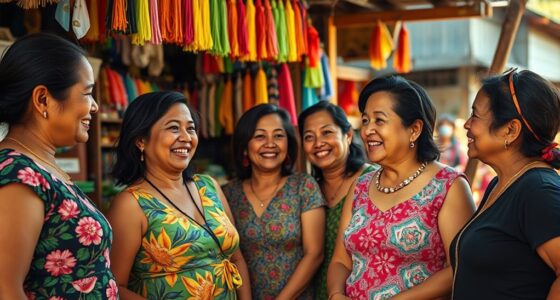

Understanding a Filipina’s sense of debt of gratitude reveals how it deeply influences her relationship with you. It’s more than politeness—it’s about loyalty, respect, and reciprocal care rooted in her culture. She shows her gratitude through ongoing actions, words, and prioritizing your needs. This bond creates trust and a genuine emotional connection that goes beyond transactional gestures. If you want to explore how this culture shapes her behavior and your relationship, you’re about to discover more.
Key Takeaways
- In Filipino culture, utang na loob signifies a deep, ongoing moral obligation rooted in genuine kindness and emotional connection.
- Expressing debt of gratitude involves actions of support and reciprocation, reflecting loyalty and mutual respect.
- It fosters trust and strengthens relationships by emphasizing sincerity, care, and long-term commitment beyond transactional favors.
- The sense of indebtedness encourages Filipinas to prioritize others’ needs as a moral duty, reinforcing cultural values.
- Understanding this cultural concept helps appreciate the emotional power behind Filipino gestures of gratitude and relationship dynamics.
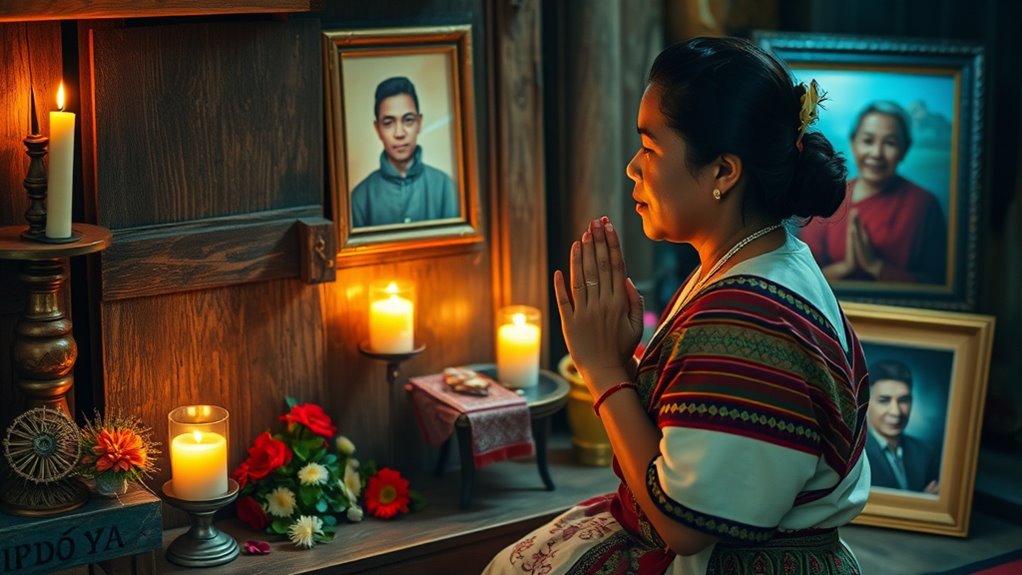
A debt of gratitude is more than just a polite gesture; it’s a profound acknowledgment of the kindness and support you’ve received. In Filipino culture, this concept, known as utang na loob, runs deep and shapes relationships in ways that might seem unique to outsiders. It’s not merely about owing someone a favor; it’s about recognizing a bond that’s rooted in a shared sense of loyalty, respect, and reciprocal care. When your Filipina friend or partner shows gratitude, she’s expressing more than thanks — she’s honoring a cultural tradition that emphasizes the emotional impact of genuine kindness. Understanding utang na loob can help you appreciate the profound emotional significance it holds. For Filipinas, this isn’t a transactional exchange; it’s an enduring connection that creates a sense of obligation and trust. When you help her during difficult times or go out of your way to support her family, she feels that she owes you not just a favor but a heartfelt debt that must be acknowledged and, in many cases, repaid in kind. This isn’t about keeping score but about nurturing the relationship through mutual respect and care. The emotional impact of this cultural value is powerful; it fosters a sense of responsibility that binds people together, often beyond words or material exchanges. Recognizing that cultural values such as utang na loob influence interpersonal dynamics can deepen your understanding of Filipino relationships. In Filipino society, utang na loob influences how people interact and build relationships. It’s a way of showing sincerity and deep appreciation that transcends superficial gestures. When she expresses her gratitude, it’s often through actions or words that reflect her understanding of this cultural significance. She might go out of her way to support you in return or prioritize your needs because she feels a moral obligation rooted in her cultural identity. This creates a cycle of reciprocity that sustains long-term bonds and strengthens trust.
Frequently Asked Questions
How Does Utang Na Loob Influence Filipina Relationships?
You’ll find that utang na loob deeply influences your Filipina’s relationships by emphasizing family loyalty and social obligation. She feels a strong sense of duty to reciprocate kindness, which fosters trust and closeness. This cultural value encourages her to prioritize family and community, often going above and beyond to honor her commitments. Understanding this helps you appreciate her actions rooted in gratitude, strengthening your bond through mutual respect and shared cultural values.
Can Utang Na Loob Be Repaid Financially or Emotionally?
Yes, utang na loob can be repaid both financially and emotionally. You show emotional reciprocity by expressing gratitude and supporting your Filipina in meaningful ways, strengthening your bond. Financial obligations may also be part of repaying this debt, like helping her in times of need. Remember, the essence of utang na loob is genuine appreciation, so balancing emotional support with financial help reflects your sincerity and respect for her culture.
What Are Common Situations That Trigger Debt of Gratitude?
A debt of gratitude often arises when you help with family obligations or community favors, because “a friend in need is a friend indeed.” You might feel compelled to repay this kindness emotionally or financially. These situations create a sense of obligation, making your Filipina feel she owes you deeply. She’ll cherish your generosity and may go out of her way to reciprocate, strengthening your bond through gratitude.
How Does Utang Na Loob Differ From Debt in Other Cultures?
You’ll find that utang na loob differs from debts in other cultures because it’s rooted in cultural expectations and emotional bonds. Instead of just a financial obligation, it’s a deep sense of gratitude and loyalty that influences your Filipina’s actions. She may feel compelled to reciprocate kindness, maintaining harmony and trust. This emotional connection makes the debt more personal, extending beyond material exchanges to lasting relationships.
Are There Negative Consequences of an Excessive Sense of Utang Na Loob?
An excessive sense of utang na loob can lead to negative consequences like guilt accumulation and emotional dependency. You might feel overwhelmed by the constant obligation to reciprocate favors, which strains your mental health. This emotional burden can cause you to suppress your own needs, fostering unhealthy dependence on others. Recognizing these risks helps maintain a healthy balance, ensuring gratitude remains genuine without becoming a source of stress or emotional entrapment.
Conclusion
Your Filipina’s debt of gratitude is like a steady river, flowing quietly beneath her actions and words. It’s a declaration to the sacrifices, love, and support she’s received—an unspoken promise she carries in her heart. Recognizing this helps you understand her deeper motivations and the strength behind her kindness. When you see her give, remember it’s not just generosity, but a gift rooted in a well of gratitude that runs deep as the ocean.