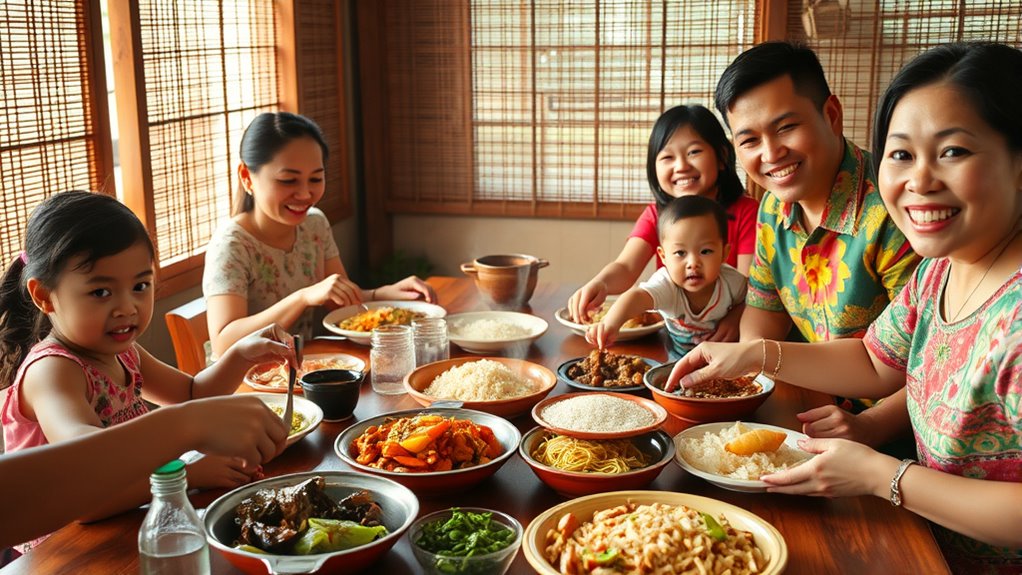

In Filipino culture, sharing food and hospitality is a heartfelt way to show you care and strengthen bonds. When you invite others to eat or offer gifts during gatherings, you’re expressing generosity, respect, and a sense of community. These acts go beyond nourishment—they symbolize unity, gratitude, and nurturing relationships. If you want to understand how deeply these traditions reflect Filipino values and their cultural significance, there’s more to uncover about their meaningful ways of caring.

Get gifts for the two of you delivered free — and shop member deals
- Fast, free delivery on millions of items
- Access to Prime Big Deal Days deals on October 6–7
- Prime Video, Amazon Music and more included
Key Takeaways
- Sharing meals in Filipino culture symbolizes generosity, unity, and strengthening bonds among family and community members.
- Food offerings reflect respect and nurturing, fostering a sense of inclusion and abundance during gatherings.
- Gift giving, such as local delicacies or handwritten notes, reinforces social bonds and expresses gratitude sincerely.
- Caring practices are rooted in core Filipino values like warmth, hospitality, and genuine concern for others.
- These traditions create meaningful moments that celebrate togetherness, cultural pride, and the importance of caring beyond words.
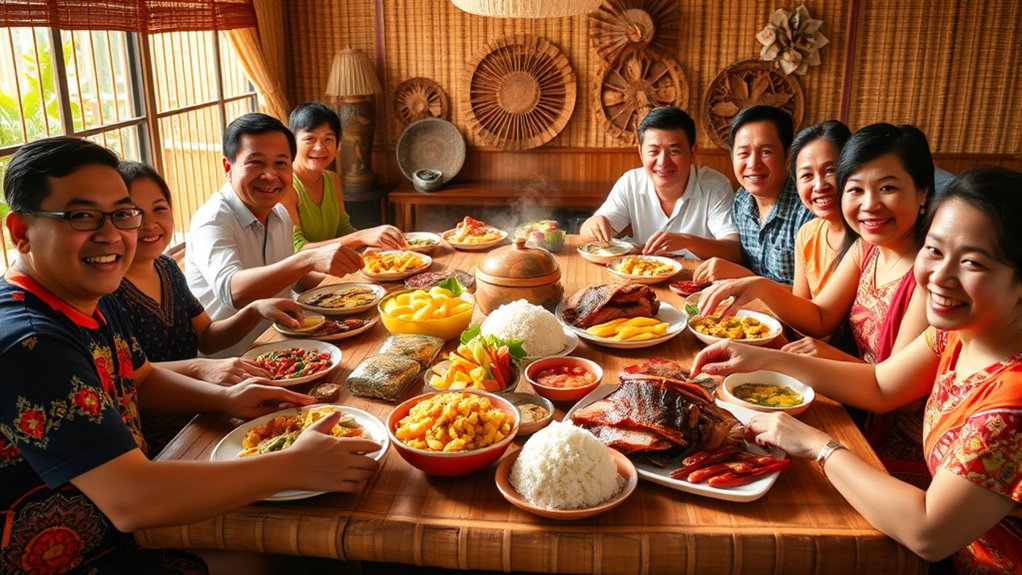
Have you ever noticed how sharing food and hospitality can break down barriers and create lasting connections? In the Philippines, this isn’t just a gesture; it’s a way of life. Traditional feasts are at the heart of Filipino culture, serving as vibrant expressions of community, family, and faith. When you’re invited to a Filipino celebration, you’ll find tables overflowing with dishes like lechon, pancit, and adobo—each one symbolizing generosity and unity. These gatherings aren’t just about the food; they’re about bringing people together to strengthen bonds and honor relationships. Sharing a meal during these feasts isn’t merely about nourishment; it’s a heartfelt act of caring that transcends words. The act of offering food symbolizes respect and a desire to nurture those around you, making everyone feel valued and included.
In Filipino culture, gift giving customs further emphasize the importance of caring. Whether it’s a simple token of appreciation or a more elaborate present during special occasions, gift giving is a way to express gratitude and reinforce social bonds. When you give gifts in the Philippines, it’s often accompanied by warm smiles and genuine sincerity, reflecting a deep sense of community and concern. Even small tokens, like a box of local delicacies or a handwritten note, carry immense meaning. These acts of giving are rooted in the idea that caring for others isn’t limited to words but is demonstrated through thoughtful gestures. It’s common during festivals, family visits, or religious celebrations for Filipinos to exchange gifts, creating a cycle of kindness that strengthens relationships over time. Additionally, the tradition of sharing food and hospitality is deeply connected to the artistic and cultural significance of communal gatherings, where food serves as a symbol of abundance and prosperity.
Both traditional feasts and gift giving customs highlight a core Filipino value: that caring for others is fundamental to community life. When you participate in these practices, you’re not just observing traditions—you’re actively engaging in a culture that celebrates warmth, generosity, and connection. Sharing food during a feast or giving a meaningful gift isn’t just about the act itself; it’s a way to show that you value the person in front of you. These customs foster trust and companionship, reminding everyone that caring doesn’t require grand gestures—it’s in the small, sincere acts that true bonds are formed. So, whether you’re invited to a lively fiesta or exchanging thoughtful tokens, remember that these Filipino ways of caring are about creating a sense of belonging, making every moment shared more meaningful and memorable.
Frequently Asked Questions
How Do Filipino Customs Around Food Differ From Other Asian Cultures?
You’ll notice Filipino customs around food emphasize communal sharing and warmth. Unlike some Asian cultures that focus on precise food presentation and formal dining etiquette, Filipinos often serve dishes family-style, encouraging everyone to eat together. Hospitality is key, with a focus on making guests feel comfortable and cared for. You’ll see informal dining, with a relaxed atmosphere, where the act of sharing food itself is a gesture of kindness and respect.
What Are Traditional Filipino Hospitality Rituals During Family Gatherings?
During family gatherings, you’re warmly welcomed with Filipino hospitality rituals that emphasize respect and generosity. You might find yourself offered the best seats or the first bite, reflecting the deep-rooted customs of “mano” and “pasensya.” These family gathering customs create an atmosphere of unity, where elders are revered, and sharing food symbolizes love and care. It’s a beautiful tradition that makes you feel truly valued and connected.
How Is Sharing Food Used to Resolve Conflicts in Filipino Communities?
In Filipino communities, sharing food plays a crucial role in conflict resolution by fostering emotional bonding. When tensions rise, offering a meal or sharing a favorite dish shows your willingness to reconcile and rebuild trust. You create a calming environment where open communication can happen naturally. This act of sharing demonstrates your sincerity, helps diffuse anger, and encourages understanding, ultimately restoring harmony and strengthening relationships through simple but meaningful gestures.
Are There Specific Foods That Symbolize Hospitality in the Philippines?
Like a warm hug, Filipino food symbolism deeply reflects hospitality food offerings. You’ll find that dishes like lechon, symbolizing abundance and generosity, are central in welcoming guests. Rice, a staple, signifies unity and life, while pancit represents long life and good health. These foods are more than sustenance—they’re expressions of care, making your guests feel valued and at home through vibrant Filipino hospitality.
How Do Filipino Hospitality Practices Vary Across Different Regions?
You’ll notice that Filipino hospitality practices vary across regions due to regional culinary differences and local customs. In some areas, like the Visayas, you might be expected to share large meals generously, while in others, like Mindanao, hospitality may emphasize respectful gestures and communal sharing. Understanding local hospitality etiquette helps you connect better, showing genuine care and appreciation for regional traditions, making your interactions more meaningful and respectful.
Conclusion
When you share food and hospitality the Filipino way, you’re not just offering a meal—you’re opening your heart and soul to the world. It’s an act so powerful, it can heal wounds, bridge worlds, and turn strangers into family in an instant. This tradition isn’t just about eating; it’s about creating a love so vast, it could move mountains. Embrace these Filipino ways, and watch your world transform with kindness that’s truly unstoppable.
Fall Picks
fall essentials
As an affiliate, we earn on qualifying purchases.