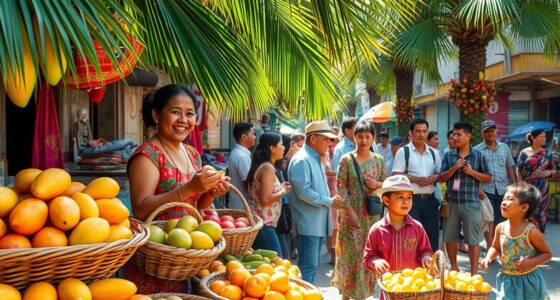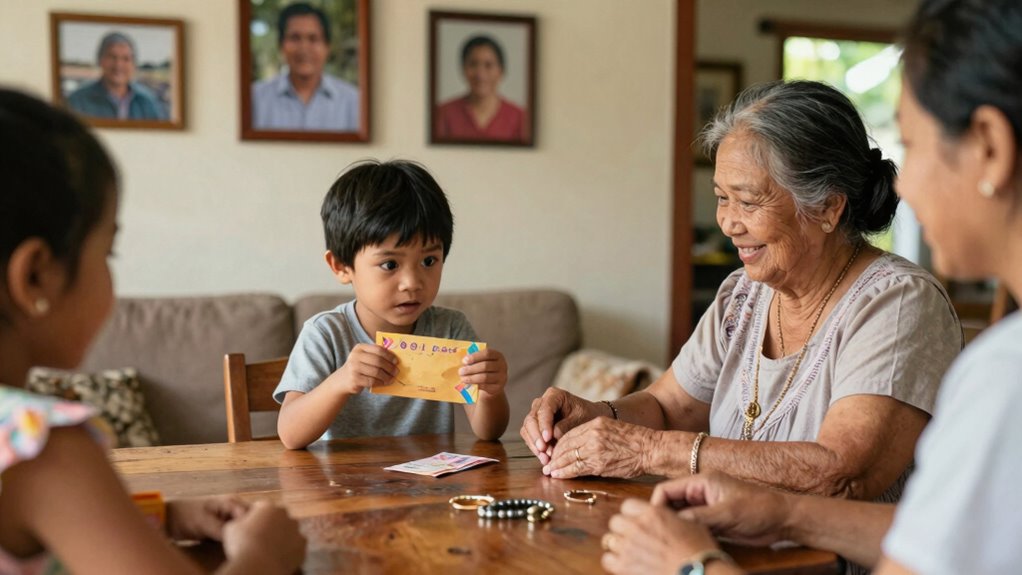

In Filipino families, money talks reflect deep cultural values, especially around remittances. These funds often support daily needs and special occasions, but they also create pressure to spend in expected ways. Balancing personal savings with family obligations can feel selfish, making it tough to set aside money for emergencies. Celebrations prioritize immediate gratification over budgeting, complicating financial planning. Understanding these dynamics can help you navigate your own financial journey. There’s more to uncover about this complex relationship.

Get gifts for the two of you delivered free with Prime
- Fast, free delivery on millions of items
- Prime Video, Amazon Music and more included
- Member-only deals all year
Key Takeaways
- Money discussions in Filipino families reflect cultural attitudes, emphasizing family obligations over individual financial goals.
- Remittances provide essential financial support, often leading to pressure to spend on traditional family events.
- Cultural expectations complicate savings, as resources are frequently diverted to fulfill extended family needs.
- Spending patterns prioritize immediate gratification, especially during celebrations, which can disrupt budgeting efforts.
- Collaborative budgeting fosters accountability and financial literacy, balancing tradition with informed decision-making for better financial security.

Money talk in Filipino families isn’t just a matter of budgeting; it’s often steeped in culture and tradition. You might find that discussions about money go beyond simple financial literacy. Instead, they reflect deep-rooted cultural attitudes that shape how families view savings habits and spending patterns. If you’re part of a Filipino family, you know that financial conversations happen within the context of family roles, where each member often plays a specific part in managing the household finances.
When it comes to budgeting strategies, you might notice that many families prioritize remittances from abroad. These funds often serve as a lifeline, helping to cover daily expenses and special occasions. Yet, while these remittances provide immediate relief, they also bring pressure to spend in ways that align with cultural expectations. You might feel the urge to contribute to family gatherings or even support relatives back home, which can sometimes lead to a cycle of overspending.
Many Filipino families rely on remittances, which can ease daily expenses but also create pressure to spend in culturally expected ways.
This cultural perspective can impact your savings habits. You may find it challenging to set aside funds for emergencies or future investments when you’re constantly balancing the needs of your extended family. Instead of focusing solely on personal financial goals, you often divert those resources to meet family obligations. This dynamic creates a unique financial landscape where saving for yourself can feel selfish, even though it’s vital for long-term stability. Remittance reliance can also influence the way families prioritize their financial goals and manage resources.
Your spending patterns might also reflect these cultural influences. You could feel inclined to spend on celebrations like birthdays and holidays, which are significant in Filipino culture. The joy of giving often overshadows the need for financial restraint. This practice can lead to a cycle where immediate gratification takes precedence over long-term planning.
In maneuvering these complexities, it’s essential to adopt sound budgeting strategies. You could benefit from creating a shared family budget that outlines everyone’s contributions and expenses. This approach not only fosters transparency but also allows for collective decision-making. By involving all family members, you can develop a sense of responsibility and accountability, which can improve overall financial literacy within the household.
Ultimately, the way you approach money in your Filipino family is a blend of tradition and practicality. Acknowledging these cultural attitudes while aiming for better financial habits can set the stage for a more secure future. It’s about finding that balance between honoring your roots and making informed decisions for yourself and your family.
As an affiliate, we earn on qualifying purchases.
Frequently Asked Questions
How Do Remittances Affect Filipino Children’s Education?
Remittances considerably boost Filipino children’s education by providing tuition support and essential educational resources. When you receive funds from abroad, you’re able to enroll your kids in better schools and afford learning materials like books and technology. This financial backing not only enhances their academic performance but also opens doors to future opportunities. Ultimately, it helps create a more stable and promising educational environment for your children.
What Cultural Values Influence Money Management in Filipino Families?
In Filipino families, money management often dances between tradition and modernity. Your cultural attitudes shape financial literacy, influencing saving habits and investment priorities. Family dynamics play an essential role, as emotional support and shared responsibilities guide decisions. Generational differences create a tapestry of perspectives, with older generations often valuing community expectations over individual desires. Embracing these values helps you navigate the intricate balance of financial choices while fostering a sense of belonging.
How Do Filipino Families Prioritize Spending Remittances?
Filipino families typically prioritize spending remittances by focusing on budget allocation for essential needs first. You’ll often find them covering healthcare expenses and debt repayment before anything else. Once those are secured, they might set aside funds for savings goals and emergency funds. They often invest in opportunities that enhance family support and improve lifestyle enhancements, ensuring a balance between immediate needs and future security.
What Challenges Do Overseas Workers Face in Sending Money Home?
Sending money home can feel like maneuvering a stormy sea. You face currency exchange rates that fluctuate, hefty transaction fees, and emotional stress from family expectations. If you lack financial literacy, those trust issues can snowball, especially when technology access is limited. Plus, documentation challenges can slow your efforts, making the process even more intimidating. Yet, despite these obstacles, you remain determined to support your loved ones back home.
How Do Remittances Impact Local Economies in the Philippines?
Remittances greatly boost local economies in the Philippines by enhancing local development and economic stability. When you send money home, it creates investment opportunities for families, allowing them to start businesses or improve their homes. This financial support fosters community resilience, as more people can access education and healthcare. Ultimately, your contributions help lift entire neighborhoods, creating a ripple effect that strengthens the economy and builds a brighter future for everyone involved.
As an affiliate, we earn on qualifying purchases.
Conclusion
In Filipino families, money talks shape relationships, bridge distances, and fuel dreams. You see, every remittance sent strengthens bonds, every conversation about finances fosters understanding, and every shared goal paves the way for a brighter future. Embracing these realities helps you appreciate the sacrifices made, the love shared, and the hopes nurtured. So, as you navigate this financial landscape, remember: every peso counts, every story matters, and every family connection thrives on these exchanges.
As an affiliate, we earn on qualifying purchases.
emergency savings fund for Filipinos
As an affiliate, we earn on qualifying purchases.
As an affiliate, we earn on qualifying purchases.
Columbus Day / Indigenous Peoples' Day Picks
long weekend sales
As an affiliate, we earn on qualifying purchases.