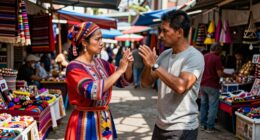
In the Philippines, how you show affection varies by region. In urban areas like Metro Manila and Cebu, light PDA such as holding hands or quick pecks is generally accepted, but avoid overly intimate gestures in crowded or formal settings. In rural or conservative communities, keep displays modest and discreet to respect local customs. During religious events or traditional festivals, it’s best to minimize PDA to avoid offending local sensibilities. Stay attentive to surroundings; if you’re curious about more respectful ways to express love, you’re about to discover helpful tips.
Key Takeaways
- In urban areas like Metro Manila and Cebu, discreet and subtle displays of affection are generally acceptable.
- In rural provinces and traditional communities, avoid overt PDA; modest gestures like holding hands are preferred.
- Respect cultural and religious norms by limiting public displays of affection during church visits and religious events.
- Regional differences require adapting behavior; more restraint is expected in conservative regions like Mindanao and rural Visayas.
- Observing local behaviors and practicing discretion demonstrate cultural sensitivity and foster respectful interactions.
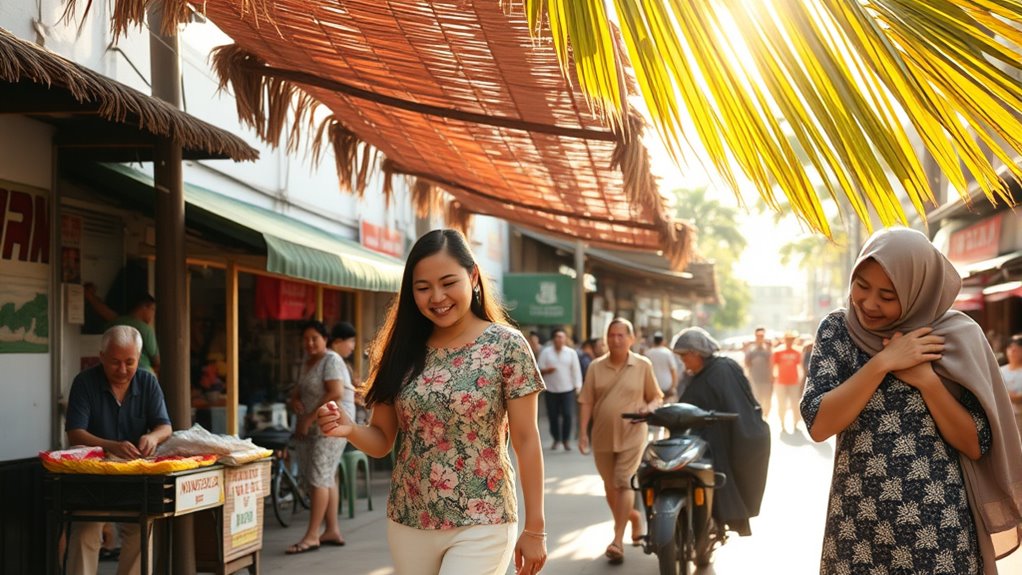
Public displays of affection (PDA) can be a sweet way to show your love, but it’s important to do so respectfully. When you’re in the Philippines, understanding how different regions perceive PDA is vital to avoid misunderstandings or offending locals. Cultural differences and regional norms shape what’s considered acceptable, so being mindful of these factors helps you navigate social interactions gracefully.
In urban areas like Metro Manila or Cebu City, public displays of affection tend to be more relaxed. People are generally accustomed to seeing couples holding hands, hugging, or even quick pecks on the cheek without much fuss. However, even in these bustling cities, excessive or overly intimate displays might still raise eyebrows, especially in more conservative or crowded settings. It’s wise to gauge the situation; if in doubt, keep your affection subtle and discreet.
Contrast this with rural provinces or traditional communities, where cultural differences and regional norms often emphasize modesty and respect. In these areas, overt PDA might be frowned upon or considered inappropriate. Locals may view such displays as disrespectful to cultural values or religious beliefs. For example, in more conservative regions like parts of Mindanao or rural Visayas, holding hands might be acceptable, but kissing or prolonged hugging could attract unwanted attention or judgment. Respecting these norms not only shows your awareness but also your appreciation for local customs.
Remember, the Philippines is a mostly Catholic country with deep-rooted conservative values, especially outside the urban centers. In many communities, public displays of affection are seen as private matters that should be kept within the confines of personal or family spaces. When visiting these areas, it’s best to exercise restraint—perhaps a gentle touch or a quick hug—rather than more passionate gestures. Doing so demonstrates cultural sensitivity and helps you avoid making others uncomfortable.
Additionally, regional norms can influence how you should behave during special occasions or religious events. In church or during traditional festivals, public displays of affection are generally discouraged. Respecting these customs shows your understanding of Filipino culture and your desire to be considerate of local sentiments. When in doubt, observe how locals act and follow their lead. If they’re keeping their interactions modest, it’s best to do the same.
Being aware of regional cultural norms regarding PDA can significantly enhance your experience and demonstrate your respect for local traditions.
As an affiliate, we earn on qualifying purchases.
Frequently Asked Questions
How Do Cultural Norms Influence PDA Acceptance Across Regions?
Cultural norms shape how people view public displays of affection, with regional customs playing a big role. In some areas, a gentle hug or holding hands is seen as respectful and acceptable, while in others, it might be frowned upon. Your understanding of these regional differences helps you navigate social settings better, ensuring you show respect for local traditions and avoid misunderstandings, making your interactions more positive and culturally sensitive.
Are There Specific Gestures Considered Respectful or Disrespectful?
They say actions speak louder than words, and in the Philippines, cultural gestures reveal a lot about respect. You should avoid gestures like pointing with your finger, which can be seen as disrespectful, and instead use open palms. Regional etiquette varies—what’s polite in one area might not be in another. Always observe local customs, and when in doubt, a gentle nod or smile is a safe, respectful gesture.
Does Age or Social Status Affect PDA Perceptions Locally?
You should consider age sensitivity and social hierarchy when it comes to PDA perceptions locally. In many regions, younger couples or those of equal social status might feel more comfortable showing affection publicly. However, if you’re older or hold a higher social position, you may need to be more discreet out of respect. Being aware of these social nuances helps you avoid misunderstandings and shows cultural awareness.
How Do Public Perceptions of PDA Vary Among Different Filipino Communities?
Public perceptions of PDA are like a tapestry, woven with cultural acceptance and regional nuances. In some Filipino communities, public display of affection is warmly embraced, seen as a natural expression of love. Elsewhere, it’s viewed more conservatively, with people feeling uncomfortable. Your experience varies depending on the region’s traditions and social norms, shaping how openly couples can show affection in public without judgment.
Are There Regional Festivals or Events That Influence PDA Behavior?
You’ll find that regional festivals, with their vibrant regional dance and colorful festival attire, often influence PDA behavior. During these events, locals might display more affectionate gestures, feeling the festive spirit. For example, in some regions, couples hold hands or share quick kisses during lively dance performances. These traditions encourage a relaxed attitude toward PDA, blending cultural pride with a sense of community celebration.
cultural sensitivity guide for Philippines
As an affiliate, we earn on qualifying purchases.
As an affiliate, we earn on qualifying purchases.
Conclusion
Just like maneuvering a busy Philippine street, knowing what’s acceptable in public displays of affection helps you move smoothly and respectfully through different regions. I once saw a couple holding hands gently in Cebu, while in Manila, a quick hug was enough. Respecting local boundaries ensures your love story doesn’t hit a bump. When you understand regional norms, your tender moments become a beautiful dance—harmonious and appreciated wherever you go.
G2TUP Philippine Sun Star Flag Socks Filipina Philippine Pride Gift Philippines Faith Socks Philippine Pride Merch (Sun Star Socks)
- Premium Material Blend: 80% cotton, breathable and stretchy
- High-Quality Embroidered Designs: Vibrant, durable embroidery that won't peel
- Seamless Toe Construction: Reduces friction for all-day comfort
As an affiliate, we earn on qualifying purchases.
As an affiliate, we earn on qualifying purchases.

Philippines Travel Guide 2026: Explore Itineraries, Islands, Culture, Food, Transport, and Outdoor Experiences in Manila, Palawan, Cebu, Bohol, Siargao, and Beyond
As an affiliate, we earn on qualifying purchases.
As an affiliate, we earn on qualifying purchases.