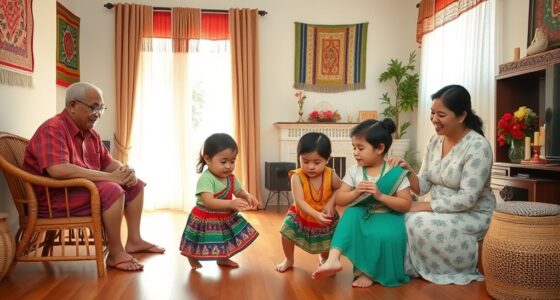
In Filipino culture, marrying early is often viewed as a sign of maturity, family responsibility, and social acceptance, influenced by strong traditions and societal expectations. Families tend to encourage young couples to marry quickly, especially if their relationship is stable. Economic factors and cultural norms play a big role in choosing when to marry, with many feeling pressure to conform. If you’re curious about how these cultural nuances shape marriage choices, there’s more to discover below.
Key Takeaways
- Filipino culture traditionally favors early marriage as a sign of maturity and responsibility.
- Societal and family expectations often pressure individuals to marry young for social acceptance.
- Economic factors, such as financial stability, influence whether Filipinos marry early or later.
- Marrying early allows couples to build a family sooner, aligning with cultural norms.
- Delaying marriage is increasingly accepted, especially to finish education and establish careers.
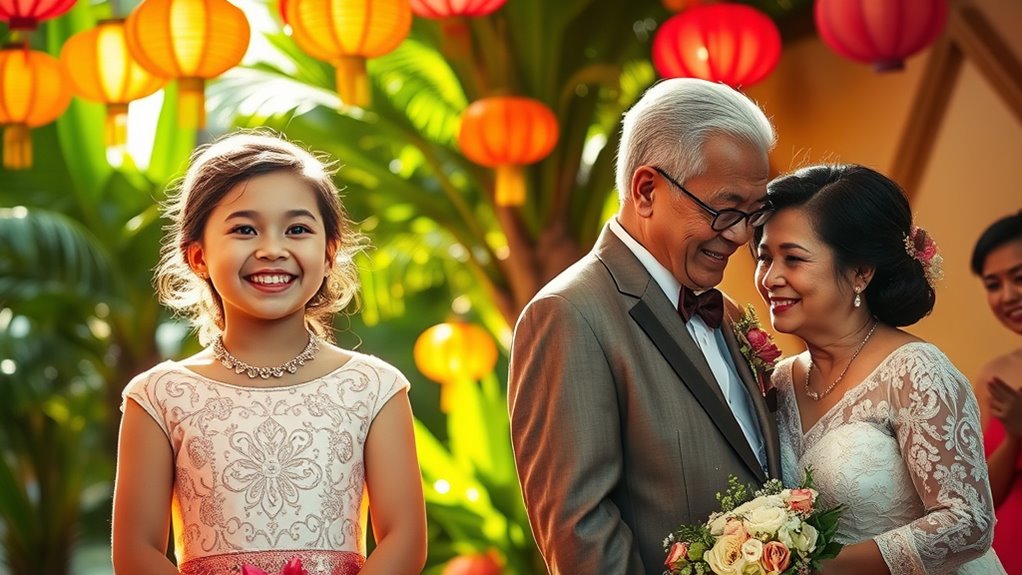
Have you ever wondered whether tying the knot early in life is better or waiting until you’re older? In the Philippines, this question isn’t just about personal choice; it’s deeply rooted in cultural expectations and economic factors that influence how young people view marriage. Traditionally, Filipino culture places a strong emphasis on family and community, often viewing marriage as a crucial milestone that signifies maturity and responsibility. Many families encourage their children to marry early, especially if they’re already in a stable relationship, because doing so aligns with societal norms and expectations. It’s common to hear stories of young couples who marry shortly after completing their education or even during their college years, as it’s seen as a way to solidify a relationship and start building a family sooner.
Cultural expectations play a significant role in shaping opinions about marrying young versus later in life. In Filipino society, there’s often a strong sense of filial duty and respect for tradition, which can pressure individuals to conform to the idea that marriage should happen relatively early. Parents and relatives may view early marriage as a sign of stability and maturity, reinforcing the belief that it’s the natural progression of life. Conversely, waiting until later in life can sometimes be viewed as unconventional or even irresponsible, especially if it deviates from the norm of marrying young. This societal pressure can influence your decisions, sometimes making you feel compelled to marry early to meet family expectations and gain social acceptance.
Economic factors also heavily influence the timing of marriage. For many Filipinos, financial stability is a key consideration before tying the knot. Marrying young may seem appealing because it allows couples to start building a household early, but it can also be challenging if financial resources are limited. In a country where job opportunities and income levels vary widely, waiting until you’re more financially secure can make sense. Older individuals might delay marriage to finish their education, establish a career, and save enough money to support a household. This approach reduces the financial stress that often accompanies starting a family. On the other hand, economic constraints might push some toward early marriage, viewing it as a way to pool resources and share responsibilities sooner.
Ultimately, your decision to marry young or later is shaped by a mix of cultural expectations and economic realities. While tradition might encourage early marriage, practical concerns about finances and career development often lead individuals to wait. Understanding these influences helps you see that choices about marriage aren’t just personal—they’re deeply embedded in the social fabric and economic landscape of Filipino society.
Frequently Asked Questions
How Does Filipino Culture Define “Young” and “Later” in Marriage?
In Filipino culture, “young” marriage typically refers to those in their late teens to early twenties, often influenced by intergenerational expectations and traditional views. “Later” usually means marrying in the late twenties or early thirties, aligning with modern perspectives that prioritize education and career. While traditional views favor early marriage, modern attitudes embrace waiting longer, reflecting changing values in Filipino society.
What Are the Legal Age Requirements for Marriage in the Philippines?
Did you know that the legal age for marriage in the Philippines is 18? You can marry at this age with parental consent; otherwise, you must be 21 without it. This law influences Filipino marriage traditions and age-related customs, emphasizing maturity and readiness. If you’re planning to marry, understanding these legal requirements helps you navigate cultural expectations and guarantees your union aligns with both tradition and law.
How Do Filipino Families Typically Influence Marriage Timing Decisions?
Filipino families often influence your marriage timing through family traditions and peer influences. They encourage you to marry at a culturally appropriate age, valuing stability and community approval. Your family might also consider your peers’ choices, guiding you to follow a similar path. This collective approach helps you feel supported, but it can also pressure you to marry earlier or later, depending on family expectations and social norms.
Are There Differences in Societal Acceptance Between Marrying Young and Later?
You’ll notice society tends to accept later marriages more, as intergenerational expectations often favor stability and career development first. Marrying young might face some peer influence, but it’s generally less accepted if it conflicts with traditional views. Filipino culture values family approval, so societal acceptance hinges on how well your decision aligns with family and community norms, influencing whether your marriage is seen as appropriate or rushed.
How Does Economic Status Affect Marriage Choices in Filipino Society?
Economic influences play a significant role in your marriage choices in Filipino society. If you have financial stability, you’re more likely to marry later, focusing on social mobility and personal growth. Conversely, limited resources may push you to marry early for security or community acceptance. These economic factors shape your decisions, affecting when and how you pursue marriage, reflecting broader societal values around stability, family, and social status.
Conclusion
Whether you marry young or later in life, Filipino culture values both choices, each bringing its own blessings and challenges. Marrying early might mean building a family sooner, but waiting can offer personal growth and stability. Ultimately, it’s about balancing tradition with your own dreams. Just like the vibrant Filipino spirit, your decision is unique—embrace it. Because whether you start early or later, what truly matters is love, commitment, and staying true to yourself.