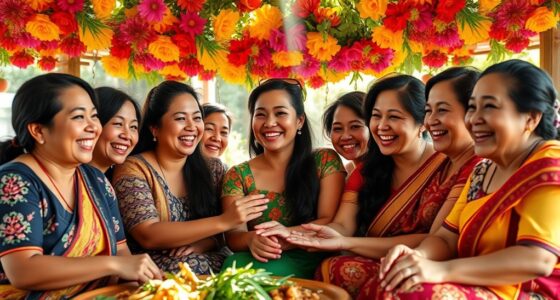
In Filipino culture, “selos” reflects a deep-rooted sense of loyalty, family honor, and social reputation shaped by colonial influences. You might notice it expressed subtly through protective gestures or indirect cues rather than direct accusations, as maintaining harmony is essential. Jealousy acts as a social tool to uphold trust and loyalty within relationships, often linked to cultural values that prioritize harmony over conflict. Exploring these cultural nuances reveals how “selos” uniquely influences emotional bonds and social expectations.
Key Takeaways
- Filipino jealousy (selos) is rooted in historical influences emphasizing family, honor, and social reputation.
- It reflects deep care and loyalty, often expressed through indirect cues rather than confrontation.
- Jealousy functions as a social control mechanism to uphold relationship fidelity and social harmony.
- Cultural values prioritize sincerity and avoid open conflict, shaping how jealousy is perceived and expressed.
- Understanding selos reveals its role in maintaining family dignity, social cohesion, and emotional bonds in Filipino relationships.
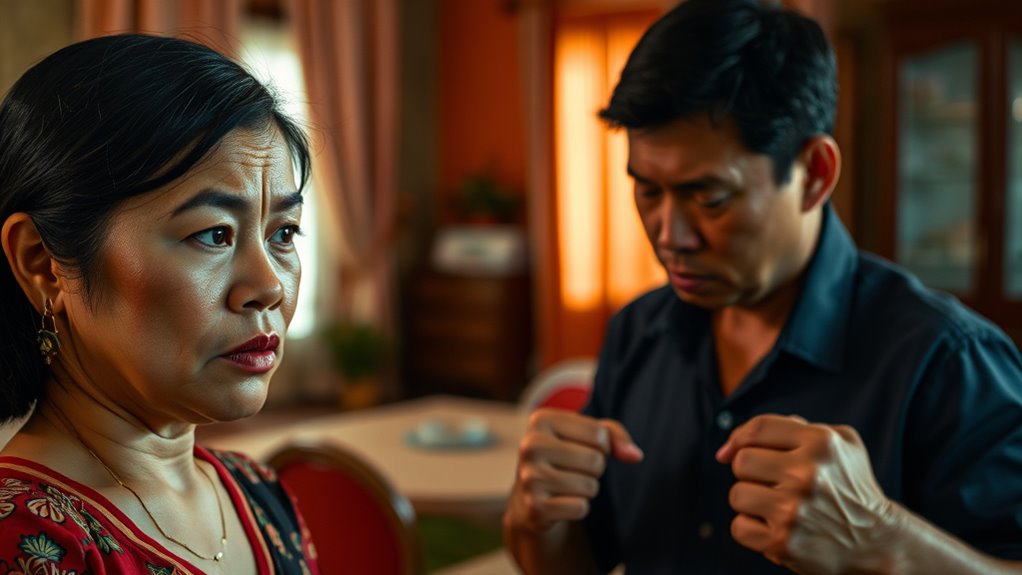
Understanding the roots of jealousy in Filipino culture requires examining its historical influences. Over centuries, Filipino society has been shaped by various colonial influences—Spanish, American, and even Chinese—which have left marks on how emotions like jealousy are perceived and expressed. The Spanish era, in particular, emphasized the importance of family, faith, and social reputation, cultivating a culture where guarding one’s honor and relationships became paramount. This historical context helped embed the idea that jealousy isn’t just a personal weakness but a social obligation to protect one’s loved ones and uphold family dignity. These influences fostered a collective mindset where jealousy can act as a form of social control, ensuring loyalty and fidelity within relationships. Additionally, the high value placed on color accuracy in visual representations parallels how Filipino culture often emphasizes authenticity and sincerity in emotional expressions, including jealousy. In Filipino culture, jealousy can sometimes be seen as a sign of deep care rather than mere possessiveness. You might notice that it’s expressed through indirect cues—such as subtle glances, whispered concerns, or protective gestures—rather than outright accusations. These behaviors stem from a cultural tendency to avoid confrontation and preserve harmony. Historical influences reinforce this, as open conflict was often discouraged to maintain social cohesion. Over time, such expressions of jealousy have become ingrained in Filipino social norms, shaping how relationships are navigated. While it can sometimes lead to misunderstandings or possessiveness, often, it’s simply a reflection of a cultural value system that prioritizes family, loyalty, and social reputation. Recognizing these roots helps you appreciate the nuanced ways jealousy manifests in Filipino interactions, emphasizing its complex role within the broader cultural landscape.
Top picks for "jealousy selo filipino"
Open Amazon search results for this keyword.
As an affiliate, we earn on qualifying purchases.
Frequently Asked Questions
How Does Jealousy Affect Filipino Family Dynamics?
Jealousy can strain Filipino family dynamics by intensifying sibling rivalry and affecting parental approval. When you feel jealous, you might compete more fiercely for your parents’ attention or approval, creating tension. This often leads to misunderstandings, rivalry, and emotional distance. Recognizing these feelings helps you address them openly, fostering better communication and stronger bonds within the family. You can turn jealousy into motivation for personal growth rather than conflict.
Are There Specific Filipino Traditions Addressing Jealousy?
You’ll find that Filipino cultural rituals and traditional beliefs often address jealousy gently, like a whisper in a storm. During family gatherings, elders might perform small rituals or offer advice to ease jealousy’s grip. These traditions aim to foster harmony and understanding, reminding you that managing jealousy isn’t about suppression but about nurturing respect. These practices reflect deep-rooted values, helping you navigate feelings with compassion and grace, like guiding a delicate flame away from the wind.
How Do Filipino Men and Women Typically Express Jealousy?
Filipino men and women typically express jealousy through subtle cultural expressions and emotional displays. You might notice them becoming more reserved, giving meaningful glances, or subtly questioning their partner. Women may show concern through gentle words or caring actions, while men might become more protective or distant. These expressions reflect deep emotional ties and cultural norms, emphasizing indirect communication and the importance of maintaining harmony in relationships.
What Role Does Jealousy Play in Filipino Romantic Relationships?
Imagine jealousy as a delicate lantern in Filipino relationships, flickering brightly yet needing careful handling. It plays a crucial role by revealing love and concern, but also tests emotional regulation. Cultural expressions shape how you display these feelings—sometimes openly, sometimes subtly—strengthening bonds or causing strain. By managing jealousy wisely, you nurture trust and deepen intimacy, ensuring the lantern’s glow remains a guiding light rather than a source of darkness.
How Is Jealousy Perceived in Filipino Community Settings?
In Filipino community settings, jealousy is often seen as a natural emotional expression rooted in cultural norms and social expectations. You might observe cultural expressions of concern or protectiveness, which are sometimes misunderstood as possessiveness. While some view it as a sign of love, others see it as a reminder to respect social boundaries. Overall, jealousy is perceived as an acceptable, even expected, part of maintaining harmony within relationships.
Conclusion
In Filipino culture, jealousy reflects deep care, a sign of love, and a way to protect what matters most. It’s a feeling that shows you value your relationships, that you’re willing to defend what’s yours, and that you’re committed to staying close. Embracing jealousy, when balanced, reminds you of the importance of trust, respect, and understanding. It’s a mirror of your devotion, a proof of your loyalty, and a part of the intricate dance of love.