
When engaging with Filipinas and their families, avoid disrespectful language, loud voices, or criticizing family members, as this can be seen as offensive. Respect elders by using proper titles like “Ate” or “Lola” and follow their cues on personal space and interaction pace. Steer clear of sensitive topics such as family disputes or controversial subjects. By understanding their cultural norms and show genuine respect, you’ll foster trust and stronger connections—if you want to learn more, keep exploring these important customs.
Key Takeaways
- Avoid disrespectful or loud language; maintain a gentle and courteous tone when speaking to and about family members.
- Do not interrupt or contradict elders publicly; show deference through respectful titles and listening.
- Steer clear of discussing sensitive topics like family disputes, personal finances, or controversies.
- Refrain from overly familiar gestures or invading personal space, especially with elders.
- Do not make negative comments about family traditions or cultural norms to preserve harmony and respect.
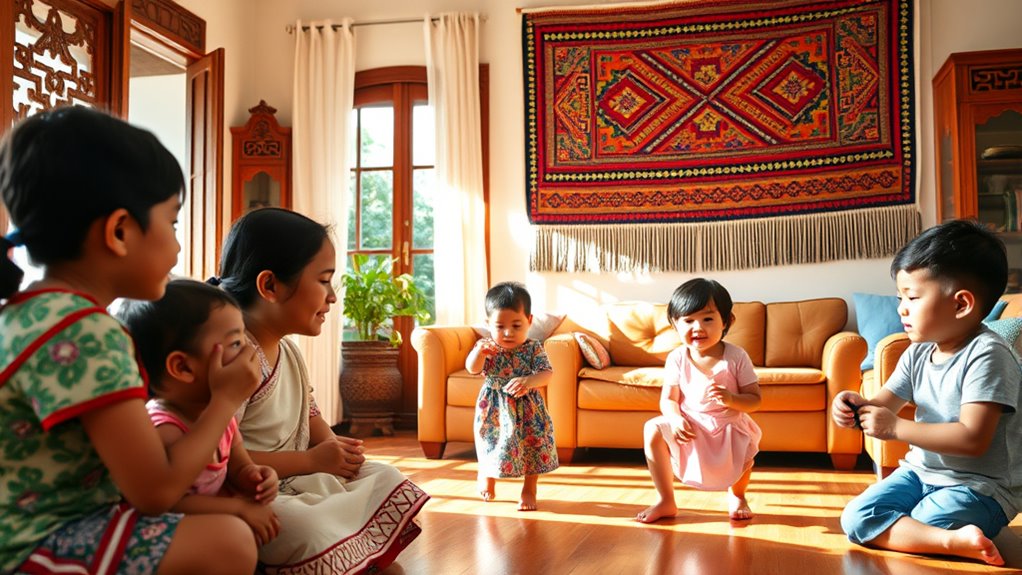
Have you ever wondered what behaviors or topics might be considered off-limits in Filipino culture? One of the most important aspects to keep in mind is respectful communication. Filipinas and their families place a high value on showing courtesy, politeness, and humility in conversations. It’s vital to avoid raising your voice or speaking disrespectfully, especially when discussing sensitive topics. Instead, approach discussions with a gentle tone and a genuine interest in understanding their perspectives. Using polite language and refraining from sarcasm or harsh words demonstrates that you respect their values and foster a positive connection.
Another key element in Filipino social interactions is the family hierarchy. Respect for elders isn’t just a courtesy; it’s a deeply ingrained cultural norm. When engaging with Filipinas and their families, you should be mindful of this hierarchy. Address elders with appropriate titles such as “Ate” (older sister), “Kuya” (older brother), “Lola” (grandmother), or “Lolo” (grandfather), and speak to them with deference. Avoid interrupting or contradicting them in front of others, as this can be seen as a sign of disrespect. Instead, listen attentively and respond politely, showing that you recognize their authority and experience.
It’s also wise to observe how family members interact and follow their lead. Filipinos tend to hold family unity and respect for elders in the highest regard, so demonstrating reverence through your words and actions will help you earn their trust and acceptance. Avoid discussing family disputes or criticizing family members, as this can be considered highly inappropriate. Instead, focus on positive topics and show genuine interest in their family traditions and stories.
In Filipino culture, respecting personal space and boundaries is also important, especially around elders. Being too casual or overly familiar too quickly can be perceived as disrespectful. Take your cues from how they communicate and behave; if they are warm and friendly, reciprocate with kindness, but always maintain a respectful demeanor. Remember, the goal is to show that you value their customs, and that includes understanding the importance of respectful communication and honoring the family hierarchy. Additionally, understanding and adhering to cultural norms can significantly improve your relationships and interactions within Filipino families.
Top picks for "cultural taboo around"
Open Amazon search results for this keyword.
As an affiliate, we earn on qualifying purchases.
Frequently Asked Questions
Are There Specific Gestures Considered Disrespectful in Filipino Culture?
You should avoid certain hand gestures that can be seen as disrespectful in Filipino culture, like pointing with your finger or making a “thumbs down” sign. Also, respect personal space, as Filipinas value closeness and touch carefully. Gestures like whistling or showing the soles of your feet are considered impolite. Being mindful of these cues helps you show respect and build good relationships with Filipinas and their families.
Is It Taboo to Discuss Politics or Religion With Filipinas’ Families?
You should absolutely avoid discussing politics or religion with Filipinas’ families, as it’s like walking on a minefield of political sensitivities and religious debates. These topics can spark intense passions and misunderstandings, making family gatherings uncomfortable or even tense. Respect their core beliefs, and steer conversations toward neutral topics. Keeping the peace matters more than risking a fireworks display of disagreement. Play it safe, and everyone stays happy and harmonious.
How Should I Address Older Family Members Respectfully?
When addressing older family members, use formal greetings like “Po” and “Opo” to show respect. Always use proper titles such as “Tita,” “Tito,” or “Lola,” followed by their names. Speak politely and maintain a respectful tone. You can also gently bow or nod as a sign of respect. Remember, showing humility and proper etiquette demonstrates your genuine regard for their age and status.
Are There Any Topics to Avoid When Talking About Filipino Traditions?
Avoid arguing about Filipino superstitions or challenging family hierarchy, as these topics can stir strong sentiments. Be respectful, refraining from ridiculing rituals or questioning elders’ authority. Instead, show sincere interest and sensitivity. Discussing traditions lightly, without dismissive dismissals, helps build bonds. Remember, Filipinas value family, faith, and respect. Keeping conversations kind, courteous, and considerate guarantees you prevent upsetting the cultural core of Filipino families.
What Are Common Mistakes Foreigners Make When Meeting Filipino Families?
When meeting Filipino families, you often make mistakes by not practicing cultural sensitivity and respectful communication. You might forget to greet elders properly or overlook the importance of showing humility and politeness. Avoid controversial topics, speak sincerely, and listen attentively. By being considerate and respectful, you’ll build trust and foster positive relationships. Remember, demonstrating genuine respect and understanding is key to making a good impression on Filipino families.
Conclusion
Understanding cultural taboos around Filipinas shows respect and helps build genuine connections. Remember, roughly 83% of Filipinas value family honor and tradition, so avoiding sensitive topics and showing courtesy goes a long way. By being mindful of these customs, you demonstrate your respect for their culture and foster trust. Embrace these guidelines, and you’ll find it easier to form meaningful relationships, making your interactions with Filipinas and their families more enjoyable and authentic.