
To create a timeline for marrying a Filipina, start by understanding cultural differences, like the importance of family involvement and respect for elders. Familiarize yourself with the legal requirements, including obtaining a marriage license and gathering necessary documents like birth certificates and a CENOMAR. Set a date, budget your wedding, and hire suppliers. Remember, planning takes time, so map out deadlines. As you proceed, you’ll uncover more essential details for a smooth journey together.
Key Takeaways
- Start planning at least 6-12 months in advance to accommodate legal requirements and family involvement.
- Ensure both partners are at least 18 years old and gather necessary documents for the marriage license application.
- Schedule attendance at a family planning seminar required for obtaining the marriage license.
- Choose a wedding date and book venues and suppliers well ahead of time to secure availability.
- Confirm all details and logistics with suppliers one week before the wedding to ensure a smooth event.
Your Perfect Day Wedding Planner Book and Organizer – Wedding Planner Book – Bridal Planning Binder with Countdown Calendar – Bride Gifts – (FLORAL)
- Comprehensive Wedding Planning Book: 132 pages with tips and advice
- Countdown and Checklist Calendar: 18-month countdown with 12-month checklist
- Organized Notes and Storage: Notes sections and wallet pockets for keepsakes
As an affiliate, we earn on qualifying purchases.
As an affiliate, we earn on qualifying purchases.
Understanding Cultural Differences
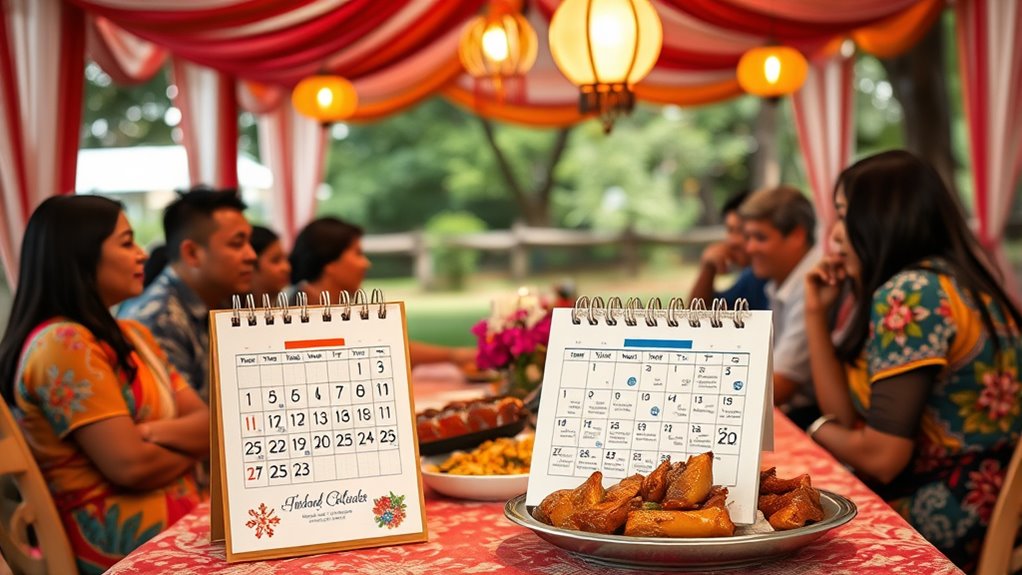
When you consider marrying a Filipina, it’s essential to understand the cultural differences that shape her values and family dynamics.
Family bonding is paramount in Filipino culture, often extending beyond the nuclear family. You’ll find that respect for elders is ingrained, influencing decisions and interactions. Expect family involvement in significant life events, as loyalty and support are highly valued.
Many Filipinos live in multigenerational homes, creating a tight-knit community. Traditional gender roles and the Catholic faith also play a significant role in shaping relationships.
Communication tends to prioritize harmony over direct confrontation, so being sensitive in discussions is important. The commitment to marriage is strong, viewed as a lifelong partnership rooted in love and practicality. Additionally, understanding the impact of parental infidelity on children can provide insight into family dynamics and values in relationships.

Flag of Philippines License Plate Frame for Men Women Philippine Tag Frame
- Material: Premium aluminum for durability
- Size: Standard 12.3 x 6.3 inches
- Installation: Pre-drilled holes for easy setup
As an affiliate, we earn on qualifying purchases.
As an affiliate, we earn on qualifying purchases.
Legal Requirements for Marriage
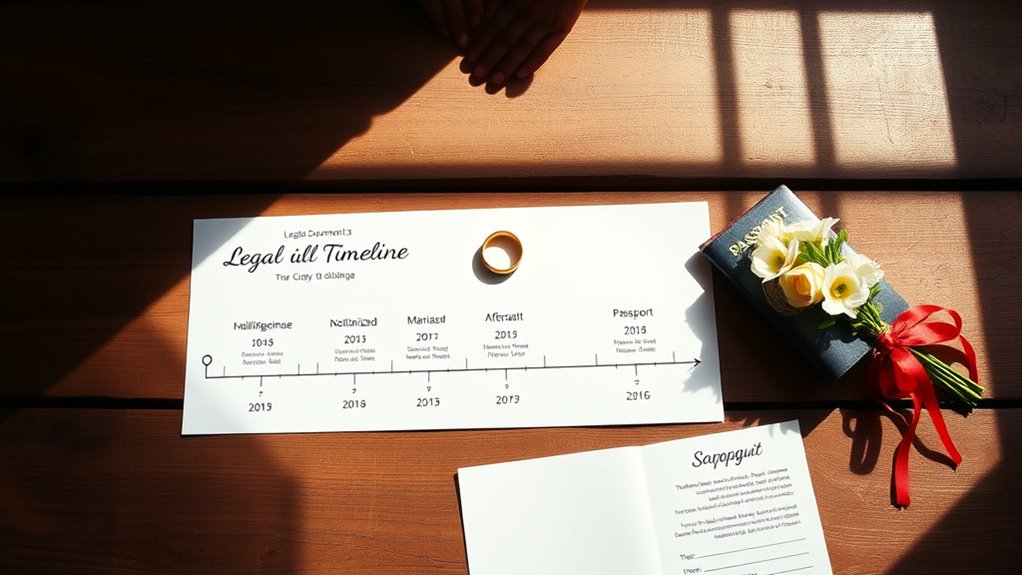
Before you can tie the knot in the Philippines, you need to navigate a few legal requirements that confirm your marriage is valid.
First, verify that both you and your partner are at least 18 years old and can freely consent in front of a solemnizing officer. You can’t marry if there are any legal impediments, like being already married.
Next, obtain a marriage license from the local civil registrar where one of you resides, which requires specific documents and attendance at a family planning seminar. Remember, the license is only valid for 120 days.
Finally, choose an authorized solemnizing officer, such as a judge or priest, to conduct the ceremony and register your marriage afterward.

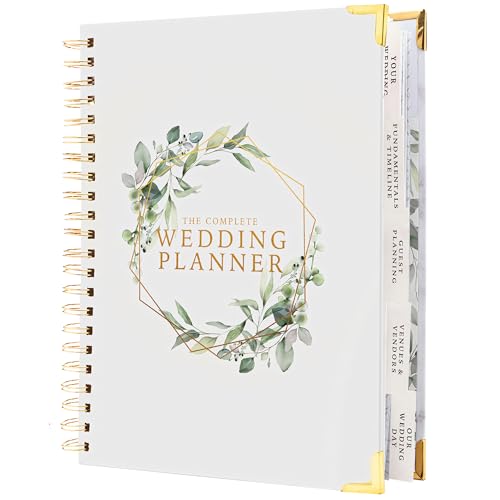
Wedding Planner Book and Organizer – Wedding Planner with Tabbed Sections
- Durable Wedding Planner Pages: 126 planning pages for comprehensive planning
- Tabbed Sections for Easy Access: 5 colorful, labeled sections for organization
- Sections Cover Key Planning Areas: Fundamentals, Timelines, Guest, Venues, Wedding Day
As an affiliate, we earn on qualifying purchases.
As an affiliate, we earn on qualifying purchases.
Documentation Needed for the Process

Gathering the necessary documentation is essential for a smooth marriage process in the Philippines. You’ll need to complete four copies of the marriage license application and sign them in front of a Consular Officer.
Prepare one original and three photocopies of your PSA-authenticated birth certificate and four photocopies of your Philippine passport’s data page, along with the original for verification.
A Certificate of No Marriage (CENOMAR) is often required, as is a Certificate of Legal Capacity to Contract Marriage from your home country’s consulate.
Don’t forget recent 1×1 photos and, if necessary, an Apostille for foreign documents. Coordination with the embassy regarding solemnization and witness information is vital too.

In Loving Memory Wedding Sign Wooden, Memory Table Sign with Clips and String, Rustic Memorial Decor for Reception Ceremony, Memorial Sign for Photos, Wedding Reception Decorations
- Create a heartfelt memorial: Honors loved ones at your wedding
- Display five photos easily: Includes clips and rustic rope for photos
- Large wooden display: Measures 16 x 8 inches for visibility
As an affiliate, we earn on qualifying purchases.
As an affiliate, we earn on qualifying purchases.
Timeline for Gathering Required Documents

While maneuvering the timeline for gathering required documents, you’ll find that preparation is key to ensuring a smooth marriage process.
Start collecting your documents early, as this can take anywhere from a few days to several weeks. Don’t forget to schedule an appointment with the embassy for the Legal Capacity to Contract Marriage; some embassies can issue this on the same day, while others may take longer.
If you face complexities, like divorce verification or name changes, expect additional delays. Remember, you’ll also need to account for a 10-day mandatory posting period at the local civil registrar.
Application Process for Marriage License

To successfully apply for a marriage license in the Philippines, you’ll need to visit the local civil registrar’s office in the city or municipality where you or your partner resides.
Both of you must appear in person and complete the application form. Bring required documents, including PSA-authenticated birth certificates, a community tax certificate, and proof of identification.
Both partners must be present to fill out the application form and provide essential documents like birth certificates and IDs.
If either of you has never been married, you’ll need a Certificate of No Marriage (CENOMAR) from the PSA.
After filing, there’s a 10-day waiting period for public posting before the license is issued.
Cultural Customs and Traditions

After securing your marriage license, understanding the cultural customs and traditions surrounding Filipino weddings is essential for a successful union.
Family plays a significant role, so expect to involve not only your partner’s immediate relatives but also the extended family. Filipino weddings are rich in tradition, often featuring a veil, cord, and 13 coins that symbolize unity.
Attire is important too; men typically wear the Barong Tagalog, while women don the Filipiniana. You’ll also want to reflect on the role of ninongs and ninangs, who serve as godparents.
Whether embracing Catholic practices or acknowledging Islamic customs, the emphasis on faith and community involvement will guide your celebration, ensuring it resonates deeply with everyone present.
Preparing for the Wedding Day

When you’re getting ready for your wedding day, it’s crucial to keep track of all the essential details to guarantee everything goes smoothly.
First, choose your wedding date and set a budget to guide your planning. Create a guest list and select your bridal party. Research and book your church and reception venues, ensuring they’re accessible for guests.
Choosing your wedding date and budget is essential, along with creating a guest list and booking venues.
Hire a wedding planner and secure suppliers like photographers, musicians, and cake providers. Don’t forget to apply for your marriage license, allowing time for processing.
Finalize your attire and create a music playlist. Confirm all supplier details and double-check logistics a week before the big day.
These steps will help you enjoy a stress-free wedding celebration.
Post-Marriage Arrangements and Planning

As you begin your new life together, addressing post-marriage arrangements and planning is vital to guarantee a harmonious relationship.
First, consider legal aspects like postnuptial agreements, which must be notarized and comply with the Family Code of the Philippines. Ascertain full disclosure of assets and liabilities, as coercion or fraud can invalidate these agreements.
Next, understand property regimes; the default is Absolute Community of Property, but you can petition for Separation of Property.
Financial planning is essential, so discuss your financial goals and set up joint bank accounts for shared expenses.
Don’t forget to budget for children and consider insurance and retirement plans. Transparency in finances will help you both stay aligned and secure.
Adjusting to Life Together After Marriage
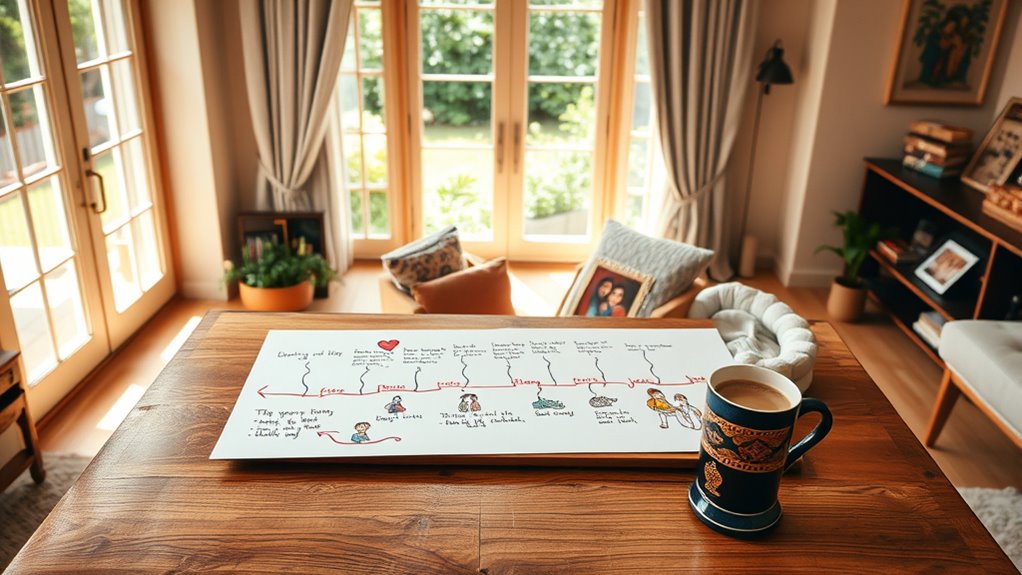
Adjusting to life together after marriage can feel overwhelming, especially as you navigate the blend of cultures and expectations.
In Filipino culture, family ties are central, so it’s crucial to respect these bonds. Open communication will help you both understand cultural nuances, while demonstrating loyalty fosters trust.
As you manage finances, create a shared budget and discuss spending habits, recognizing that traditional roles may shift with modern influences.
Balancing work and family life is essential, so share responsibilities and utilize support systems.
Engaging in your partner’s community can ease social adaptation and strengthen your connection. Embrace cultural events to build ties and navigate family expectations, ensuring a harmonious life together. Additionally, establishing healthy boundaries can help create mutual respect and understanding in your new life together.
Frequently Asked Questions
What Are Common Misunderstandings in Filipino Relationships?
In Filipino relationships, you might encounter common misunderstandings. People often assume Filipino women are submissive, but many have diverse ambitions.
You might also believe that family always comes first, but individual priorities vary. Stereotypes about relationships with foreigners can be misleading, too.
Additionally, cultural expectations can shape perceptions, emphasizing loyalty and family values. Open communication and understanding help you navigate these complexities and build a strong, respectful relationship.
How Can I Involve My Partner’s Family in Planning?
Involving your partner’s family in planning can strengthen bonds and create a more meaningful celebration.
Start by having open conversations about expectations and preferences. Schedule regular family meetings to discuss ideas and decisions, ensuring everyone feels included.
Consider their traditional roles, like selecting ninongs and ninangs, which adds cultural significance. You’ll not only respect their customs but also foster unity, making the wedding a truly collective effort that everyone cherishes.
What Should I Know About Filipino Wedding Attire?
When considering Filipino wedding attire, you should know it’s deeply rooted in cultural identity and heritage.
The Barong Tagalog for men and the Maria Clara dress for brides showcase tradition beautifully. You’ll want to think about fabrics like piña or jusi, and don’t forget about accessories that complement the attire.
Blending modern elements with traditional styles is common, so feel free to personalize your look while respecting cultural significance.
Are There Traditional Gifts Expected for the Bride’s Family?
So, you think showing up empty-handed is a great idea? Think again!
When you meet the bride’s family, traditional gifts like fruits and sweets are a must. These goodies symbolize your sincerity and commitment. It’s not just about you; it’s about uniting families!
Expect the couple’s parents to play matchmaker in this gift-giving dance, offering their blessings. So, make sure your offerings are thoughtful; otherwise, you might find yourself in hot water!
How Can I Prepare for Potential Cultural Shocks After Marriage?
Preparing for potential cultural shocks after marriage involves understanding and embracing your partner’s cultural background.
You can start by learning about Filipino customs, values, and traditions. Communicate openly with your partner about your experiences and feelings.
Participate in cultural events and gatherings to immerse yourself in the community. Building a supportive network of friends from both cultures can also help ease the change and foster understanding in your relationship.
Conclusion
In conclusion, marrying a Filipina involves understanding cultural nuances and legalities. By gathering the necessary documents and respecting traditions, you’ll pave the way for a beautiful wedding. Remember, it’s not just about tying the knot; it’s about building a life together. So, take it one step at a time and don’t rush the process. With patience and love, you’ll find that everything will fall into place, and you’ll truly be living the dream.