

To reduce fights over money, set up a straightforward budget together, track your income and expenses, and share major costs like rent and groceries. Prioritize tackling high-interest debts, and maintain open communication to adjust plans as life changes. Regularly review your financial goals and spending habits to stay aligned. These simple setups create transparency and collaboration. Keep exploring effective strategies to strengthen your financial relationship even further.
Key Takeaways
- Establish a transparent budget that reflects both income and expenses to minimize misunderstandings and conflicts.
- Set up a shared expense tracking system using apps for real-time updates and clear accountability.
- Prioritize and communicate regularly about debt reduction strategies to align financial goals and reduce stress.
- Create a joint investment plan that encourages collaboration and informed decision-making on financial growth opportunities.
- Schedule consistent financial check-ins to review and adjust plans, fostering open dialogue about spending and goals.

When it comes to managing your finances, having an effective money management system in place can make all the difference. You might find that a simple setup helps reduce conflicts, especially if you’re sharing expenses with a partner or family. You could also consider smart money tips that are tailored for couples to strengthen your financial partnership. By focusing on budget tracking and clear communication, you can create an environment where everyone understands financial goals and responsibilities.
Start by establishing a budget that reflects your current cash flow. This isn’t just about knowing how much money you have; it’s about understanding where it goes. Track your spending habits to identify areas where you might be overspending. Once you see the patterns, you can create savings strategies that align with your financial goals. Whether you’re saving for a vacation, a new home, or retirement, having a clear vision will keep you motivated.
Expense sharing is essential if you’re managing finances with someone else. Set up a system where both of you contribute to shared expenses, whether it’s rent, groceries, or utilities. You could use apps designed for budget tracking that allow both of you to input expenses in real-time. This transparency not only helps you stay on top of your cash flow but also minimizes misunderstandings that can lead to arguments. Incorporating rebalancing strategies can also help ensure your financial plan stays aligned with your evolving goals. Additionally, understanding fundamentals of financial principles can help you make more informed decisions and avoid common pitfalls.
Debt reduction is another important aspect of any money management system. If you have outstanding debts, create a plan to tackle them head-on. Prioritize high-interest debts first, and consider setting aside a portion of your monthly budget specifically for this purpose. Having a plan in place reduces stress and guarantees that both of you are on the same page.
Investment plans can also play a role in your financial strategy. Once you’ve established a solid foundation with your budget and debt reduction, consider setting aside funds for investments. This could be as simple as contributing to a retirement account or exploring stocks and bonds. Discussing these options with your partner can further strengthen your financial relationship. Understanding consumer deals such as cash back offers, discounts, and 0% financing pitfalls can help you make smarter spending decisions and maximize your savings.
Ultimately, consistent communication about your finances is key. Regularly review your budget together and adjust as needed. Whether it’s discussing your latest spending habits or re-evaluating your financial goals, keeping the conversation open helps prevent conflicts. Reviewing your financial plan periodically can help you stay on track and adapt to changes over time. By implementing these straightforward money management systems, you’ll find that managing your finances can be a collaborative and less stressful experience.

Heveboik Income & Expense Log Book – A4 Income and Expense Tracker for Small Business, Accounting Bookkeeping Tracking for Woman and Man, 8" x 10.5", Green
- Easy Daily Management: Track income and expenses daily
- Year-Long Tracking: Undated for a full year use
- Comprehensive Layout: Includes weekly, yearly, and notes pages
As an affiliate, we earn on qualifying purchases.
As an affiliate, we earn on qualifying purchases.
Frequently Asked Questions
How Do I Start a Money Management System From Scratch?
To start a money management system from scratch, focus on budgeting basics first. Set clear financial goals and determine your income. Next, track your expenses for at least a month to see where your money goes. Use apps or spreadsheets to make this easier. Once you have a clear picture, create a budget that prioritizes essentials and savings. Regularly review and adjust your budget to stay on track and reach your financial goals.
What Tools Can Help Simplify Money Management for Couples?
You won’t believe how easy managing money can be with the right tools! Budgeting apps can help track shared expenses and set spending limits effortlessly. Consider opening joint accounts to simplify contributions toward financial goals. Don’t forget to implement communication strategies to keep discussions open and honest. By using these tools, you and your partner can transform your financial life into a harmonious journey rather than a battle over bills.
How Often Should We Review Our Money Management Plan?
You should review your money management plan at least once a month. This budgeting frequency helps you stay aligned with your financial goals. During these financial check-ins, discuss any changes in income or expenses and adjust your budget as needed. Regular reviews keep both of you accountable and guarantee you’re on the same page, minimizing misunderstandings. Plus, it’s a great opportunity to celebrate your progress together!
Can Money Management Systems Improve Overall Relationship Satisfaction?
Yes, money management systems can greatly improve overall relationship satisfaction. By fostering financial communication, you and your partner can align on budgeting techniques and shared goals. This transparency builds trust and helps you understand each other’s spending values. When conflicts arise, a solid system aids in conflict resolution, allowing you to address issues calmly and constructively. Ultimately, working together on finances strengthens your bond and enhances your overall relationship satisfaction.
What Are Common Pitfalls to Avoid in Money Management?
To avoid common pitfalls in money management, steer clear of budgeting mistakes like underestimating expenses or overspending on wants. Watch out for spending traps, such as impulse buys and sales that aren’t needed. Communication barriers can lead to misunderstandings, so discuss finances openly with your partner. Finally, identify and address financial stressors early to prevent them from escalating. By staying aware, you can maintain a healthier financial relationship.

SUNEE Budget Planner – Monthly Budget Book with Expense Tracker Notebook, Undated 12 Month Bill Organizer & Finance Planner to Manage Your Money, A5 (6.4" x 8.3") Account Book with Colorful Tab, Blue
- Effective Budget Planning: Track income, expenses, savings, goals
- Full-Page Monthly Calendars: Plan paydays, bills, appointments easily
- Colorful Pages and Tabs: Navigate and organize with vibrant design
As an affiliate, we earn on qualifying purchases.
As an affiliate, we earn on qualifying purchases.
Conclusion
By implementing simple money management systems, you can transform financial discussions from battles into harmonious conversations. Imagine your finances as a garden; when you nurture it with clear budgets and shared goals, it flourishes. A study found that couples who budget together report 20% less conflict over money. So, grab your watering can, plant those seeds of communication, and watch your relationship bloom as you cultivate a partnership grounded in trust and teamwork.

Debt Snowball Tracker: A Notebook To Help You Stay Motivated When Paying Off Debt – Simple DIY Debt Reduction Strategy Planner
As an affiliate, we earn on qualifying purchases.
As an affiliate, we earn on qualifying purchases.
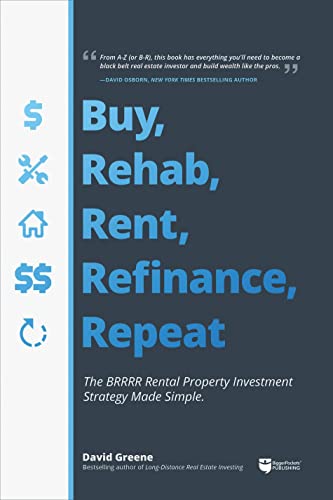
Buy, Rehab, Rent, Refinance, Repeat: The BRRRR Rental Property Investment Strategy Made Simple
As an affiliate, we earn on qualifying purchases.
As an affiliate, we earn on qualifying purchases.