Intercultural conflicts can feel vastly different because your cultural background shapes how you approach arguments. You might prefer direct confrontation, while someone else favors an indirect method. This difference in style can lead to misunderstandings, especially in emotional expression and power dynamics. Some cultures value relationships over quick solutions, and this influences how conflicts are resolved. Understanding these nuances can turn frustration into growth. Discover how these elements can transform your interactions further.
Key Takeaways
- Cultural preferences for direct or indirect confrontation shape how conflicts are perceived and managed across different societies.
- Emotional expression varies widely; some cultures view emotions as strength, while others see them as a sign of weakness.
- Power dynamics influence conflict dynamics; hierarchical cultures may suppress voices, causing frustration and feelings of disempowerment.
- Resolution strategies differ; some cultures prioritize relationships, while others focus on achieving quick outcomes, impacting conflict resolution styles.
- Flexibility and empathy are crucial; recognizing diverse perspectives can transform conflicts into opportunities for growth and stronger connections.

When traversing the complex landscape of intercultural interactions, understanding conflict styles is essential. You might find that the same argument feels entirely different depending on the cultural dimensions at play. For instance, some cultures prioritize direct confrontation, while others lean toward a more indirect approach. This divergence can create considerable communication barriers that complicate negotiations. Recognizing these styles helps you navigate conflicts more effectively.
As you engage with individuals from diverse backgrounds, keep in mind that emotional expression varies widely. In some cultures, displaying emotions openly is acceptable, while in others, it’s considered a weakness. This discrepancy can affect how conflict is perceived and handled. You may find yourself in a situation where your straightforward expression of frustration is met with silence or avoidance. Understanding these contextual differences can illuminate why someone reacts differently than you expect. Cultural dimensions also influence how emotions are expressed and interpreted during conflicts. Additionally, being aware of mental wellbeing indexes can provide insights into how stress and emotional stability impact conflict responses across cultures. Moreover, recognizing the importance of long-term financial planning can play a role in conflict resolution, especially when disagreements involve resource allocation or future planning. Furthermore, understanding the influence of power dynamics can help you better interpret the underlying motives in intercultural disputes. Recognizing the impact of cultural values on conflict resolution styles can also help bridge misunderstandings and foster better communication.
Power dynamics also play an important role in intercultural conflicts. In hierarchical societies, authority figures may dominate discussions, which can lead to feelings of disempowerment for others. Conversely, in more egalitarian cultures, everyone’s opinion is valued equally. If you’re accustomed to a more democratic approach, you might feel frustrated when authority figures overshadow your voice. Being aware of these power dynamics enables you to adjust your negotiation tactics, ensuring that everyone feels heard.
Moreover, resolution strategies can differ greatly across cultures. Some cultures emphasize preserving relationships, while others focus on reaching a quick resolution. If you prioritize the outcome over the relationship, you might come off as aggressive or insensitive. Adapting your approach to align with a relationship-focused style can foster collaboration and promote mutual understanding.
In intercultural settings, it’s important to remain flexible. You may need to alter your communication style, acknowledging that your perspective isn’t the only valid one. As you practice empathy, you’ll discover that conflicts can become opportunities for learning and growth. By embracing this mindset, you’ll not only navigate through disagreements with a more profound appreciation for diverse viewpoints.
Ultimately, recognizing the nuances in conflict styles helps you build stronger connections. Rather than viewing conflicts as obstacles, see them as chances to deepen your understanding of others. By doing so, you’ll not only enhance your negotiation skills but also create an environment where collaboration thrives. Understanding intercultural conflict styles is more than just resolving issues; it’s about enriching your relationships and broadening your worldview.

Intercultural Business Negotiations: Deal-Making or Relationship Building
As an affiliate, we earn on qualifying purchases.
As an affiliate, we earn on qualifying purchases.
Frequently Asked Questions
How Do Cultural Backgrounds Influence Communication Styles in Conflict?
Cultural backgrounds shape your communication styles in conflict by influencing emotional expression and trust building. Different cultural norms can create communication barriers, making it tough to understand each other’s conflict perception. For instance, some cultures may favor direct negotiation tactics, while others prefer subtlety. Recognizing these differences helps you navigate conflicts more effectively and fosters better relationships, allowing for a more constructive dialogue and resolution that respects everyone’s background.
What Role Does Language Play in Intercultural Misunderstandings?
Language plays an essential role in intercultural misunderstandings. You encounter language barriers that can create confusion, especially with semantic differences and idiomatic expressions. Cultural nuances add layers to communication, affecting how messages are interpreted. Contextual meanings might shift based on your background, leading to misinterpretations. Nonverbal cues also vary across cultures, complicating interactions further. Being aware of these factors can help you navigate conversations more effectively and reduce misunderstandings.
Can Conflict Styles Change Over Time With Experience?
Yes, your conflict styles can definitely change over time with experience. As you encounter diverse perspectives, you adapt your approach, leading to conflict evolution. You might find yourself becoming more open-minded or learning to navigate emotions better. This adaptation not only improves your communication skills but also enhances your ability to resolve disagreements. Embracing these changes fosters personal growth and strengthens your relationships, making you more effective in handling conflicts in various situations.
How Do Gender and Culture Intersect in Conflict Resolution?
Gender and culture intersect in conflict resolution by shaping how you express emotions and negotiate. You might notice that cultural perceptions influence gender dynamics, affecting your negotiation tactics. For instance, in some cultures, men might be expected to assertively express their views, while women may prioritize harmony. These differences can lead to misunderstandings, as emotional expression varies. Recognizing these intersections can enhance your conflict resolution skills and foster more effective communication.
What Strategies Can Improve Intercultural Communication Skills?
To improve your intercultural communication skills, practice active listening and focus on empathy building. Enhance your cultural awareness by learning about different backgrounds. Pay attention to nonverbal cues, as they often convey meaning. Use effective feedback techniques to clarify misunderstandings and nurture relationships. Engage in adaptability training to adjust your communication style, and embrace perspective taking to better understand others’ viewpoints. These strategies will strengthen your interactions across cultures.
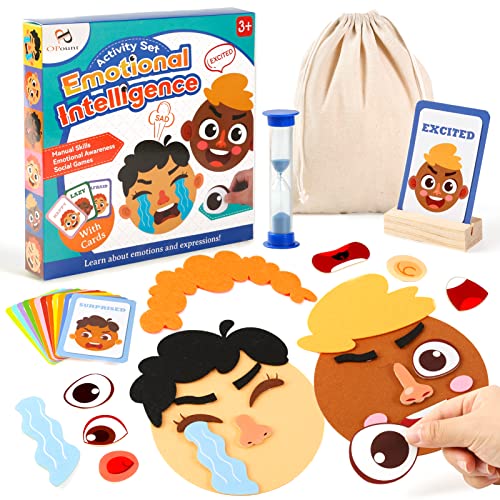
PP OPOUNT Social Emotional Learning Toy, Funny Faces Games
- Educational Social Skills Toy: Enhances emotional understanding and social skills
- Express Emotions Freely: Features diverse facial expressions from smiles to frowns
- Guided Emotion Learning: Includes 12 double-sided emotion flash cards with coping tips
As an affiliate, we earn on qualifying purchases.
As an affiliate, we earn on qualifying purchases.
Conclusion
In the grand circus of human interaction, your argument might feel like a lion tamer’s whip one day and a gentle breeze the next! These intercultural conflict styles can turn a simple disagreement into a wild rollercoaster ride, filled with unexpected twists and turns. So, next time you find yourself in a heated debate, remember: it’s not just you—it’s a dazzling cultural kaleidoscope at play! Embrace the chaos, and you might just discover a thrilling new perspective.

Global Negotiation: The New Rules
- Condition: Used Book in Good Condition
As an affiliate, we earn on qualifying purchases.
As an affiliate, we earn on qualifying purchases.

The Management Training Tool Kit: 35 Exercises to Prepare Managers for the Challenges They Face Every Day
As an affiliate, we earn on qualifying purchases.
As an affiliate, we earn on qualifying purchases.