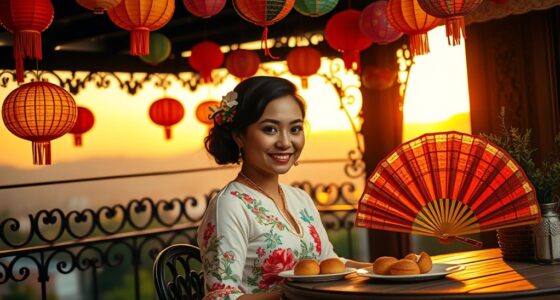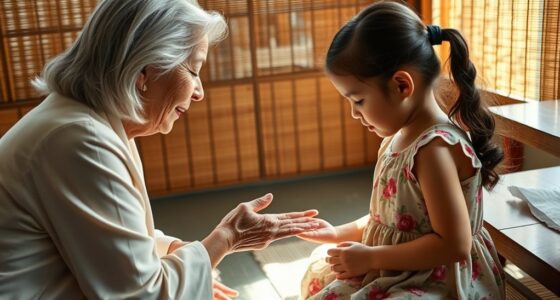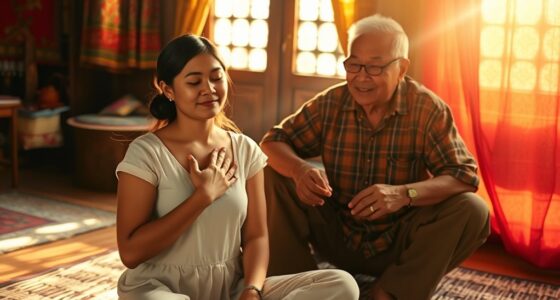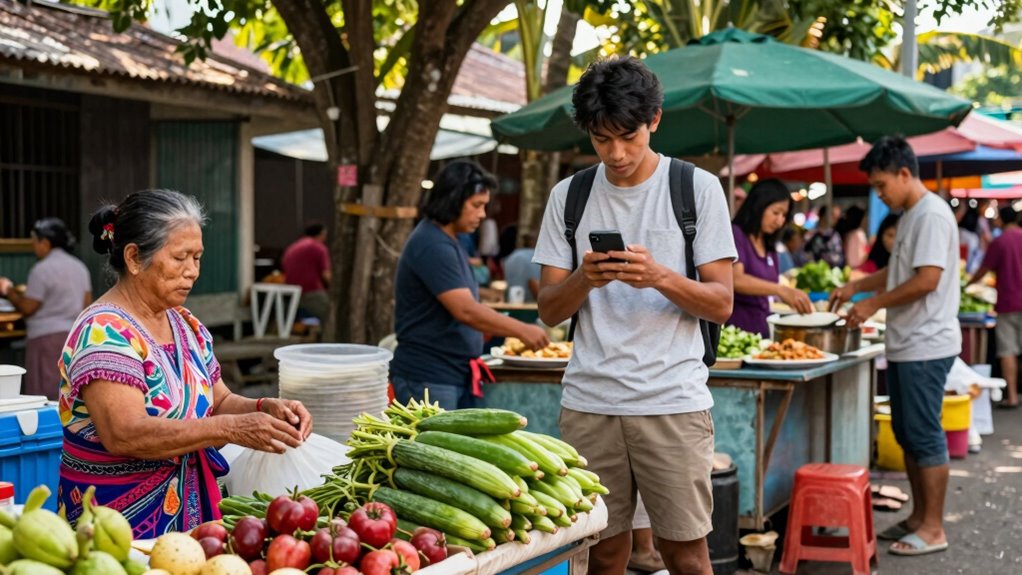

Gender roles in the Philippines are a unique blend of tradition and modernity. You’ll notice men often take on the breadwinner role, while women traditionally focus on caregiving. However, things are evolving. Women are asserting their identities and breaking barriers in various fields. Men are increasingly sharing household responsibilities, creating a more egalitarian dynamic. This ongoing shift highlights resilience and adaptability in Filipino society. Discover how these changes are reshaping family and workplace dynamics even further.

Get gifts for the two of you delivered free with Prime
- Fast, free delivery on millions of items
- Prime Video, Amazon Music and more included
- Member-only deals all year
Key Takeaways
- Traditional gender roles in the Philippines often designate men as breadwinners and women as primary caregivers, especially in rural areas.
- Modern society sees women increasingly asserting their identities and pursuing educational and professional opportunities across various fields.
- Shifts in familial responsibilities are evident, with men sharing household duties and parenting more equally alongside women.
- Workplace dynamics are evolving, as women break into male-dominated fields despite facing challenges like pay gaps and limited advancement opportunities.
- Ongoing efforts for gender equality reflect a societal transformation, with both men and women challenging traditional expectations and embracing progressive ideas.
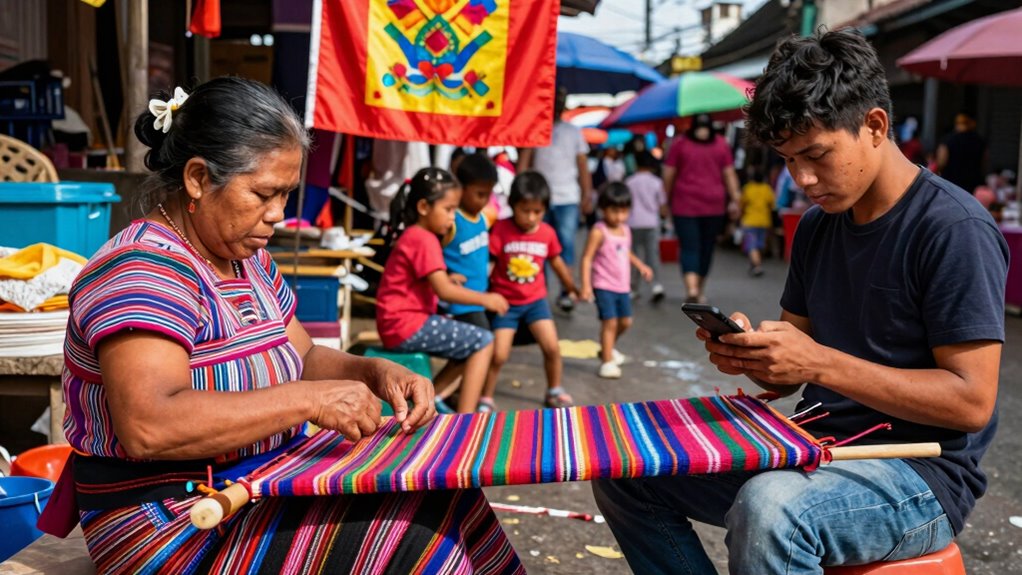
In the vibrant tapestry of Filipino culture, gender roles play an essential part in shaping social dynamics. You might notice how cultural expectations influence everything from familial responsibilities to workplace dynamics. Traditionally, men often take on the role of breadwinners, while women are seen as caregivers. However, as you explore modern Filipino society, you’ll find that these roles are evolving. The interplay of historical context and contemporary influences shapes the identities of both men and women in significant ways.
In the evolving landscape of Filipino culture, traditional gender roles are being reshaped, reflecting a dynamic interplay of history and modern influences.
In many rural areas, you may still observe traditional structures where women are primarily responsible for the home. Yet, even in these settings, women are increasingly finding ways to assert their identities. Educational opportunities have expanded, allowing women to pursue careers alongside their domestic duties. This shift is accentuated by the media, which portrays diverse representations of women—showing them not only as homemakers but also as leaders and professionals. You might see this contrast most vividly when comparing rural versus urban environments. In cities, women often occupy positions in various sectors, showcasing a blend of traditional and modern roles.
Moreover, familial responsibilities are shifting. While the expectation for women to manage the household remains strong, many men are stepping up to share these duties. This change reflects a growing recognition of the significance of partnership in parenting. As you observe families, you’ll witness a more equitable distribution of tasks, driven by mutual respect and collaboration. Additionally, the media plays an important role in spotlighting these issues, pushing for greater awareness and change.
Workplace dynamics are also evolving. You might find that women are breaking barriers in fields previously dominated by men, such as engineering and business. However, challenges remain. Despite their qualifications, women often face obstacles like pay gaps and limited advancement opportunities. The media plays an important role in spotlighting these issues, pushing for greater awareness and change. As the societal understanding of gender roles continues to expand, the influence of gender norms is gradually diminishing, fostering a more inclusive environment for everyone.
Furthermore, ongoing efforts in gender equality are actively reshaping societal perceptions, encouraging both men and women to challenge traditional expectations. You may also notice a shift in societal attitudes, as more communities embrace progressive ideas about gender roles and mutual respect. As you navigate through these layers of gender roles, it’s clear that identities are not static. They’re molded by a combination of personal choices and societal pressures. The ongoing dialogue about gender in the Philippines reflects a broader push for equality and inclusion. You’ll find that both men and women are redefining their roles, influenced by the changing landscape of Filipino culture. This ongoing transformation is a reflection of the resilience and adaptability of Filipino society, where traditional norms are continuously challenged and reshaped.
gender equality educational books Philippines
As an affiliate, we earn on qualifying purchases.
As an affiliate, we earn on qualifying purchases.
Frequently Asked Questions
How Do Gender Roles Differ in Urban Versus Rural Areas of the Philippines?
In urban areas, you’ll notice gender roles shaped by urban dynamics and social mobility, leading to more egalitarian expectations. Meanwhile, rural traditions often enforce stricter gender expectations tied to familial roles and community norms. Economic factors also play a role; in cities, women might pursue careers, while in rural areas, they often focus on household duties. Cultural influences further shape these differences, creating distinct gender experiences based on location.
What Impact Do Religious Beliefs Have on Gender Roles?
You might think religion doesn’t really affect gender roles, but it actually plays a huge part. Your faith influences how you view masculinity and femininity, shaping expectations within families and communities. In many cases, cultural practices tied to religious beliefs reinforce traditional roles, limiting opportunities for some. However, in more modern contexts, faith can also encourage equality, allowing individuals to challenge outdated norms and embrace more progressive views on gender.
Are There Specific Laws Addressing Gender Equality in the Philippines?
Yes, there are specific laws addressing gender equality in the Philippines. You’ll find legal frameworks like the Magna Carta of Women and the Anti-Violence Against Women and Their Children Act. These gender equality laws aim to promote equal rights and opportunities, protecting individuals from discrimination and violence. By understanding these laws, you can better navigate the rights and protections available, fostering a more equitable society for everyone.
How Are Lgbtq+ Rights Viewed in Relation to Traditional Gender Roles?
LGBTQ+ rights challenge traditional gender roles by promoting diverse identities and expressions. You’ll notice that as LGBTQ+ representation grows, societal acceptance tends to increase too. Many people begin to embrace a broader understanding of gender beyond the binary. While some still cling to traditional views, others advocate for equality, pushing for legal protections and recognition. This dynamic shift helps create a more inclusive society, allowing everyone to express their true selves without fear.
What Role Does Education Play in Changing Gender Perceptions?
Education plays an essential role in changing gender perceptions; studies show that countries with higher education access for girls see a 25% decrease in gender-based discrimination. By implementing curriculum changes that promote gender equality and challenge stereotypes, you help reshape attitudes from an early age. When you empower students with knowledge, they’re more likely to embrace diverse identities and foster a more inclusive society, breaking down traditional barriers for future generations.
household responsibility sharing tools
As an affiliate, we earn on qualifying purchases.
As an affiliate, we earn on qualifying purchases.
Conclusion
In the Philippines, gender roles have evolved, blending traditional expectations with modern ideals. While some still cling to the past, where men are breadwinners and women are caregivers, a new generation embraces equality and shared responsibilities. This juxtaposition creates a rich tapestry of identities and experiences. As you navigate these shifting dynamics, remember that progress doesn’t erase tradition; it enriches it. Embrace the complexities, and you’ll find empowerment in both the old and the new.
women's professional attire Philippines
As an affiliate, we earn on qualifying purchases.
As an affiliate, we earn on qualifying purchases.
As an affiliate, we earn on qualifying purchases.
Halloween Picks
halloween
As an affiliate, we earn on qualifying purchases.