

If you’ve got a conditional green card and want to remove the conditions, you’ll need to file Form I-751. Do this within the 90 days before your card expires. You’ll need to show proof that your marriage is genuine, like joint bank statements and photos together. If you’re still together, you can file jointly. If separated, you might need a waiver. Stay prepared; knowing the process can make a big difference in your journey ahead.

Get gifts for the two of you delivered free — and shop member deals
- Fast, free delivery on millions of items
- Access to Prime Big Deal Days deals on October 6–7
- Prime Video, Amazon Music and more included
Key Takeaways
- File Form I-751 within 90 days before your conditional green card expires to remove conditions on residency.
- Jointly submit the application with your spouse to simplify the process if you are still together.
- Provide strong supporting documentation, like joint bank statements and photos, to prove the authenticity of your marriage.
- Expect a receipt confirmation from USCIS that extends your conditional residency while your application is reviewed.
- Be prepared for a possible interview to verify the legitimacy of your marriage during the application process.
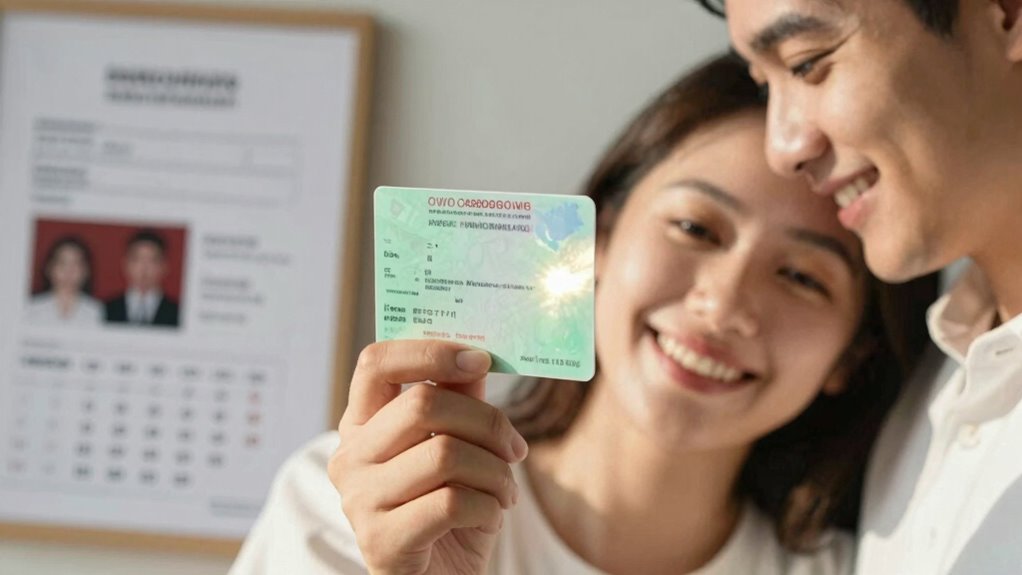
If you’re maneuvering through the complexities of U.S. immigration, understanding the Conditional Green Card (I-751) is fundamental. This status is typically granted to individuals who’ve been married for less than two years to a U.S. citizen or permanent resident. The goal here is to guarantee that your marriage is genuine and not just a means to gain residency. To shift from a conditional to a permanent green card, you’ll need to remove the conditions on your residency, which involves meeting specific conditional residency requirements.
First off, you need to file Form I-751, and it’s essential to do this within the 90-day window before your conditional green card expires. This is where the joint filing process comes into play. Both you and your spouse must sign the application, affirming that your marriage is real and ongoing. If you’re still together, this joint filing simplifies your case, but if you’re facing separation or divorce, you may need to seek a waiver, which can complicate the process.
When you fill out the I-751 form, you’ll need to provide evidence supporting your marriage. Think of documents like joint bank statements, utility bills with both names, and photos from shared experiences. The more proof you can provide, the stronger your application will be. The U.S. Citizenship and Immigration Services (USCIS) wants to see that your relationship is authentic, so don’t hesitate to gather as much supporting documentation as possible.
Once you file your I-751, USCIS will send you a receipt confirming they received your application. This receipt will extend your conditional residency status while they review your case. Remember, you may be called for an interview where you and your spouse will be asked questions to verify the legitimacy of your marriage. It’s important to prepare for this, as it’s a significant part of the process.
After your application is approved, you’ll receive your permanent green card, which grants you the same rights as any other permanent resident. However, if your I-751 is denied, you could face removal proceedings, so it’s crucial to approach this process diligently. Maneuvering through the conditional residency requirements can feel overwhelming, but with meticulous preparation and attention to detail, you can successfully secure your permanent status.
As an affiliate, we earn on qualifying purchases.
Frequently Asked Questions
What Documents Are Required for the I-751 Application?
For the I-751 application, you’ll need an application checklist that includes required evidence like your marriage certificate, proof of joint financial assets, and shared responsibilities. Gather documents such as tax returns, bank statements, and photos together. Also, include any relevant affidavits from friends or family verifying your relationship. Make sure everything’s organized, as a complete submission can help avoid delays in the process.
How Long Does the I-751 Process Typically Take?
Typically, the I-751 processing time takes around 12 to 18 months. During this conditional residency timeline, you should prepare for potential delays due to demand or additional requests from USCIS. Staying proactive and organized can help smooth the process. Keep track of your application status and respond promptly to any inquiries. Remember, patience plays an essential role in managing this journey toward permanent residency!
Can I Travel While My I-751 Is Pending?
Yes, you can travel while your I-751 is pending, but you should follow specific travel guidelines. Make certain to carry your receipt notice as proof of your pending application. Keep in mind re-entry concerns; if you’re gone for too long, it could raise questions about your residency. It’s wise to consult an immigration attorney to guarantee you understand potential risks and avoid complications upon your return to the U.S.
What Happens if My I-751 Is Denied?
If your I-751 is denied, it’s like losing a key to a locked door. You face conditional residency challenges head-on. You can explore I-751 appeal options, seeking a review of the decision. Alternatively, you might consider reapplying or even consulting an immigration attorney for guidance. Don’t lose hope; each path has its own lessons, and persistence can lead you to the right solution. Stay informed and proactive in your next steps.
Is Legal Representation Necessary for Filing the I-751?
While legal representation isn’t mandatory for filing the I-751, it can be beneficial. An attorney can help you navigate application challenges, ensuring you meet all requirements. They often provide valuable filing strategies that can strengthen your case. Though you’ll incur attorney fees, the legal benefits you gain might outweigh these costs, especially if complications arise. Ultimately, having professional guidance can make a significant difference in your application’s success.
As an affiliate, we earn on qualifying purchases.
Conclusion
In summary, maneuvering through the nuances of removing conditions on your conditional green card can be an intimidating dance. But don’t despair! By diligently gathering documents and demonstrating your genuine relationship, you can successfully secure your permanent residency. Remember, preparation is key, and patience pays off. So, stay strong and steadfast in your pursuit of a stable status. With the right steps, you’ll soon be savoring the sweetness of your well-deserved success!
As an affiliate, we earn on qualifying purchases.
US marriage visa support documents
As an affiliate, we earn on qualifying purchases.
As an affiliate, we earn on qualifying purchases.
Fall Picks
fall essentials
As an affiliate, we earn on qualifying purchases.