Adjusting to Filipino food and cooking can be exciting but requires patience and an open mind. Start by focusing on simple dishes like adobo, using familiar ingredients and familiar techniques. Don’t hesitate to substitute ingredients like soy sauce for bagoong or lemon for calamansi—you’ll get more comfortable over time. Embrace the flavors, experiment gradually, and enjoy the process. As you continue exploring, you’ll discover new tastes and techniques that make Filipino cuisine truly rewarding.
Key Takeaways
- Start with simple Filipino dishes like adobo to build confidence and familiarity with flavors.
- Use ingredient substitutions, such as soy sauce for bagoong or lemon for calamansi, to ease into authentic recipes.
- Focus on mastering core ingredients and techniques gradually to prevent feeling overwhelmed.
- Experiment with flavor adjustments and cooking methods to personalize dishes and deepen understanding.
- Embrace patience and view learning Filipino cuisine as a cultural journey that enriches your culinary skills.
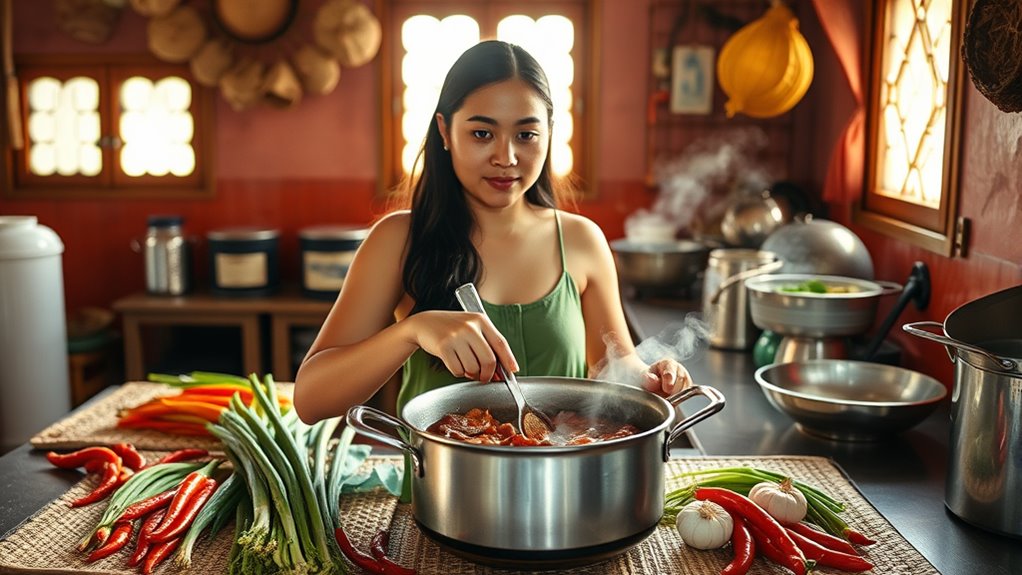
Have you ever wondered why Filipino food can be both exciting and challenging to get used to? It’s because the flavors, textures, and cooking methods are so different from what you might be accustomed to. When you begin exploring Filipino cuisine, one of the first hurdles is adapting to its unique ingredients and flavors. You might find yourself curious about the best way to approach meal preparation without feeling overwhelmed. The key is to start simple, focusing on understanding the core ingredients and techniques used in Filipino dishes.
As you plunge into Filipino cooking, you’ll quickly realize that ingredient substitution can help make familiar dishes more approachable. For example, if you’re not used to cooking with ingredients like bagoong (fermented shrimp paste) or calamansi (Filipino lime), try substituting them with more familiar items. Soy sauce or fish sauce can sometimes replace bagoong, and lemon or lime can stand in for calamansi. These substitutions allow you to get a sense of the flavors without feeling like you’re completely unfamiliar with what you’re using. Over time, as you become more comfortable with these ingredients, you can experiment with authentic versions.
Meal preparation for Filipino dishes often involves layering flavors and balancing sweet, sour, salty, and savory elements. This can seem complicated at first, especially if you’re used to more straightforward cuisines. To simplify, focus on one dish at a time. For instance, if you’re preparing adobo, start with basic ingredients like chicken or pork, soy sauce, vinegar, garlic, and pepper. As you get more confident, you can add flavor boosters like bay leaves or sugar. Remember that cooking Filipino food often involves simmering or braising, which makes the meat tender and allows flavors to meld beautifully. Following traditional recipes can guide you, but don’t be afraid to adjust seasonings to suit your palate.
Start with simple Filipino dishes like adobo; focus on layering flavors gradually.
Getting comfortable with Filipino cuisine also means understanding that some ingredients are flexible. If you can’t find a particular vegetable or spice, look for a substitute that offers a similar flavor profile. For example, if you can’t find labuyo peppers for a spicy dish, use small red chilies instead. This adaptability makes meal preparation more accessible and less intimidating. Additionally, incorporating space and organization techniques such as creating dedicated zones for ingredients or tools can streamline your cooking process and reduce stress. As you experiment and tweak recipes, you’ll learn what works best for you, making Filipino cooking an enjoyable journey rather than an intimidating task. With patience and a willingness to explore, you’ll soon find that embracing her cuisine becomes a rewarding experience, enriching your culinary repertoire and deepening your appreciation for Filipino culture.
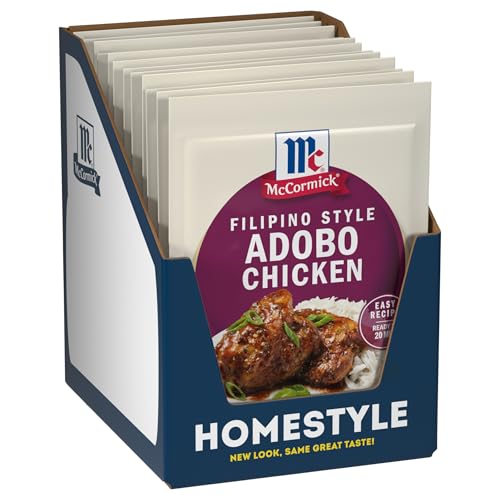
McCormick Seasoning Mix, Filipino Style Adobo Chicken, For Savory, Sweet & Tangy Filipino Style Adobo Chicken in Just 20 Minutes, 1.25 oz (Pack of 12)
ADOBO CHICKEN FROM YOUR KITCHEN: Make a Philippines-inspired favorite right at home in just 20 minutes – chicken…
As an affiliate, we earn on qualifying purchases.
As an affiliate, we earn on qualifying purchases.
Frequently Asked Questions
What Are the Staple Ingredients in Filipino Cuisine?
You’ll find Filipino ingredients like rice, fish sauce, soy sauce, vinegar, garlic, onions, and ginger at the core of many dishes. Staple spices such as black pepper, chili, and laurel leaves add depth and heat. These ingredients and spices form the foundation of Filipino cuisine, making your cooking flavorful and authentic. Embrace these staples, and you’ll quickly capture the vibrant essence of Filipino flavors in every meal.
How Do Filipino Flavors Differ From Other Asian Cuisines?
Filipino flavors stand out with bold, savory, and tangy profiles, often blending sweet, sour, and salty tastes in dishes like adobo and sinigang. Unlike other Asian cuisines that may emphasize specific ingredients or techniques, Filipino cuisine incorporates fusion dishes that reflect its diverse history. You’ll notice a unique harmony of flavors, where vinegar, soy, and tropical fruits create a distinctive taste that’s both comforting and vibrant.
Are Filipino Dishes Suitable for Vegetarians?
You’ll find Filipino dishes can be quite suitable for vegetarians with some creative vegetarian adaptations. For example, a traditional adobo can be made with tofu instead of meat, offering delicious plant-based options. Many Filipino recipes use vegetables, coconut milk, and legumes, making them adaptable for vegetarians. So, with a little ingenuity, you can enjoy authentic Filipino cuisine that suits your dietary preferences.
What Are Common Filipino Cooking Techniques?
Filipino cooking methods include sautéing, boiling, steaming, and frying, which are staple traditional Filipino techniques. You’ll often see ingredients stir-fried with garlic, onions, and spices, or boiled to create hearty soups like sinigang. Steaming is common for dishes like puto, while frying is essential for crispy lechon or lumpia. These traditional Filipino techniques help bring out bold flavors and textures, making Filipino cuisine uniquely delicious and comforting.
How Can I Find Authentic Filipino Restaurants Nearby?
To find authentic Filipino restaurants nearby, start by exploring local food festivals and Filipino culinary tours in your area. These events often showcase genuine flavors and connect you with trusted eateries. Additionally, check online reviews, community boards, or social media groups dedicated to Filipino cuisine. Asking friends or locals familiar with Filipino culture can also lead you to hidden gems serving authentic dishes you’ll love to try.
Filipino ingredients substitution set
As an affiliate, we earn on qualifying purchases.
As an affiliate, we earn on qualifying purchases.
Conclusion
As you continue to embrace Filipino cuisine, you realize it’s more than just flavors—it’s a journey of discovery and connection. With each new dish, you uncover stories and traditions that run deeper than taste. But there’s always more to explore, more layers waiting to be revealed. Are you ready to dive even deeper into this vibrant culture? Because once you do, you might find that the real flavor lies beyond what your senses can grasp.
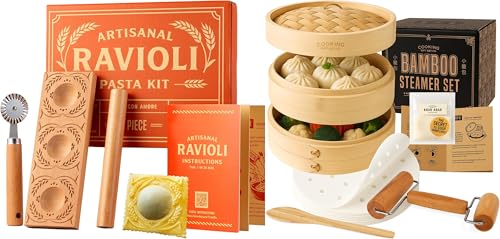
Cooking Gift Set Co. Bamboo Steamer & Ravioli Maker Gift Set – 2-in-1 Asian + Italian Cooking Kit – Unique Cooking Gift for Food Lovers
2-in-1 Dumpling Steamer & Ravioli Press – Master two world cuisines in one gift set! Make authentic soup…
As an affiliate, we earn on qualifying purchases.
As an affiliate, we earn on qualifying purchases.

Iberia Long Grain Parboiled Rice, 5 lb. + Iberia Adobo All Purpose Seasoning, Without Pepper, 16 oz
1 of Iberia Parboiled Rice, 5 lb.
As an affiliate, we earn on qualifying purchases.
As an affiliate, we earn on qualifying purchases.