
Understanding Filipino family values means recognizing how respect for elders, traditional gender roles, and loyalty shape your relationships. You’ll see that family members support each other through shared responsibilities and cultural customs, fostering strong bonds. Respect, especially towards elders, promotes harmony and unity, while gender roles provide stability. These deep-rooted values influence daily interactions and long-term connections. If you want to explore how these traditions continue to impact Filipino families today, keep exploring these fascinating customs.
Key Takeaways
- Traditional gender roles shape family responsibilities, emphasizing men as providers and women as caregivers, influencing relationship dynamics.
- Respect for elders fosters family cohesion, reinforcing intergenerational bonds and mutual support.
- Core values like duty and loyalty promote unity and resilience within Filipino family relationships.
- Cultural emphasis on respect and traditional roles guides behavior, maintaining harmony and conflict avoidance.
- These values sustain Filipino identity, shaping daily interactions and long-term familial bonds.

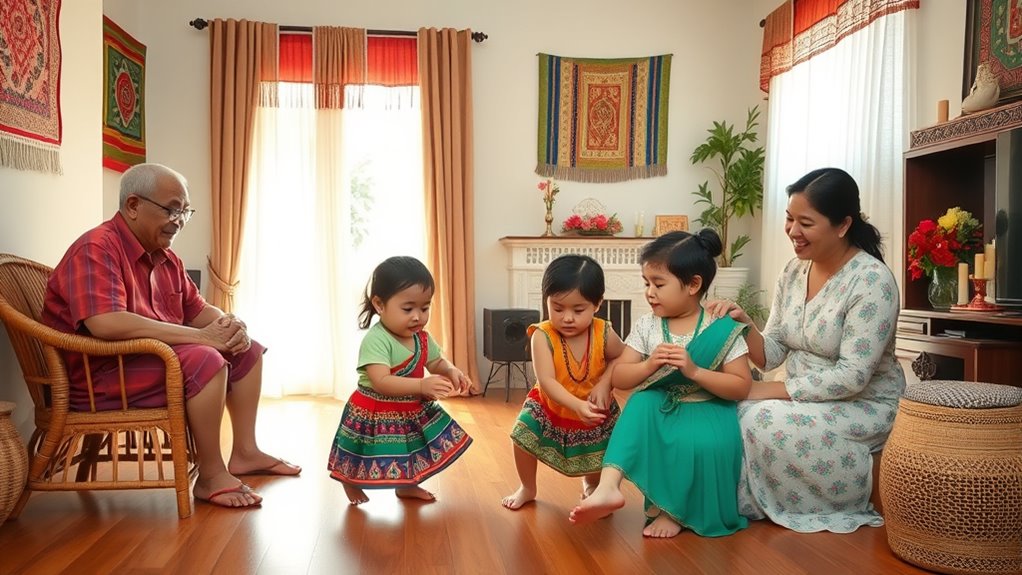
Filipino family values are at the heart of everyday life, shaping how people relate to one another and prioritize their relationships. These values influence your actions, your interactions, and the way you see your role within the family. One key aspect you’ll notice is the importance placed on traditional gender roles. Men are often expected to be providers and protectors, while women tend to be caregivers and nurturers. These roles aren’t just about chores or responsibilities—they’re deeply rooted in Filipino culture and shape how family members interact and support each other. You might find that men are encouraged to be strong and decisive, while women are valued for their patience and compassion. Even as society evolves, these roles still influence family dynamics, guiding expectations and behaviors. Understanding this helps you appreciate why certain responsibilities are assigned to specific members and how this division maintains harmony within the household. Additionally, these cultural values are reinforced through community practices and family traditions that emphasize unity and mutual support.
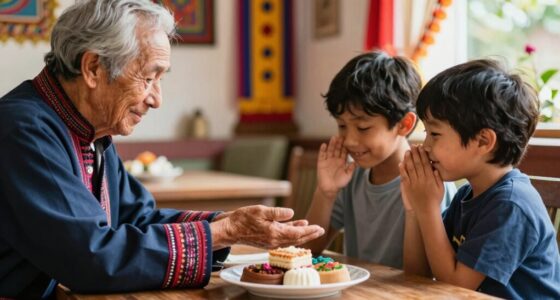
Respect for elders is another cornerstone of Filipino family values that profoundly impacts your relationships. From a young age, you’re taught to show deference to your parents, grandparents, and other older relatives. This respect manifests in simple acts like using polite language, greeting elders with gestures such as a mano (a traditional sign of respect), and listening attentively when elders speak. Respect isn’t just a formality; it’s a reflection of your recognition of their wisdom, experience, and the sacrifices they’ve made for the family. Upholding this value fosters a sense of unity and reinforces the bond between generations. It also shapes your attitude toward authority and tradition, making you more conscious of maintaining harmony and avoiding conflict. When you respect your elders, you reinforce the family’s cohesion, ensuring that values and customs are passed down smoothly. This deep-rooted respect encourages a nurturing environment where family members support each other through life’s challenges. The strong emphasis on filial piety further emphasizes the importance of intergenerational relationships in Filipino culture.
Together, these values—adherence to traditional gender roles and respect for elders—serve as guiding principles that influence your daily interactions and long-term relationships. They foster a sense of duty, loyalty, and interconnectedness that define Filipino family life. Embracing these values doesn’t mean you’re stuck in the past; rather, they provide a framework that continues to shape your identity and your relationships with family members. By understanding and respecting these core principles, you help preserve the cultural fabric that keeps Filipino families strong, united, and resilient through generations.

Love More, Fight Less: Communication Skills Every Couple Needs: A Relationship Workbook for Couples
As an affiliate, we earn on qualifying purchases.
Frequently Asked Questions
How Do Filipino Family Values Influence Gender Roles?
Filipino family values shape gender roles by emphasizing traditional gender expectations, where men are seen as providers and women as nurturing caregivers. You might notice that parental authority reinforces these roles, guiding children to follow specific behaviors based on gender. These cultural norms influence how you and others navigate relationships, often fostering respect for elders and maintaining clear distinctions in responsibilities between men and women within the family.
Are Filipino Family Values Changing With Modern Influences?
Yes, Filipino family values are evolving due to generational shifts and cultural adaptation. You’ll notice younger generations embracing more modern perspectives, balancing traditional respect and family ties with individualism. While core values like close family bonds remain, there’s greater openness to change in gender roles and personal choices. This ongoing shift reflects how Filipino society adapts to global influences, creating a dynamic mix of tradition and modernity.
How Is Respect Shown to Elders in Filipino Families?
You show respect to elders through gestures of respect like a polite greeting, such as a mano or a bow. You also communicate with elders respectfully by using polite language and listening attentively. Addressing them with proper titles like “Lola” or “Lolo” demonstrates your regard. These gestures of respect not only honor their age but also strengthen your family bonds and uphold Filipino cultural values.
What Is the Role of Religion in Filipino Family Values?
Religion plays a central role in Filipino family values by shaping your faith practices and guiding your daily life. You actively participate in religious celebrations, which strengthen family bonds and community ties. Your faith influences how you show respect, care for elders, and uphold traditions. These religious activities create a sense of unity and moral responsibility, reinforcing the importance of faith in maintaining harmony within Filipino families.
How Do Filipino Family Values Affect Marriage Choices?
You’ll find that Filipino family values heavily influence marriage choices, with about 80% of marriages involving parental approval. Many couples opt for arranged marriages or seek their parents’ blessing, emphasizing respect and family harmony. This tradition guarantees that decisions align with family expectations, making marriage a collective effort. Your family’s opinion often guides your choices, reinforcing strong family bonds and cultural continuity.

Communication Skills for Couples: Guide to Improve Communications, Resolve Conflict, Deepen Intimacy, Strengthen Marriage and Create a Healthy Relationship
As an affiliate, we earn on qualifying purchases.
Conclusion
Understanding Filipino family values is like holding a warm, guiding light in your hands; it shapes how you connect, respect, and support your loved ones. These values foster strong bonds and unwavering loyalty, influencing your relationships deeply. By embracing these traditions, you create a foundation built on love and respect that lasts a lifetime. Just as a sturdy tree withstands storms, your family’s values will keep your relationships resilient and rooted in cultural pride.

Couples Communication Workbook: 20 Minutes a Day for 12 Days to Improve Listening, Resolve Conflicts, and Strengthen Your Relationship (Relationship Skills Series)
As an affiliate, we earn on qualifying purchases.

Reconnect: A Marriage Counseling Workbook: Guided Conversations & Exercises for a Long-Lasting Relationship
As an affiliate, we earn on qualifying purchases.