

Liam and Angel prepared thoroughly for Typhoon Odette, gathering supplies and securing their home ahead of time. They stayed indoors, avoided windows, and kept communication devices charged to receive real-time updates. Calm cooperation and a clear emergency plan helped them stay safe and manage panic. Checking on each other and maintaining contact with neighbors proved essential. Want to discover how they managed post-storm recovery and the lessons they learned? Keep exploring their experience.
Key Takeaways
- Liam and Angel prepared early by gathering emergency supplies and securing their home, ensuring safety during Typhoon Odette.
- They identified safe spots in their house and discussed evacuation routes beforehand to stay calm and organized.
- Maintaining charged phones and reliable communication devices helped them stay connected with authorities and neighbors.
- During the storm, they stayed indoors, listened to updates, and followed their safety plan to avoid injury from debris.
- Post-storm, they assessed damages, expressed gratitude for their preparedness, and learned the importance of planning for climate emergencies.

When Typhoon Odette struck unexpectedly, you and your new spouse found yourselves facing one of the most challenging moments of your life together. In those tense hours, your first priority was staying safe, which meant relying on your climate preparedness. You had taken some basic steps beforehand—gathering emergency supplies, securing your home, and knowing the safest spots in your house. Still, nothing fully prepares you for the chaos a powerful storm can bring. You quickly realized the significance of having a well-thought-out emergency plan, especially since weather conditions can change rapidly. You made sure your phone was charged and kept a portable charger handy, knowing that communication could be cut off at any moment. It was essential to stay connected with local authorities and loved ones, so you kept your emergency communication devices within reach. When the storm hit, the howling winds and heavy rain tested your resolve, but your prior planning kept panic at bay. You stayed indoors, away from windows, listening to updates through your radio and mobile alerts. This constant flow of information kept you informed about the storm’s progress and any rescue operations. You and your spouse kept in touch with neighbors and local authorities through your emergency communication network, sharing updates and offering support. It reinforced the significance of community and reliable communication channels during disasters. As the hours dragged on, you focused on maintaining calm, knowing that a clear plan and steady communication could make all the difference. You had already discussed evacuation routes and safe spots, but the storm’s intensity made you stay put longer than expected. During this time, your climate preparedness meant having essentials like bottled water, non-perishable food, flashlights, and first aid supplies close by. You also checked on each other frequently, reassuring yourselves that you were doing everything possible to stay safe. Once Odette passed, you stepped outside to assess the damage, grateful for your preparedness and the emergency communication lines that kept you connected. Your experience underscored just how essential it is to plan ahead for climate-related emergencies. By staying informed and maintaining open lines of communication, you and your spouse managed to navigate one of nature’s fiercest tests. That storm taught you that being prepared isn’t just about supplies but also about staying connected and informed—lessons you’ll carry with you long after Odette is gone.

Emergency Survival Kit for Hurricane, Storm, Tornado, El Nino Preparedness
- Prepare for El Niño Storms: Ready for 2026 storm season
- Hand-Assembled in New England: Professionally assembled and inspected
- Emergency Lifeline: Essential for floods and outages
As an affiliate, we earn on qualifying purchases.
As an affiliate, we earn on qualifying purchases.
Frequently Asked Questions
How Did Liam and Angel Prepare Before Typhoon Odette Arrived?
You should prepare by creating clear evacuation plans and practicing them with your family. Gather emergency kits with essentials like food, water, medicines, and flashlight. Check weather updates regularly and secure your home by reinforcing windows and doors. Packing important documents and keeping communication devices charged guarantees you’re ready for the storm. Being proactive and organized helps you stay safe and reduces panic when the typhoon approaches.
What Were the Immediate Challenges Faced During the Typhoon?
Irony hits hard when the storm’s chaos tests your emotional resilience and communication strategies. You face power outages, flooding, and fear, feeling more vulnerable than ever. The immediate challenge is staying calm and connected amidst the destruction, realizing that your ability to communicate openly becomes your lifeline. You learn that even in the storm’s fury, clear conversations and emotional strength help you navigate the chaos, forging a deeper bond.
How Did They Ensure Their Safety During the Storm?
During the storm, you prioritize safety by relying on emergency communication to stay informed and coordinate with authorities. You also lean on community support, ensuring you’re connected with neighbors and local groups for assistance and updates. By keeping emergency contact details handy and encouraging open communication, you can make quick decisions and stay safe throughout the typhoon’s impact. This collective effort helps you navigate the storm more securely.
What Resources or Supplies Were Most Helpful During the Ordeal?
Imagine being stranded with nothing but darkness and silence outside your window. During the storm, emergency kits and communication tools became your lifeline. The emergency kits provided essentials like food, water, and first aid, while communication tools kept you connected to loved ones and authorities. These resources offered reassurance and guidance, helping you stay calm and informed amidst chaos, proving that preparation truly makes a difference in survival.
How Has the Experience Affected Their Relationship Moving Forward?
Your experience has strengthened your relationship by fostering better communication and resilience. You’ve learned to share your feelings openly and listen more attentively, which helps you handle challenges together. This situation pushes you to grow closer, understanding each other’s needs better. Moving forward, you’ll likely face difficulties with more confidence and teamwork, knowing that your shared resilience and improved communication create a solid foundation for your marriage.
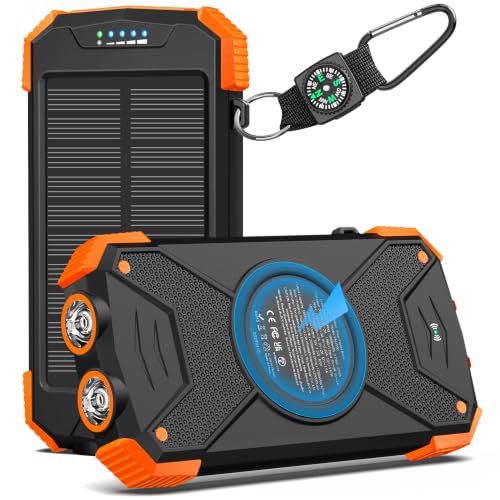
BLAVOR Solar Power Bank 10,000mAh, Portable Wireless Charger, 20W Fast Charging External Battery Pack with USB C for Cell Phones, Solar Panel Charging with Dual Flashlight for Camping
- Trusted Brand with Outdoor Focus: Over 10 years of solar power expertise
- Fast USB-C & Wireless Charging: 20W fast charging for multiple devices
- Supports Multiple Devices: Charge 3 devices simultaneously
As an affiliate, we earn on qualifying purchases.
As an affiliate, we earn on qualifying purchases.
Conclusion
As you face life’s storms together, remember Liam and Angel’s resilience during Typhoon Odette. Just like a sturdy boat steering turbulent waters, your unity and preparedness can carry you through even the fiercest winds. When the typhoon threatened to overturn everything, their love kept them grounded, proving that with trust and teamwork, you can weather any storm. Keep anchoring each other—your shared strength is your safest harbor in life’s unpredictable weather.

UltraPro Personal Security Window and Door Alarm, 4 Pack, Wireless Chime
- Loud 120DB Alarm: Deters intruders with loud siren or chime
- Easy Alert Control: Switch between off, chime, or alarm modes
- Wireless Installation: Tool-free mounting with double-sided tape
As an affiliate, we earn on qualifying purchases.
As an affiliate, we earn on qualifying purchases.

Midland – WR120B – NOAA Emergency Weather Alert Radio
- NOAA Weather Scan & Alerts: Over 60 weather hazard alerts
- Localized Programming: S.A.M.E. code for specific areas
- Custom Notification Settings: Alerts from up to 25 counties
As an affiliate, we earn on qualifying purchases.
As an affiliate, we earn on qualifying purchases.