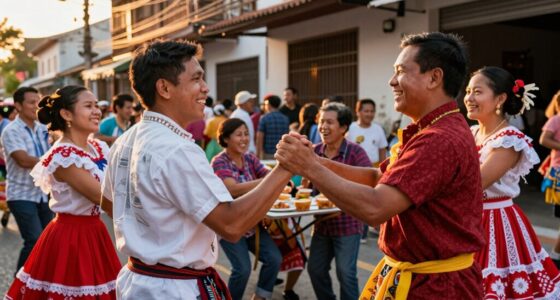

Using “Po” and “Opo” in Filipino conversations shows respect, humility, and acknowledgment, especially toward elders or authority figures. These words aren’t just polite expressions but active ways to foster harmony, trust, and understanding. They reflect cultural values passed down through generations, reinforcing social hierarchy and cooperation. By incorporating “Po” and “Opo,” you help preserve Filipino identity and strengthen relationships. Keep exploring, and you’ll discover even more about their deep cultural significance and role in daily life.
Key Takeaways
- “Po” and “Opo” are Filipino expressions of respect, humility, and acknowledgment in interactions, especially with elders.
- Using “Po” and “Opo” reinforces social hierarchy and shows recognition of authority or age.
- These words help foster trust, warmth, and harmonious relationships within families and communities.
- Incorporating “Po” and “Opo” preserves cultural values and passes down traditional norms across generations.
- They promote mutual respect, understanding, and strengthen bonds rooted in Filipino social and cultural identity.

Ever wondered what “Po” and “Opo” really mean in relationships? These simple words carry deep cultural significance in Filipino society, symbolizing respect, humility, and acknowledgment. When you hear someone say “Po” or “Opo,” they’re not just adding polite words to their speech; they’re actively engaging in respectful communication that honors tradition and social hierarchy. Using “Po” and “Opo” shows that you recognize and value the person’s age, status, or authority, reinforcing harmonious interactions. It’s a way to express deference without words that can sometimes feel formal or distant. Instead, these terms serve as a gentle reminder of the importance of respect in daily conversations, especially with elders or authority figures.
“Po” and “Opo” symbolize respect, humility, and acknowledgment in Filipino culture, fostering harmonious and meaningful relationships.
In Filipino culture, respect isn’t just a courtesy; it’s woven into the fabric of everyday life. Saying “Po” and “Opo” is more than polite speech—it’s a reflection of cultural values that emphasize humility and reverence. When you respond with “Opo” to an elder’s question or request, you’re acknowledging their experience and wisdom. Likewise, when you include “Po” in your sentences, it signals your recognition of social norms that uphold harmony and mutual respect. This practice fosters trust and warmth within relationships, whether they’re familial, social, or professional. It’s a way of showing that you honor the other person’s role and position, creating a respectful environment where everyone feels valued.
Respectful communication through the use of “Po” and “Opo” also helps preserve cultural identity. It’s a tradition that connects generations, passing down values of courtesy and humility. When you use these words consistently, you contribute to maintaining the cultural significance that defines Filipino interactions. It’s more than just language; it’s a cultural gesture that demonstrates your understanding of societal expectations. Over time, this respectful approach can deepen relationships, building trust through genuine acknowledgment of others’ dignity. Whether you’re speaking to elders, teachers, or authority figures, incorporating “Po” and “Opo” shows that you’re committed to honoring the cultural roots that shape Filipino social conduct.
In essence, these words are a small but powerful expression of respect. They remind you to stay humble, considerate, and mindful of others’ feelings and status. By embracing this tradition, you actively participate in a cultural practice that promotes respect and understanding in relationships. It’s a simple gesture that speaks volumes about your character and appreciation for Filipino values, fostering stronger bonds rooted in mutual respect and cultural pride. Recognizing the significance of cultural values like respect helps preserve the social fabric that binds communities together.
Filipino respect and humility books
As an affiliate, we earn on qualifying purchases.
As an affiliate, we earn on qualifying purchases.
Frequently Asked Questions
How Do “Po” and “Opo” Influence Relationship Dynamics?
You might notice that using “po” and “opo” fosters respectful communication, showing your regard for others. These words reflect cultural understanding and help maintain polite interactions, especially with elders or authority figures. By incorporating them into your conversations, you demonstrate respect and strengthen relationship dynamics. This cultural practice encourages mutual appreciation, making your interactions more courteous and meaningful, ultimately enhancing trust and harmony in your relationships.
Are “Po” and “Opo” Used Differently Across Cultures?
Imagine “po” and “opo” as delicate bridges, symbolizing respect across cultures. You’ll find that their use varies widely, reflecting cultural variations and linguistic differences. In some places, they’re signs of deep reverence, while elsewhere, they’re simple politeness markers. Understanding these nuances helps you appreciate how language shapes relationships, fostering respect and connection, no matter where you are. Recognizing these differences enriches your cultural awareness and interpersonal skills.
Can Using “Po” and “Opo” Change Over Time?
You might wonder if using “po” and “opo” can change over time. As cultures evolve and new generations emerge, language shifts naturally happen. You’ll notice that younger people might use these words differently, reflecting generational shifts. Cultural evolution influences how respectful language is expressed, so it’s likely that the usage of “po” and “opo” will adapt, remaining a dynamic part of communication that mirrors societal changes.
What Are Common Mistakes When Using “Po” and “Opo”?
When using “po” and “opo,” you might mistake formal versus informal contexts or gender-specific usage. A common mistake is using “po” in casual conversations, which can seem too formal or disrespectful. Conversely, not adjusting your language for gender or setting can offend or confuse others. Always pay attention to tone and relationship, ensuring you use “po” and “opo” appropriately for respectful, clear communication.
Do “Po” and “Opo” Affect Communication Outside Romantic Relationships?
Think of “po” and “opo” as social glue that binds relationships with formal politeness, extending beyond romantic ties. When you use them outside personal contexts, it signals respect for social hierarchy, making your communication smoother and more respectful. They act like a bridge, helping you navigate formal settings with grace. So, yes, these words influence how you connect, showing deference and fostering positive interactions across various social situations.

Learn Filipino Language Activity Book: Learning to Speak Tagalog for Kids by Writing, Coloring , Drawing, Fun and Easy For kids
As an affiliate, we earn on qualifying purchases.
As an affiliate, we earn on qualifying purchases.
Conclusion
As you navigate the gentle dance of respect, “po” and “opo” serve as guiding stars, illuminating your path like soft lanterns in a quiet night. They remind you to approach your loved ones with warmth and reverence, creating a bond as steady and comforting as the dawn’s first light. With each respectful word, you weave a tapestry of trust and understanding, turning your relationship into a beautiful journey filled with kindness and mutual regard.

Philippines – Culture Smart!: The Essential Guide to Customs & Culture
As an affiliate, we earn on qualifying purchases.
As an affiliate, we earn on qualifying purchases.

Philippine social and cultural environment for investment(Chinese Edition)
As an affiliate, we earn on qualifying purchases.
As an affiliate, we earn on qualifying purchases.